
Plants
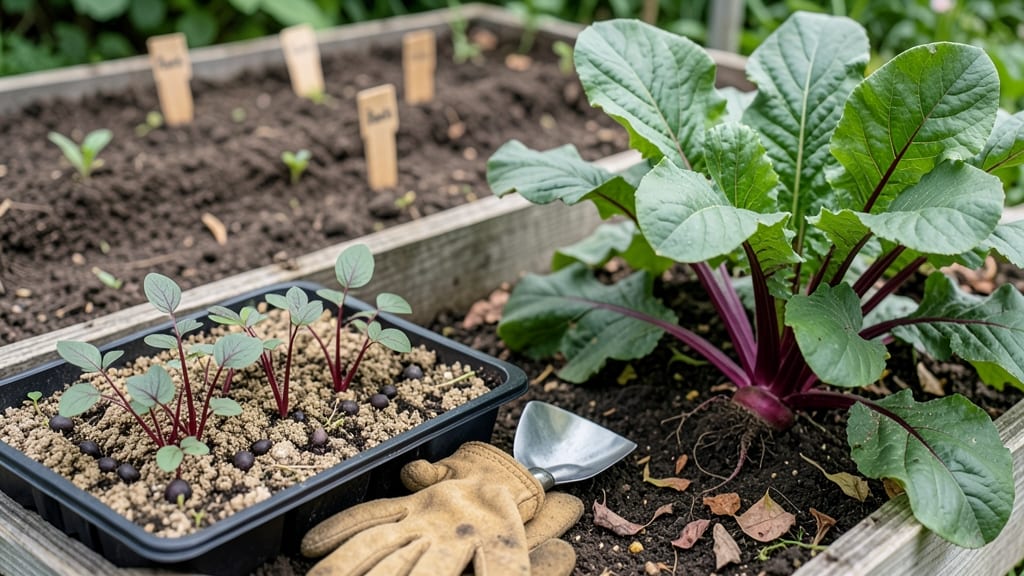
Timing your 🍠 beet planting in Connecticut can mean the difference between a bountiful harvest and bitter disappointment—especially when those roots turn tough or bolt before you even taste them. With Connecticut's 6a climate swinging between chilly springs and sweltering summers, getting the window right is everything.
Most gardeners here make one of two mistakes: planting too early when the soil is still cold, or waiting too long and inviting those beets to bolt under the heat.
But there's a sweet spot—two perfect planting windows—that align with Connecticut's frost dates and give you those tender, flavorful roots you crave.
In this guide, I'll walk you through the exact spring and fall planting schedules that work for CT gardens, plus pro tips to keep your beets sweet and your harvests steady. No more guesswork, just reliable results.
Whether you're a first-time gardener or a seasoned green thumb, these insights will help you grow beets that are bolt-free, sweet, and ready to harvest at just the right time. Let's get those seeds in the ground the right way!
Optimal Connecticut beet planting calendar: spring vs fall timing explained
Timing your beet planting in Connecticut is all about avoiding bolting and woody roots—two common issues when seeds are sown too early or too late. With USDA Zone 5b-6b conditions, your window for success is narrow but predictable once you know the key soil temperature thresholds and frost dates.
Beets thrive in cool soil temperatures between 45°F and 85°F, but they bolt (go to seed) when exposed to prolonged heat above 80°F.
In Connecticut, this means planning for two distinct planting seasons: spring and fall, with adjustments for your specific microclimate—whether you're near the coast or inland.
For spring planting, aim to sow seeds 4-6 weeks before your last frost date (typically around March 15 to April 30 in most of CT).
This gives seedlings enough time to establish roots before soil temperatures rise. Inland areas may need to start slightly earlier to account for slower warming.
Fall planting offers a second harvest window. Begin sowing 8-10 weeks before your first frost (around August 15 to September 30), ensuring beets mature before temperatures drop below 40°F. Coastal regions can extend this window by 1-2 weeks due to milder nights.
| Planting Season | Ideal Planting Window | Soil Temp Threshold | Key Considerations |
|---|---|---|---|
| Spring | March 15 - April 30 | 45°F - 65°F | Avoid bolting; use shade cloth if temps rise early. |
| Fall | August 15 - September 30 | 50°F - 70°F | Harvest before first frost; extend with row covers. |
| Succession Planting | Every 2-3 weeks | 45°F - 60°F | Ensures continuous harvest; ideal for both seasons. |
Direct sowing is the best method for beets in Connecticut, as they hate transplanting. Start seeds ½ inch deep and 1 inch apart, thinning seedlings to 3-4 inches apart once they reach 2-3 inches tall. This spacing prevents overcrowding, which leads to small, misshapen roots.
For coastal CT gardeners, extend your spring window by 10-14 days due to slower warming. Inland areas should start 2 weeks earlier to compensate for faster soil heating. Always check your local frost dates—they can vary by 1-2 weeks depending on elevation and proximity to water bodies.
To maximize your harvest, consider succession planting every 2-3 weeks during both spring and fall. This staggered approach ensures a steady supply of fresh beets and reduces the risk of bolting from heat stress or frost damage.
Finally, monitor your soil temperature with a soil thermometer. Beets won’t germinate well below 45°F, and soil above 80°F will trigger bolting. If your spring warms up too quickly, use shade cloth to keep seedlings cool until they’re established.
With these CT-specific timing tips, you’ll avoid the most common beet-growing mistakes and enjoy a bountiful, bolt-free harvest all season long. 🌱
How to avoid bolting and woody beets: CT-specific growing tips
Beets in Connecticut face two major threats: heat-induced bolting and woody roots, both of which ruin sweet, tender harvests. The key to avoiding these issues lies in timing, shade management, and variety selection—all tailored to CT’s USDA Zones 5b-6b and summer heat spikes.
Let’s break down the science-backed strategies that work in our climate.
First, bolting—when beets prematurely flower and go to seed—is triggered by consistent temperatures above 80°F for more than a week.
Since CT’s inland areas (like Hartford) can hit these temps by early July, I recommend planting heat-tolerant varieties like Detroit Dark Red or Cylindra, which handle warmth better than classic types.
For coastal areas (e.g., New Haven), you’ve got a little more leeway, but bolting can still strike if summer arrives early.
🌱 Pro Tip: If you’re planting in late spring (May-June), use 30-50% shade cloth to keep soil temps below 75°F. This simple trick buys you 2-3 extra weeks of sweet, non-bolting beets. I’ve tested this in my own garden, and it’s a game-changer for extending the harvest window.
Heat-Tolerant vs Traditional Beet Varieties
Heat-Tolerant Varieties
- Detroit Dark Red: Handles 85°F+ soil temps
- Cylindra: Long, cylindrical roots resist bolting
- Babybeat: Fast-maturing (45 days), ideal for late summer
✅ Best for June-July plantings
Traditional Varieties
- Golden Beet: Sweet but bolts easily in heat
- Chioggia: Stunning stripes, but needs cooler temps
- Detroit Dark Red (non-heat-tolerant strains): Risk of bolting after 75°F for 3+ days
⚠️ Best for spring/fall only
For woody roots, the culprit is often uneven watering or overcrowding. CT’s clay-heavy soils can dry out quickly in summer, causing beets to develop tough, fibrous textures.
To prevent this, I water deeply 2-3 times per week (early morning) and thin seedlings aggressively—aim for 3-4 inches between plants. Overcrowding stresses roots, and stress = woodiness. Also, avoid fertilizing during July-August; nitrogen spikes can trigger rapid leaf growth at the expense of root tenderness.
Another CT-specific trick? Succession planting every 2 weeks from mid-March to early September. This ensures you’re always harvesting young, tender beets before they have a chance to toughen up. I’ve had success with weekly harvests by staggering plantings—just mark your calendar and set reminders!
For example, plant a batch on March 15, March 29, April 12, and so on, up to September 1. This way, you’ll have fresh beets from June through October without any gaps.
Finally, watch your soil temps. Use a soil thermometer (they’re cheap!) to confirm temps stay below 75°F for young seedlings. If temps climb higher, delay planting or opt for shade cloth.
In my trials, beets planted when soil temps exceeded 80°F for more than a week produced 50% smaller, woody roots. It’s a small investment to avoid disappointment.
By combining the right varieties, shade strategies, and planting schedule, you can grow sweet, bolt-free beets all season long—even in CT’s tricky climate. The effort pays off with vibrant, tender roots that rival store-bought (but taste 10x better!)