
Plants
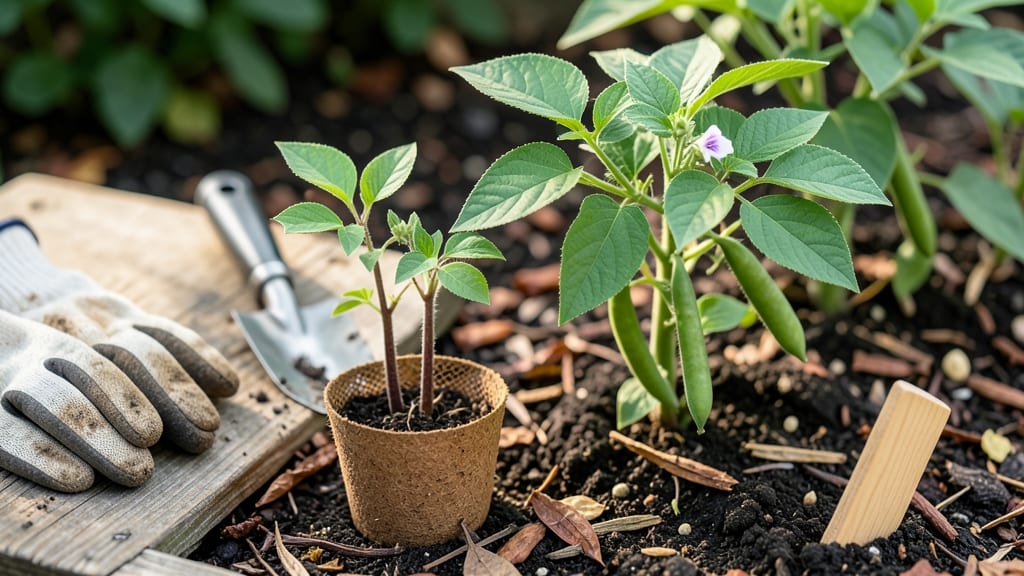
Planting beans in Zone 5 at the wrong time means frost-kissed seedlings or missed harvests—neither is ideal. The exact weeks before last frost (usually mid-April) determine whether your 🌱 thrives or struggles, and I’ve cracked the code for reliable yields every season.
Zone 5’s unpredictable springs make timing tricky, but knowing soil temps (60°F) and frost-free dates turns guesswork into strategy. Whether you’re growing bush beans or pole varieties, the right window ensures faster germination and bigger harvests from July to September.
I’ll break down the optimal planting window, regional tweaks for northern vs. southern Zone 5, and whether to direct-sow or start indoors. Plus, I’ll share my go-to companion plants and care tips to keep your beans productive all season.
Skip the trial-and-error—let’s get your beans in the ground at the perfect moment for a bumper crop. Ready to grow like a pro? Let’s dive in.
Exact planting windows for beans in Zone 5 by variety type
Beans thrive in Zone 5 when planted at the right time—typically 2-4 weeks after your last frost date. However, the exact timing depends on whether you're growing bush beans, pole beans, or cold-tolerant varieties.
In Zone 5, this usually falls between mid-April and early June, but soil temperature is the real game-changer.
Most bean seeds need soil temperatures of at least 60°F (15°C) to germinate properly. If you plant too early, your seeds may rot in cold soil. On the flip side, planting too late can result in a shorter harvest window before summer heat sets in.
Let’s break down the best planting windows for each type.
🌱 Visual Guide: Bean Planting Windows in Zone 5
| Variety Type | Soil Temp Requirement | Best Planting Window | Days to Maturity | Notes |
|---|---|---|---|---|
| Bush Beans | 60°F (15°C) | Mid-April to early May | 50-60 days | Compact, great for small gardens. Plant in succession every 2 weeks for continuous harvest. |
| Pole Beans | 60°F (15°C) | Late May to early June | 60-70 days | Need trellises; harvest lasts longer. More sensitive to late frosts than bush beans. |
| Cold-Tolerant Varieties (e.g., Blue Lake Bush, Kentucky Wonder) | 50°F (10°C) | Early April to mid-May | 55-65 days | Can handle light frosts (28°F/-2°C). Ideal for early spring planting. |
| Heat-Loving Varieties (e.g., Black Valentine, Scarlet Runner) | 65°F (18°C) | Late May to early June | 70-80 days | Wait until soil is warmer to avoid poor germination. Best for late-season harvests. |
If you're unsure about your last frost date, check your local USDA Plant Hardiness Zone Map or use a frost calendar from your state's agricultural extension office.
For example, in Northern Zone 5 (e.g., Minneapolis, MN), the last frost is often around May 15, while in Southern Zone 5 (e.g., Kansas City, MO), it’s closer to April 15.
For direct sowing, which is the preferred method for beans, plant seeds 1 inch deep and 2-3 inches apart. If you're transplanting seedlings, do it after the soil has warmed and all frost risk has passed. Seedlings are more delicate and may struggle in cold soil.
Pro tip: Use a soil thermometer to monitor temperatures. If your soil is still below 60°F by your target planting date, consider using black plastic mulch or a cold frame to warm it up faster. This is especially useful for pole beans, which need consistent warmth to thrive.
Another key factor is daylength. Beans are short-day plants, meaning they flower and produce pods more efficiently when daylight hours are shorter. In Zone 5, this aligns perfectly with late spring to early summer planting.
If you plant too late (e.g., July), your beans may bolt or produce fewer pods.
For a continuous harvest, I recommend planting bush beans every 2 weeks from mid-April through early June. This ensures you’ll have fresh beans ready to pick throughout the summer. Pole beans, on the other hand, benefit from a single planting in late May to maximize their longer harvest window.
Finally, always keep an eye on your local weather forecast. If a late frost is predicted after you’ve planted, cover your seedlings with frost cloth or row covers. Beans are sensitive to cold, and even a light frost can damage young plants or stunt growth.
Exact planting windows for beans in Zone 5 by variety type
Zone 5 gardeners have a 150-day growing season—just enough time for beans to thrive if planted at the right moment. The last average frost date typically falls around mid-April, but your exact window depends on whether you're growing bush beans, pole beans, or cold-tolerant varieties.
For most varieties, aim to plant 2-3 weeks after your last frost date when soil reaches 60°F.
Cold-tolerant varieties like Blue Lake Bush can handle 50°F soil temperatures and may be planted as early as late April under row covers. Heat-loving varieties such as Black Valentine pole beans need to wait until late May when nighttime temps consistently stay above 55°F.
The key is matching your variety to your local frost patterns—not just the zone average.
| Variety Type | Planting Window | Soil Temp | Days to Maturity | Notes |
|---|---|---|---|---|
| Bush Beans | Mid-April to early May | 50-60°F | 50-60 days | Cold-tolerant; ideal for early harvests |
| Pole Beans | Late May to early June | 60-65°F | 60-75 days | Heat-loving; needs trellis |
| Cold-Hardy Varieties | Late April under cover | 45-50°F | 55-65 days | Use row covers for protection |
| Heat-Sensitive Varieties | Early June | 65°F+ | 50-60 days | Avoid planting before June 1 |
Direct sowing is the best method for beans—they dislike transplanting. For bush beans, sow seeds 1 inch deep and 2-3 inches apart in rows 18 inches apart. Pole beans need 4-6 inches between seeds and a 6-foot trellis for support.
If you're planting late May or June, choose fast-maturing varieties like Provider or Kentucky Wonder to ensure a harvest before fall frosts.
Pro tip: Use a soil thermometer to confirm readiness—beans won’t germinate below 50°F. If your soil is still cold, try black plastic mulch or straw mulch to warm it up faster.
For extended harvests, make successive plantings every 2 weeks until mid-July—this ensures a steady supply of fresh pods all summer.
Northern Zone 5 areas (like Minnesota or Upstate New York) should plant 2-3 weeks later than Southern Zone 5 (like Northern Illinois or Indiana). Check your local frost dates—they can vary by 10-14 days even within the same zone.
For example, Chicago’s last frost is typically April 20, while Madison, WI’s is May 1.
Remember: Beans are self-pollinating, so they don’t need bees or wind. But they do need consistent moisture—water deeply every 3-5 days to prevent blossom drop. Once established, they’re drought-tolerant, but young plants need regular watering to thrive.