
Plants
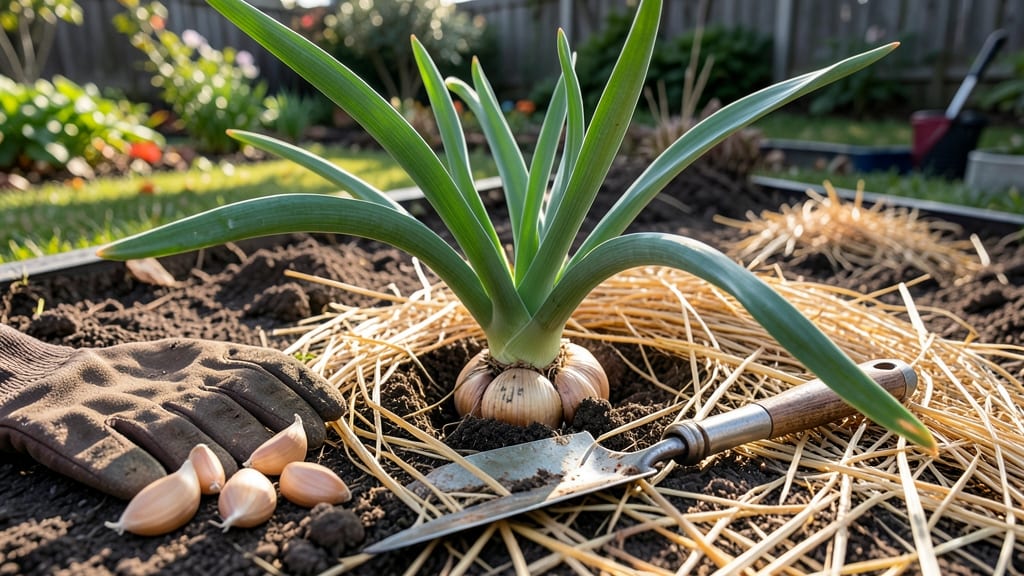
Planting garlic in Upstate New York isn't just about timing—it's about outsmarting your 5b-6b winters for a harvest that rivals any garden. The key? Getting those cloves in the ground 4-6 weeks before the first frost, which for most of Upstate means mid-October to early November.
Why does this matter? Because garlic planted too early rots in cold, wet soil, while planting too late leaves bulbs vulnerable to winter's harsh freeze-thaw cycles. I've learned the hard way that Upstate's microclimates—whether you're in the Adirondacks or the Finger Lakes—demand precision timing to avoid frost damage.
In this guide, I'll break down exactly when to plant for your specific zone, which cold-hardy varieties like 'German White' or 'Chesnok Red' thrive here, and how to prep your soil for maximum success. No more guessing—just proven strategies to grow plump, flavorful bulbs that make your summer dishes shine.
Let's dive into the exact months that work best, plus pro tips to ensure your garlic survives the winter and delivers a harvest you'll be proud of. Your Upstate garden will thank you!
Best planting months for garlic in Upstate New York’s climate zones
Upstate New York’s USDA zones 5b-6b demand precise timing for garlic planting—too early, and cloves rot; too late, and they won’t establish roots before winter. The ideal window is mid-October to early November, when soil temps drop to 40–50°F but haven’t frozen solid.
This gives garlic time to root before the ground locks up.
In Zone 5b (e.g., Adirondacks), aim for October 15–31 to avoid early snow cover. For Zone 6b (e.g., Finger Lakes), stretch until November 10, as milder microclimates allow later planting. Always check your local frost dates—plant 4–6 weeks before the first hard frost (typically mid-November in most regions).
Garlic thrives on cold stratification—a winter chill period—to form bulbs. Upstate NY’s winters provide this naturally, but snow cover acts as insulation, protecting cloves from extreme cold. If you’re in a warmer microclimate (e.g., near lakes), plant earlier to avoid winter thaws that can trigger premature growth.
Missed the fall window? Don’t panic. You can plant garlic in early spring (March–April), but yields will be 30–50% smaller due to shorter daylight. Spring-planted garlic matures faster but lacks the robust flavor of fall-planted bulbs.
| Zone | Ideal Planting Window | Soil Temp | Key Consideration |
|---|---|---|---|
| 5b (Adirondacks, North Country) | October 15–31 | 40–50°F | Early snow risk; prioritize root establishment |
| 6a (Western NY, Southern Tier) | October 20–November 5 | 45–55°F | Milder winters; extend window slightly |
| 6b (Finger Lakes, Hudson Valley) | October 25–November 10 | 50–60°F | Lake-effect moderates temps; watch for thaws |
| All Zones (Spring Backup) | March 1–April 15 | 50–60°F | Smaller bulbs; harvest 2 months earlier |
For maximum bulb size, plant when daylength shortens to 10–12 hours—this triggers garlic’s bulb-forming mechanism. Use a moon phase calendar for extra precision: planting during a waning moon (after full moon) encourages root growth, while a waxing moon boosts top growth. Just don’t stress over it—garlic is forgiving!
Pro tip: Test your soil’s readiness by poking a stick into the ground. If it’s easily penetrable but firm (not muddy), it’s time to plant.
In heavy clay soils (common in Upstate NY), amend with compost or sand to improve drainage—waterlogged cloves rot faster than you can say “garlic scapes.”
Regional microclimates play a huge role. Lake-effect snow belts (e.g., near Lake Erie) may need earlier planting due to sudden cold snaps, while valley areas (e.g., Mohawk Valley) can afford a later window.
Always observe your local weather patterns—if your area had an early frost in 2022, adjust your timeline accordingly.
One common mistake is planting garlic too shallow—especially in sandy soils. Bury cloves 2 inches deep (pointy end up) to protect them from heaving (freeze-thaw cycles that push bulbs to the surface).
In snowy winters, this depth ensures cloves stay insulated under a 4–6 inch snow blanket, which is ideal for winter survival.
Remember: Upstate NY’s garlic success hinges on two critical factors—
Best planting months for garlic in Upstate New York’s climate zones
Upstate New York’s USDA zones 5b-6b demand precision when planting garlic—get it wrong, and you risk rot or frost damage. The ideal window is mid-October to early November, but your exact timing depends on whether you’re in the Adirondacks (cooler) or Finger Lakes (milder).
Plant too early, and cloves rot in cold soil; too late, and bulbs won’t mature before winter.
For most of Upstate, aim to plant 4-6 weeks before the ground freezes. Check your local first frost date—typically mid-October—and count backward. In the Adirondacks (Zone 5b), this might mean planting by late September, while the Finger Lakes (Zone 6a) can wait until early November.
Soil temperature is critical: garlic needs 40-50°F soil to establish roots before winter. Use a soil thermometer to confirm—if temps drop below 32°F, cover beds with straw mulch (3-4 inches) to insulate cloves. This buffer is non-negotiable in Upstate’s unpredictable winters.
| Zone | Ideal Planting Window | Soil Temp Goal | Key Microclimate Tip |
|---|---|---|---|
| Zone 5b (Adirondacks) | Late September–early October | 40–45°F | Plant earlier; colder soils freeze faster. |
| Zone 6a (Finger Lakes) | October–early November | 45–50°F | Wait until after first frost for milder soils. |
| Zone 6b (Southern Tier) | Early–mid November | 50°F+ | Soils stay workable longer; extend window. |
Pro tip: Use paperwhite garlic as a test—plant a few cloves in pots by mid-September. If they sprout by October, your outdoor soil is ready. This trick saves you from guessing and ensures your main crop gets planted at the perfect 40°F soil temp.
After planting, mark your beds with wooden stakes to avoid disturbing them in spring. Garlic needs 6+ hours of sun daily, so choose a south-facing spot. In Upstate’s short growing season, every extra hour of sunlight counts for bulb development.
Remember: Garlic planted in fall is a winter crop. It won’t grow until spring, so patience is key. But with the right timing, you’ll harvest plump bulbs by July or August—just in time for summer cooking. Don’t rush it; Upstate’s climate rewards precision over speed.