
Plants
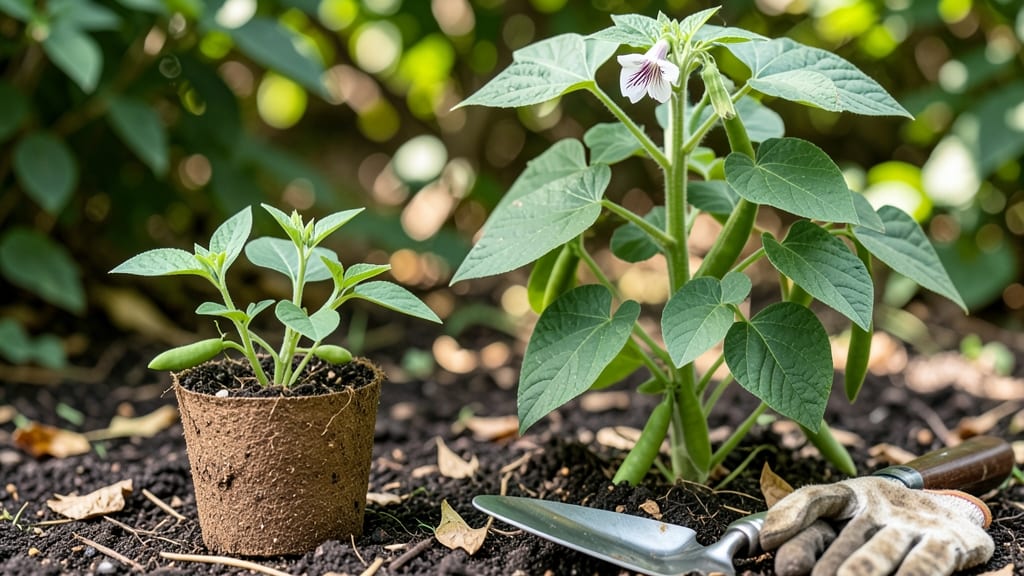
Planting beans in Kansas isn’t just about throwing seeds into the ground—it’s about timing them perfectly to avoid frost while maximizing your harvest. With USDA zones 5b-7a and unpredictable spring weather, getting the window right means the difference between a bountiful crop and wasted effort.
Most gardeners in Kansas know the general rule: wait until after the April 15 last frost date, but the real secret lies in choosing the right variety and planting window.
Whether you're growing bush beans for quick harvests or pole beans for longer seasons, understanding your local microclimate can push your harvest from June to October.
In this guide, I’ll break down the exact planting windows for spring and fall, including how to adjust for your specific Kansas region.
You’ll learn which varieties thrive in your zone, how to extend your growing season, and why some gardeners swear by succession planting to keep beans coming all summer long.
Ready to turn your Kansas garden into a bean-producing powerhouse? Let’s dive into the best times to plant and the simple tricks that make all the difference.
Kansas frost dates and ideal planting windows for beans by region
Kansas’ diverse climate means your bean planting window depends heavily on your USDA zone and local last frost date. Most of the state falls within zones 5b-7a, with western Kansas (zone 5b) experiencing earlier frosts than southeastern Kansas (zone 7a).
For bush beans, aim to plant 1-2 weeks after your area’s average last frost—typically mid-April to early May—while pole beans benefit from a slightly later start to avoid stunted growth.
In northeastern Kansas (zone 6a), where last frosts often linger until April 25, you can safely plant bush beans by May 1.
Meanwhile, southwestern Kansas (zone 5b) sees last frosts around April 10, so pole beans should wait until April 25 to ensure soil warmth (minimum 60°F) supports germination. Heat-tolerant varieties like ‘Black Valentine’ can handle Kansas’ summer heat, but planting too early risks bolting or poor yields.
For fall planting, Kansas gardeners can extend the season by sowing heat-sensitive varieties like ‘Blue Lake’ in early August. This gives pods time to mature before first frosts hit (typically mid-October in most regions).
In southern Kansas (zone 7a), you might even squeeze in a late-September planting for a harvest before frost. However, pole beans planted in fall rarely have time to vine fully, so bush beans are the better choice.
Here’s a quick reference for Kansas’ planting zones and their ideal windows:
| Region | USDA Zone | Last Frost Date | Spring Planting Window | Fall Planting Window |
|---|---|---|---|---|
| Northeast KS | 6a | April 25 | May 1–May 15 | August 1–August 15 |
| Central KS | 6b | April 15 | April 30–May 10 | August 10–August 25 |
| Southwest KS | 5b | April 10 | April 25–May 5 | August 5–August 15 |
| Southeast KS | 7a | April 1 | April 15–April 30 | August 15–September 1 |
When planning your bean schedule, also consider soil temperature. Use a soil thermometer to confirm 60°F+ before planting—cold soil delays germination and weakens seedlings. In western Kansas, where dry winds can cool soil faster, mulch with straw to retain warmth.
For container gardening, black pots absorb heat and can help kickstart growth 1-2 weeks earlier than in-ground plantings.
Another critical factor is day length. Beans respond poorly to long daylight hours, which can trigger bolting (premature flowering). In Kansas, late May plantings risk bolting, so stick to April-May for spring and August for fall.
If you’re experimenting with heirloom varieties like ‘Scarlet Runner’, plant them after May 15 to avoid stunted vines caused by early heat stress.
For succession planting, sow bush beans every 2 weeks from April to June to ensure a continuous harvest. Pole beans, with their longer maturity (60-70 days), benefit from just one planting per season.
In northern Kansas, where growing seasons are shorter, focus on early-maturing varieties like ‘Contender’ (50 days) to avoid fall frost cutting your harvest short.
Pro tip: Use Kansas State University’s frost calendar (available via their Extension Office) for hyper-local advice. Some microclimates, like urban heat islands in Wichita, can have earlier last frosts by 5-7 days compared to rural areas. Adjust your planting dates accordingly to avoid frost damage.
Finally, monitor weather forecasts in the week before
Best bean varieties for Kansas and their specific planting times
Kansas’ variable climate means not all bean varieties thrive equally—some bolt in summer heat while others struggle with early frosts. The key is matching your variety to the planting window that suits your USDA zone (5b-7a).
For example, bush beans like ‘Blue Lake’ mature quickly (50-60 days), making them ideal for early spring or late summer plantings, while pole beans like ‘Kentucky Wonder’ need a longer season (60-80 days) and benefit from warmer soil.
In Kansas, the ideal planting windows are April 15–May 15 for spring and August 1–September 1 for fall.
However, heat-tolerant varieties like ‘Scarlet Runner’ can handle Kansas’ summer heat if planted by June 1, while cooler-season types like ‘Provider’ (a bush bean) should be sown by May 10 to avoid bolting.
Here’s a quick guide to the top-performing varieties and their perfect planting times in Kansas:
| Variety | Type | Days to Maturity | Best Planting Window | Kansas Notes |
|---|---|---|---|---|
| Blue Lake | Bush | 50-60 | April 15–May 15 or August 1–15 | Tolerates cool soil; great for succession planting. |
| Kentucky Wonder | Pole | 60-80 | May 1–June 1 | Needs warm soil; avoid planting before May 1. |
| Scarlet Runner | Climbing | 80-100 | June 1–July 15 | Heat-tolerant; best for southern Kansas (Zone 7a). |
| Provider | Bush | 55-60 | April 15–May 10 | Disease-resistant; avoid late plantings. |
| Tendergreen | Bush | 50-55 | May 1–June 1 or August 15–30 | Compact; ideal for containers or small gardens. |
If you’re in northern Kansas (Zone 5b), stick to early-maturing varieties like ‘Blue Lake’ or ‘Provider’ to avoid late frosts.
Meanwhile, gardeners in southern Kansas (Zone 7a) can push the envelope with heat-loving types like ‘Scarlet Runner’ or ‘Roma II’ (a pole bean) planted as late as July 1.
Pro tip: Always check your soil temperature before planting—beans need at least 60°F soil to germinate. Use a soil thermometer to avoid delays, especially in cooler springs. For extra insurance, soak seeds overnight before planting to jumpstart germination in chilly conditions.
For a continuous harvest, try succession planting every 2 weeks from April to June. This keeps your kitchen stocked with fresh beans from June through September without overwhelming your garden at once.