
Companion Plants
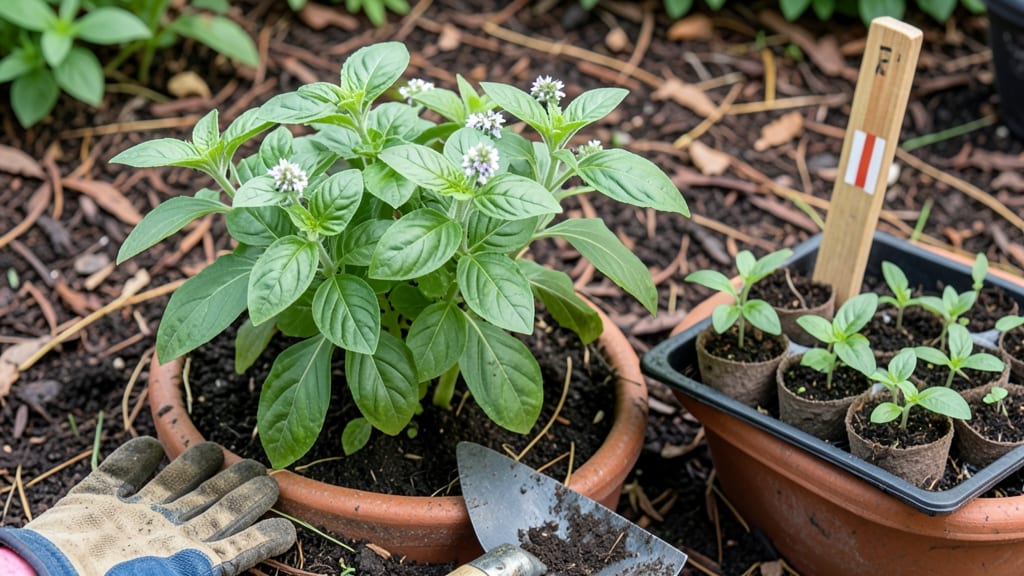
Planting basil in Pennsylvania at the wrong time means watching your 🌿 dreams wither before they even begin. The key to a thriving harvest isn't just soil and sunlight—it's knowing exactly when to put those seeds in the ground so your plants survive frost and flourish until fall.
In zones 5a-7b, timing can vary by 2 weeks from one corner of the state to another, and getting it wrong could cost you months of fresh basil.
Most gardeners in Pennsylvania wait until after the last frost date—typically mid-April to early June—but that's just the starting point. Whether you're planting seeds or transplants, the real magic happens in May and June, when soil temperatures hit that sweet spot of 50°F+.
Urban areas might need to wait a little longer than rural spots, and microclimates near lakes or cities can shift your ideal window by a week or more.
Here's the game-changer: if you plant too early, your basil will bolt or rot before it even gets a chance to grow. Too late, and you'll miss out on that June-October harvest window when your garden is bursting with flavor.
I'll show you exactly when to plant in your specific corner of Pennsylvania—and how to stretch that growing season so you can enjoy fresh basil until the first hard frost.
Let's break down the zone-specific deadlines that'll have your basil thriving all summer long, plus pro tips for extending your harvest well into fall. Ready to turn your garden into a basil powerhouse?
Pennsylvania’s USDA zones 5-7: exact basil planting deadlines by month
Pennsylvania’s USDA zones 5-7 create a 100-day window for growing basil—starting after the last frost date and ending before the first hard freeze. In Zone 5a (northwest PA), your window is tight: May 15 to September 15.
In Zone 7b (southeast PA), you’ve got until October 15 to harvest. Timing this right means the difference between a bountiful harvest and a wilted disappointment.
For seed-starting indoors, begin 4-6 weeks before your last frost date. That means late March to early April in most of PA. Transplant seedlings after May 1 in Zone 5 and after April 15 in Zone 7.
The key is soil temperature: Wait until it hits at least 50°F—a soil thermometer is your best friend here.
Urban gardeners in Philadelphia or Pittsburgh face slightly different risks. Cities warm up faster in spring but can have microclimates with sudden cold snaps. Rural areas in central PA often have earlier last frosts (March 15) but longer growing seasons due to cooler summers.
Always check your local frost calendar—the Penn State Extension has free tools for this.
Here’s the golden rule: Plant basil after the last frost date but before July 1 if you want a full harvest. After that, your plants will bolt (flower) quickly due to long daylight hours and rising temperatures.
This is especially true for Genovese basil, the classic Italian variety, which hates heat stress.
🌱
| Zone | Last Frost Date | Ideal Planting Window | First Frost Warning | Frost-Free Days |
|---|---|---|---|---|
| 5a (NW PA) | May 1 | May 15 - June 15 | September 15 | 165 days |
| 6a (Central PA) | April 15 | April 30 - June 30 | October 1 | 180 days |
| 7a (SE PA) | March 15 | April 1 - July 1 | October 15 | 200 days |
| 7b (Southeast PA) | March 1 | March 15 - July 15 | October 30 | 220 days |
If you’re starting seeds outdoors, do it directly in the garden after your last frost date—basil hates transplant shock. For transplants from nurseries, buy hardy seedlings in May and get them in the ground as soon as possible.
Pro tip: Soak the roots before planting to reduce stress. Basil grows fastest in warm soil, so black plastic mulch can give your plants a 2-week head start by warming the soil.
For container gardening, your timing is more flexible. Pots warm up faster, so you can plant 2 weeks earlier than in-ground basil. Just ensure your containers have drainage holes and use lightweight potting mix.
Place them in a sunny spot where they won’t get chilled by evening breezes, like near a south-facing wall.
Watch for false springs—those unseasonably warm days in April that trick you into planting early. A late frost can kill tender basil seedlings overnight. Use frost cloth if you’re pushing the envelope in Zone 5, but don’t rely on it long-term.
Basil’s ideal temperature range is 70-80°F—anything below 50°F slows growth, and below 32°F kills it.
Plan your harvest schedule around these deadlines. If you want fresh basil for pesto in September, start seeds in early May and harvest before October 1.
For longer harvests, try succession planting: Sow a new batch every 2 weeks from May to July. This ensures you always have fresh leaves without bolting.
🌿
Pennsylvania’s USDA zones 5-7: exact basil planting deadlines by month
Pennsylvania’s USDA zones 5-7 create a 30-day window for planting basil—miss it, and you risk stunted growth or frost damage. The key is planting after your last frost date, which varies dramatically across the state, from March 15 in southeastern PA to May 1 in the northwest.
For most gardeners, this means mid-April to early June is your golden window.
Basil is a warm-season herb that won’t tolerate temperatures below 50°F. Planting too early—like in March—can shock seedlings, while waiting until July limits your harvest before first frost (mid-October).
Aim for May 15 to June 1 in most of PA for optimal growth, with transplants having a slight edge over seeds due to their faster maturity.
| Zone/Region | Last Frost Date | Ideal Planting Window | First Frost Risk |
|---|---|---|---|
| Zone 5a (NW PA) | May 1 | May 15–June 10 | October 1 |
| Zone 6a (Central PA) | April 15 | April 30–May 20 | October 15 |
| Zone 7a (SE PA) | March 15 | March 30–April 15 | November 1 |
| Urban Microclimates | 1–2 weeks earlier | Extend window by 7–14 days | 1 week later |
Urban gardeners in concrete-heavy areas (like Philadelphia) often enjoy earlier last frosts due to heat retention. Check your local microclimate by monitoring soil temperatures—basil thrives when soil hits 50°F+ consistently. Use a soil thermometer to confirm readiness, especially if your area has unpredictable spring weather.
For seed-starting indoors, begin 4–6 weeks before your last frost date. This gives seedlings a head start, but beware of leggy seedlings from insufficient light. Transplant outdoor-hardened seedlings after the last frost, spacing them 12–18 inches apart in well-draining soil with 6+ hours of sunlight.
If you’re in Zone 5b or colder, opt for fast-maturing varieties like Genovese or Thai basil, which can reach harvest size in 45–50 days.
In Zone 7a, you might squeeze in two plantings: one in early April and another in early July for a fall harvest before frost.
Pro tip: Use row covers or cold frames to extend your season—basil can tolerate light frosts down to 28°F if protected. Just remove covers during the day to prevent overheating. 🌱