Plants
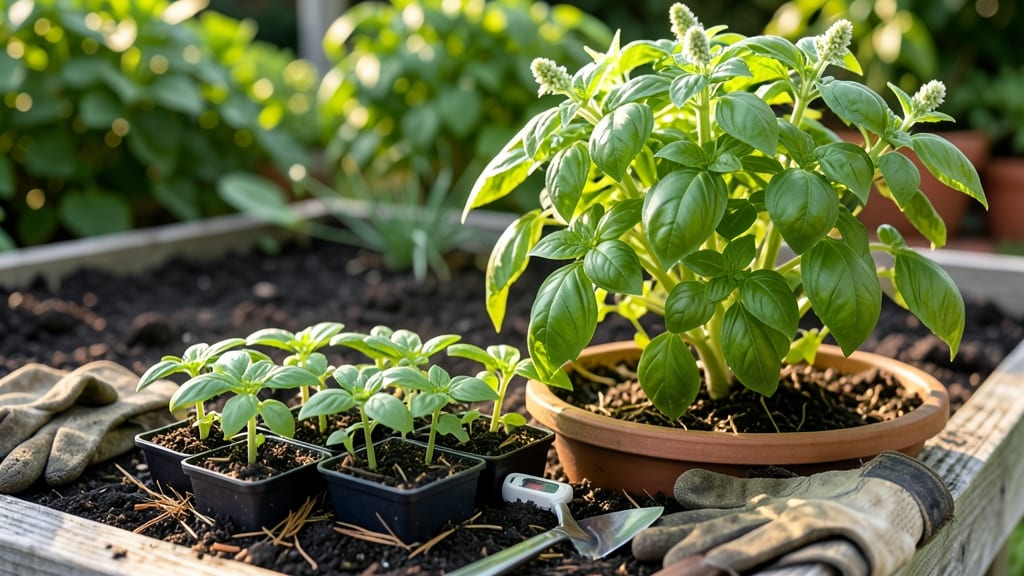
To plant basil in Colorado without risking frost damage or stunted growth, timing is everything—get it wrong, and your 🌿 basil could bolt or wilt before you even taste its first harvest.
Colorado’s 5-7 USDA zones mean frost-free dates vary wildly from the Front Range to the Western Slope, making a one-size-fits-all approach a recipe for failure. Whether you’re in Denver or Durango, knowing when to start seeds indoors or transplant outdoors is the key to a thriving herb garden.
I’ll break down the exact planting windows for your elevation zone, plus pro tips for extending the season and avoiding common mistakes that ruin basil in Colorado’s unpredictable climate. Ready to grow basil that lasts from June through September?
From soil prep to succession planting, you’ll learn how to beat Colorado’s short growing season and keep your basil productive all summer long—no guesswork required.
Colorado’s frost-free dates by elevation Zone for basil planting
Colorado’s diverse elevations—from 5,000 feet in Denver to 10,000 feet in mountain towns—create wildly different planting windows for basil.
The last spring frost can arrive as early as March in lower elevations or as late as June in high-altitude areas, while the first fall frost hits earlier in the mountains than on the Front Range. Understanding these variations ensures your basil thrives from June through September.
Basil is a warm-season herb that cannot tolerate frost. Even a light freeze will kill seedlings, so timing your planting after the average last frost date is critical. In Colorado, this means waiting until mid-April in Denver but possibly late May in Aspen.
Below, I’ve broken down the frost-free windows by elevation zone to help you plan.
Pro Tip: Use a frost calendar from your local Cooperative Extension office (like CSU Extension) for hyper-localized data. Urban areas like Colorado Springs often have earlier frost-free dates than rural areas due to urban heat islands.
| Elevation Zone | Avg. Last Spring Frost | Avg. First Fall Frost | Safe Planting Window | Harvest Window |
|---|---|---|---|---|
| Front Range (Denver, Boulder, Fort Collins) | April 15–May 1 | October 1–15 | May 10–June 1 | June 1–September 30 |
| Western Slope (Grand Junction, Colorado Springs) | April 1–April 15 | September 15–October 1 | April 20–May 15 | May 1–October 10 |
| High Altitude (Aspen, Telluride, Durango) | May 15–June 1 | August 30–September 15 | June 10–July 1 | July 1–September 10 |
| San Luis Valley (Alamosa, Monte Vista) | May 1–May 15 | September 1–September 15 | May 20–June 1 | June 1–September 5 |
If you’re in a transition zone (like Pueblo or Salida), err on the side of caution. Plant basil after May 1 to avoid late frosts that can still occur in these areas.
For container gardening, you can extend your season by moving pots indoors or to a sunroom before the first frost.
For succession planting, sow new seeds every 2–3 weeks from May through July. This ensures a continuous harvest until frost hits. In high-altitude areas, focus on fast-maturing varieties like 'Genovese' or 'Spicy Globe', which can go from seed to harvest in 45–50 days.
Always check the soil temperature before planting—basil needs soil that’s at least 50°F. Use a soil thermometer to confirm. If temperatures are still cool, consider starting seeds indoors
Colorado’s frost-free dates by elevation Zone for basil planting
Colorado’s diverse elevation zones create dramatic differences in frost-free dates, making timing critical for basil success. The Front Range (Denver, Boulder) typically sees its last spring frost around April 15–May 1, while high-altitude areas like Steamboat Springs may wait until May 15–June 1.
Always check your local USDA Zone (5–7) for precise guidance.
For lowland areas (e.g., Pueblo or Colorado Springs), you can plant basil outdoors as early as mid-April, but high-altitude gardens should delay until late May.
Urban heat islands in cities like Denver may allow slightly earlier planting, but monitor nighttime temperatures—basil wilts at 50°F and dies below 32°F.
First fall frost dates also vary widely: September 15 in Grand Junction (Zone 7) vs. October 1 in Fort Collins (Zone 5). Plan to harvest basil before frost or transition to container gardening for indoor overwintering in colder zones.
| Elevation Zone | Last Spring Frost | First Fall Frost | Optimal Planting Window |
|---|---|---|---|
| Front Range (Denver/Boulder) | April 15–May 1 | September 15–October 1 | May 1–June 15 |
| Western Slope (Grand Junction) | March 15–April 1 | September 1–September 15 | April 15–May 15 |
| San Luis Valley (Alamosa) | May 1–May 15 | September 1–September 15 | June 1–July 1 |
Use Colorado State University’s frost date maps for hyper-local accuracy. For high-altitude gardens (above 7,000 ft), extend your season by starting seeds indoors in March and transplanting after May 15. Always harden off seedlings gradually to avoid shock from temperature swings common in Colorado’s mountain valleys.
If you’re in Zone 5 (northern Colorado), aim to plant basil by June 1 to ensure a full harvest before frost. In Zone 7 (southwest Colorado), you can push planting to late July** for a fall crop.
For container gardeners, move pots indoors before first frost—basil thrives on a sunny windowsill with 12+ hours of light.
Pro tip: Mark your calendar for Mother’s Day weekend (May 12–14), a traditional last frost benchmark in many Colorado gardens. This gives you a 120-day growing window for basil, perfect for pesto production or culinary herbs.
Just remember: basil hates cold feet, so always check soil temperature with a thermometer—it should stay above 50°F for 7+ days before planting.