
Plants
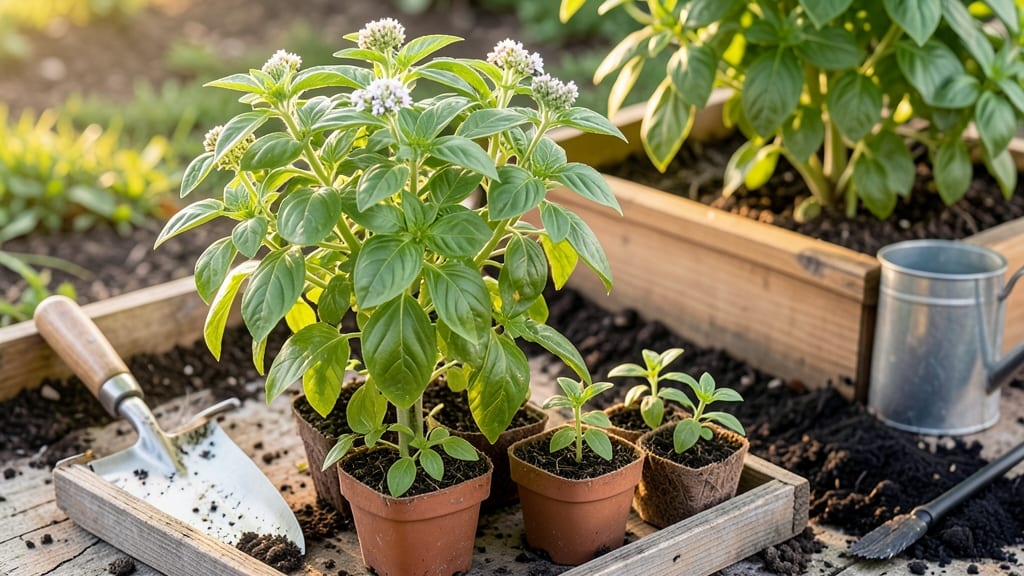
Planting basil in North Carolina at the wrong time can mean the difference between a thriving 🌿 herb garden and a sad, frost-nipped disappointment. The key to success?
Timing it perfectly after your last frost—whether you're in the mountains, Piedmont, or coastal plains—so those tender seedlings get the warm start they need.
I’ve grown basil for years in NC’s 6a-8b zones, and the two-week window between April 15 and May 15 is your golden opportunity for spring planting. But here’s the catch: soil temperature matters just as much as calendar dates.
Wait until the ground hits at least 50°F—cold soil can stunt growth, even if the air feels warm.
Don’t overlook fall planting either! September 1 to September 30 gives you a second chance for a late harvest, especially in warmer zones like the coast. Whether you’re sowing seeds directly or transplanting seedlings, knowing your microclimate—urban heat islands vs. rural shade—can shave weeks off your wait time.
Ready to avoid the most common NC basil mistakes? I’ll walk you through exact planting dates by heat zone, soil prep tips, and even container hacks for small spaces. Let’s get those basil plants off to the fastest, most flavorful start possible.
North Carolina basil planting dates by heat zone (avoid frost & maximize growth)
North Carolina spans USDA zones 5A through 8B, meaning frost dates vary dramatically from the mountains to the coast. For basil—a warm-season herb—timing is everything. Plant too soon, and frost will kill tender seedlings; too late, and you’ll miss peak flavor.
The key is waiting until soil temperatures hit 50°F+ and all frost risk has passed.
Most NC gardeners succeed by planting basil between mid-April and mid-May for spring harvests or early September for fall crops. However, your exact window depends on your heat zone. For example, Asheville (zone 7A) can plant weeks earlier than Wilmington (zone 8A), where coastal breezes delay spring warming.
To simplify, I’ve broken down planting dates by NC region using NC State Extension’s frost data. Check your zone first—this ensures you avoid frost while maximizing basil’s 60-90 day growth cycle before summer heat stresses the plant.
🌱
| USDA Zone | NC Regions | Last Frost Date | Ideal Planting Window | Soil Temp Threshold | Fall Planting Window |
|---|---|---|---|---|---|
| 5A-6A | Mountains (Boone, Asheville) | March 1 - April 1 | April 15 - May 1 | 50°F+ (use row covers) | September 1 - September 15 |
| 6B-7A | Piedmont (Raleigh, Greensboro) | March 15 - April 1 | April 1 - April 15 | 50°F+ (standard timing) | September 15 - September 30 |
| 7B-8A | Coastal (Wilmington, Fayetteville) | March 15 - April 15 | April 15 - May 1 | 55°F+ (warmer soils) | September 30 - October 15 |
| 8B | Southern Coast (Morehead City) | April 1 - April 15 | April 30 - May 15 | 55°F+ (longer growing season) | October 1 - October 15 |
🌡️ Pro Tip: Use a soil thermometer to confirm temps before planting. Basil roots struggle in cold soil!
For zone 5A gardeners (e.g., Waynesville), consider starting basil indoors under grow lights in early March and transplanting after the last frost.
In warmer zones like 8B (Morehead City), you can even plant basil as early as late March if you’re using black plastic mulch to warm the soil faster.
Another critical factor is microclimates. Urban areas like Charlotte (zone 7B) may experience heat islands, allowing earlier planting, while rural Piedmont farms might see later frosts. Always check NC State’s frost calendar or use the Almanac’s First Frost Tool for your exact location.
If you’re unsure about your zone, plant basil in containers—they’re portable! Move pots indoors or under a cold frame if frost threatens. This flexibility lets you extend the season by 2-3 weeks without risking frost damage.
For fall planting, aim to sow seeds 8-10 weeks before your first frost. In zone 7A, that’s September 1-15; in zone 8B, you can push it to October 1. Fall basil often tastes sweeter because cooler nights boost essential oils in the leaves.
💧
How to extend basil’s growing season in NC: staggered planting & container hacks
North Carolina’s short growing season and humid summers can challenge basil lovers, but with smart strategies, you can enjoy fresh basil from early spring to late fall. The key? Staggered planting and container flexibility to adapt to NC’s microclimates—whether you’re in the mountains, Piedmont, or coastal plains.
Let’s break down how to maximize your basil harvest all season long.
One of the simplest ways to extend your basil’s life is through succession planting. Instead of planting all your seeds at once, space them out every 2-3 weeks from mid-April to early June.
This ensures a continuous supply of fresh leaves, even as older plants bolt in the heat. For example, plant your first batch around April 15, then follow up with May 1 and May 15 for a three-phase harvest.
For urban gardeners or those with limited space, container growing is a game-changer. Basil thrives in pots, and you can move them to optimal sunlight or protect them from frost with ease. Use containers with drainage holes and fill them with a light, well-draining potting mix.
Place them near a south-facing window or on a balcony that gets 6-8 hours of sun. Containers also allow you to harvest leaves without disturbing roots, keeping your plants productive longer.
🌱Pro Tip: If you’re planting in containers or raised beds, use black plastic mulch to warm the soil faster in spring. This can shave off 1-2 weeks from your planting timeline, giving your basil a head start in cooler NC zones like 6A or 7A.
Direct Sowing vs. Transplanting: Which Works Better in NC?
Direct Sowing
- Pros: Hardier plants, better adapted to NC soil
- Pros: No transplant shock, faster growth
- Cons: Slower to establish if planted too early
- Cons: Risk of frost damage if seeds germinate late
Transplanting
- Pros: Earlier harvest (start indoors in March)
- Pros: More control over growing conditions
- Cons: Transplant shock can delay growth
- Cons: Higher cost for seedlings
🌿 Best for NC: Start with transplants for early harvests, then direct sow for succession planting.
Another trick to beat NC’s hot summers is companion planting. Basil pairs well with tomatoes, peppers, and oregano, which can repel pests like whiteflies and aphids. Avoid planting near rue or sage, as they can stunt basil’s growth.
If you’re growing basil in containers, tuck a marigold or nasturtium nearby to deter pests naturally.
For a second harvest in fall, plant basil again in early September. Choose cold-hardy varieties like ‘Spicy Globe’ or ‘Genovese’, which can tolerate light frosts better than others.
Use a cold frame or row cover to extend the season by 3-4 weeks in zones 7A and below. Just be sure to harvest leaves before the first frost, as damaged foliage loses flavor.
💧Final Hack: If you’re pushing the limits with fall basil, reduce watering slightly in late September to harden off plants. This helps them resist cold better and may even survive brief frosts if protected.
Just remember—basil is an annual in NC, so don’t expect it to return next year without overwintering indoors.