
Plants
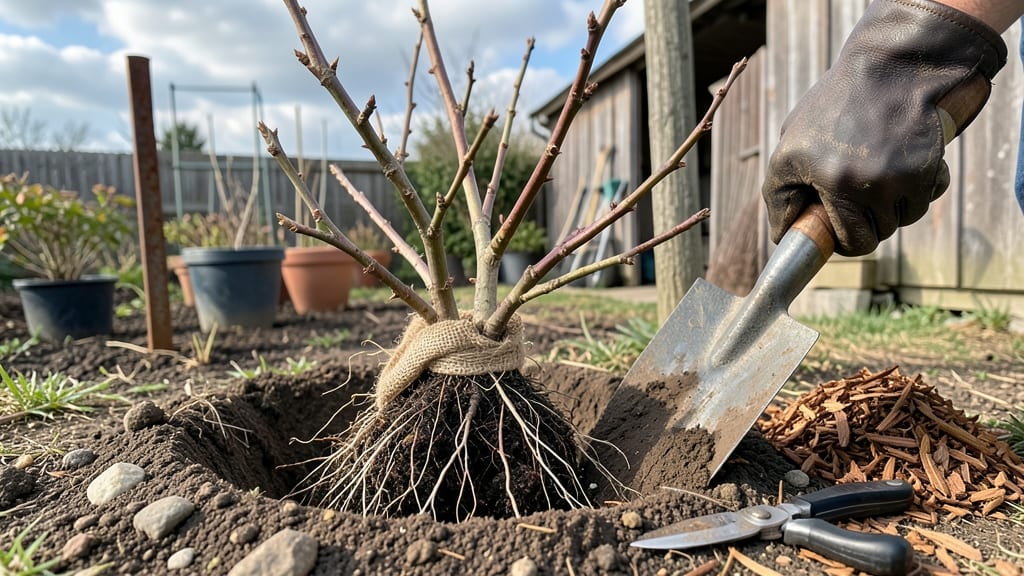
Planting bare root roses in Zone 6 at the wrong time can turn your dream garden into a frost-killed disappointment. The key isn't just checking the calendar—it's understanding when soil warms to 40-50°F and how last frost dates affect root growth before summer heat arrives.
Most gardeners in Zone 6a/6b assume early spring is the only option, but fall planting offers surprising advantages when done right. I’ve learned the hard way that timing isn’t just about avoiding frost—it’s about giving those delicate roots 4-6 weeks to establish before winter dormancy or summer stress kicks in.
This guide cuts through the guesswork with exact triggers: soil temperature checks, bud swelling stages, and how to adjust for your specific last frost date (typically around April 15 in Zone 6).
Whether you’re a first-time planter or a seasoned rosarian, these insights will help your 🌹 thrive from day one.
Ready to plant with confidence? Let’s dive into the critical signs your soil is ready—and what to do if it’s not. Your roses will thank you with stronger stems, bigger blooms, and years of trouble-free growth.
Zone 6 bare root rose planting timeline: exact soil temp & frost triggers
Timing your bare root rose planting in Zone 6 is all about hitting the soil temperature sweet spot—between 40°F and 50°F. This window ensures roots establish before summer heat or winter frost hits.
In Zone 6, that typically means early spring (March-April) or early fall (September-October), but exact dates vary by your last frost date and microclimate.
For most of Zone 6, aim to plant 4-6 weeks before your average last frost date (usually around April 15). This gives roots time to grow before hot weather stresses them.
In fall, plant 4-6 weeks after your first frost (around October 15) to allow roots to harden before winter. Miss these windows, and you risk stunted growth or frost damage.
Here’s the golden rule: Never plant when soil is frozen or waterlogged. A simple soil thermometer ($10 at garden centers) takes the guesswork out of timing.
Stick it 4 inches deep—if it reads below 40°F, wait a week or two. If it’s above 50°F, you’re cutting it close for spring planting.
Zone 6’s USDA subzones (6a/6b) also matter. In colder Zone 6a (average last frost: April 22), push planting to late April or early September.
Warmer Zone 6b (last frost: April 15) can start as early as March 15. Check your local Cooperative Extension Service for precise frost data.
Pro tip: Soak bare roots for 4-12 hours before planting to jumpstart hydration. Then, plant when soil is workable but not soggy. Think of it like goldilocks gardening—not too early, not too late, but just right.
Zone 6 Bare Root Rose Planting Timeline
| Season | Ideal Planting Window | Soil Temp | Key Trigger | Action |
|---|---|---|---|---|
| Spring | March 15–April 15 | 40–50°F | 4–6 weeks before last frost | Soak roots, prune canes, plant in full sun |
| Fall | September 15–October 15 | 40–50°F | 4–6 weeks after first frost | Mulch heavily, water deeply, avoid late blooms |
| ⚠️ Avoid | Late April–June | Above 60°F | Summer heat stress | Wait for fall or next spring |
| ⚠️ Avoid | November–February | Below 40°F | Frost damage risk | Dormant roots won’t establish |
🌱 Pro Tip: Use a soil thermometer to confirm readiness—don’t guess!
If you’re planting in Zone 6b (warmer microclimates like northern Virginia or southern Wisconsin), you can start as early as mid-February if soil temps hit 40°F. But in Zone 6a (e.g., northern New York or Colorado), wait until mid-April to avoid late frosts.
Always check your local frost maps—they’re more accurate than general Zone 6 averages.
One common mistake? Planting too early when soil is still cold. Roots won’t establish, and your rose may wilt in summer heat. Conversely, planting too late (e.g., June or November) leaves roots vulnerable to heat stress or winter kill. The 40–5
Zone 6 bare root rose planting timeline: exact soil temp & frost triggers
Timing your bare root rose planting in Zone 6 hinges on two critical factors: soil temperature and last frost dates. Unlike container-grown roses, bare roots need workable soil (around 40-50°F) to encourage rapid root establishment. Planting too early risks frost damage, while waiting too long delays growth.
In Zone 6a/6b, aim for 4-6 weeks before your last frost date (typically mid-April). This gives roots time to establish before summer heat arrives. For example, if your last frost is April 15, plant between March 15 and April 1 for ideal results.
🌹 PRO TIP: Use a soil thermometer to confirm temperatures. Bare roots thrive when soil stays consistently above 45°F—any colder, and roots may struggle to absorb moisture.
| Season | Ideal Planting Window | Soil Temp Requirement | Key Trigger |
|---|---|---|---|
| Spring | March 15 – April 15 | 40–50°F (workable) | Last frost date (4–6 weeks prior) |
| Fall | September 15 – October 15 | 50–60°F (warming) | First frost date (6+ weeks after) |
✅ Zone 6 planting windows aligned with frost triggers
For fall planting, wait until soil warms to 50-60°F—typically late September—giving roots time to harden before winter. Planting too early in fall risks root rot from lingering warmth, while late fall planting may leave roses vulnerable to winter desiccation.
Always check your local USDA Zone 6a/6b microclimate. Urban areas may experience 2-3°F warmer soil than rural zones, delaying frost dates. Adjust your timeline by 1-2 weeks if needed.
After planting, mulch heavily (3–4 inches) to insulate roots. In spring, this mulch will break down, adding organic matter—just don’t let it touch the rose canes directly to prevent rot.