
Plants
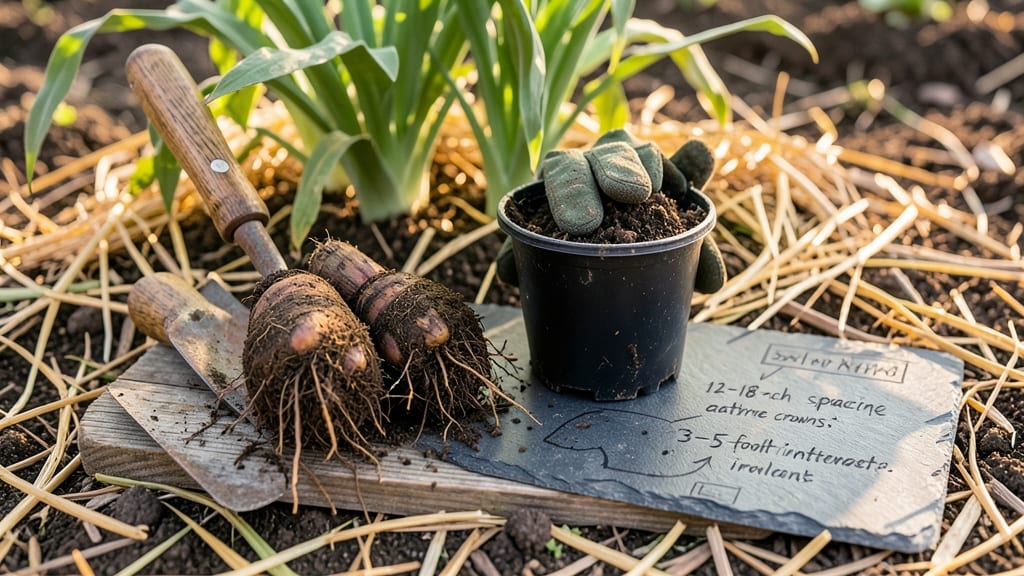
To plant asparagus in Zone 8 and avoid the heartbreak of frost-damaged crowns or missed harvest windows, timing is everything—and it’s not as simple as picking a date off the calendar.
The late winter to early spring window (February through March) gives your 🌱 asparagus the perfect head start, but Zone 8’s unpredictable microclimates mean you’ll need a few extra tricks up your sleeve.
Most gardeners in Zone 8 make the mistake of waiting too long, only to watch their spears bolt before they can be harvested. But the real secret lies in soil temperature: aim for 40–50°F before planting, and you’ll set your asparagus up for success.
This isn’t just about the calendar—it’s about reading your garden’s cues and adjusting for those late frosts that can sneak in even in milder zones.
What if you’re eager to get started but worried about missing the window? I’ll show you how to prep your soil, choose the right varieties for Zone 8’s climate, and even extend your harvest season with simple cold-hardiness hacks.
By the end, you’ll know exactly when—and how—to plant for spears that come back year after year.
The best part? Patience pays off: with the right timing, your asparagus could be ready for harvest in just 2–3 years. Let’s get those crowns in the ground the smart way.
Optimal planting windows for asparagus in Zone 8 by month and soil temperature
Timing your asparagus planting in Zone 8 is all about balancing soil temperatures and avoiding late frosts. The ideal window spans late winter to early spring, specifically February through March, when soil warms to 40-50°F.
This timing ensures roots establish before summer heat arrives, setting the stage for a year-round harvest in years 2-3.
Zone 8’s mild winters and long growing season let you plant asparagus crowns in two key windows: fall (September–October) or early spring (February–March). Fall planting gives roots a head start, while spring planting aligns with natural growth cycles.
Both methods work, but spring planting is more forgiving for beginners.
Here’s the critical detail: soil temperature must be consistently above 40°F for roots to sprout. Use a soil thermometer to check—if temps dip below 35°F, delay planting until conditions stabilize. In Zone 8, this usually means waiting until mid-February or later.
| Planting Window | Soil Temp Threshold | Root Establishment | First Harvest Window |
|---|---|---|---|
| Fall (Sept–Oct) | 50–60°F | 6–8 weeks before frost | Year 3 (April–May) |
| Spring (Feb–Mar) | 40–50°F | 4–6 weeks post-planting | Year 3 (April–June) |
| Late Spring (Apr–May) | 55°F+ | Slower growth; delayed harvest | Year 4 (May–June) |
🌱 Pro Tip: Test soil temp at 6-inch depth for accuracy.
Zone 8’s mild winters mean you can push fall planting later than in colder zones, but don’t wait past mid-October. Roots need time to harden off before first frost (typically mid-November). If you miss fall, February is your next best bet—just ensure soil isn’t soggy from winter rains.
Adjust for microclimates in Zone 8. Coastal areas stay warmer longer, while inland spots may need to wait until late February. If your garden sits in a frost pocket, opt for spring planting to avoid root damage. Always plant crowns, not seeds, for faster establishment.
After planting, mulch heavily (3–4 inches of straw) to insulate roots during winter temperature swings. This protects young plants from freeze-thaw cycles, which can heave crowns out of the soil. In Zone 8, this step is non-negotiable for first-year survival.
Patience is key—asparagus won’t harvest until year 3, but proper planting timing ensures you’re not fighting the climate. By aligning with soil temps and frost dates, you’ll maximize your harvest window (typically April–June) and enjoy spears for decades.
For Zone 8 gardeners, the earliest harvests come from fall-planted crowns, but spring planting is more reliable for beginners. Either way, soil temperature is your best friend—always plant when it’s consistently above 40°F.
Cold hardiness hacks: how to extend asparagus growth in Zone 8’s mild winters
Zone 8’s mild winters might seem like a dream for asparagus growers, but those unpredictable cold snaps (even dipping into the 20s°F) can still damage tender asparagus crowns if you’re not prepared.
The key is to treat your asparagus like a layered blanket—protecting it from the top down while still letting it thrive during warmer spells. I’ve learned the hard way that skipping this step means risking stunted growth or even losing your plants entirely.
Start with mulching—not just any mulch, but a 4–6 inch layer of straw or shredded leaves applied right after planting. This acts as insulation, keeping soil temps stable and protecting crowns from freeze-thaw cycles.
I swear by straw because it breaks down slowly and won’t compact like wood chips. Plus, it’s cheap and easy to find at local feed stores.
For extra protection during late winter cold snaps, use row covers or frost blankets. These lightweight fabrics trap heat without smothering your plants. I’ve had success with floating row covers (the kind you can drape over hoops) during sudden drops below 28°F.
Just make sure to secure the edges with bricks or soil to prevent wind damage. Remove them on warm days to avoid overheating.
Apply 4–6 inches of straw after planting. Replenish annually in late fall.
Use a soil thermometer to track temps. Aim to keep soil above 32°F.
Cut back fern fronds to 2–3 inches before first frost. This reduces winter dieback.
Plant near fences or buildings to create a microclimate that’s 5–10°F warmer.
Water only when soil is bone-dry (usually monthly in winter).
Zone 8’s extended growing season is a double-edged sword. On one hand, you can push your harvest later into the year. On the other, those unseasonable heatwaves in late winter can trick asparagus into sprouting too early, only to be nipped by a late frost.
To avoid this, I’ve started planting in raised beds—they warm up faster in spring and drain better, giving me more control over the growing conditions.
For a year-round harvest, focus on successive planting. In Zone 8, you can actually plant a second batch in late summer (August–September) for a fall harvest. These later plantings won’t produce as heavily, but they’ll give you spears when early-season crops are winding down.
Just be prepared to protect them with row covers if frost threatens.
Remember, asparagus is a perennial, meaning it’ll come back stronger each year if you care for it right. With these hacks, you’ll turn Zone 8’s quirks into advantages—longer harvests, fewer losses, and happier plants.
Now go forth and let your asparagus thrive, even when Mother Nature throws a curveball.