
Plants
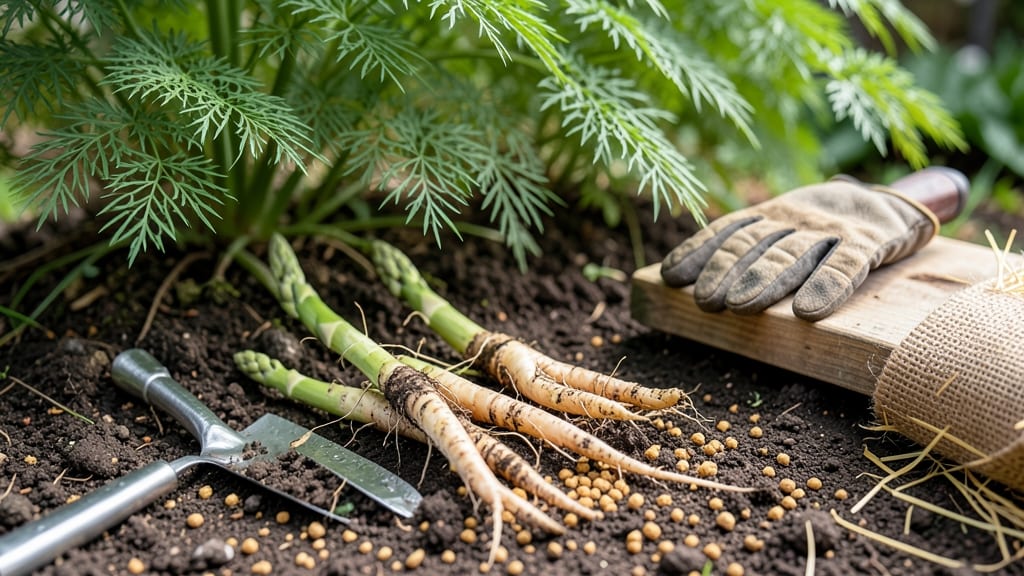
Timing your asparagus planting in Zone 6 can make or break your 🌱 asparagus harvest—get it wrong, and you might wait years for those prized spears to appear.
The key isn’t just the calendar date but the soil temperature, which should ideally sit between 40-70°F for crowns to root properly before summer heat sets in.
Most gardeners in Zone 6 (6a-6b) aim to plant between March and early April, but that window shifts based on frost dates and soil conditions. Planting too early risks frost damage, while waiting too long means your asparagus crowns won’t establish roots before the heat of summer arrives.
Whether you’re using crowns or seeds, the right timing ensures your asparagus thrives for years to come. I’ll walk you through the exact soil temperature cues, planting strategies, and post-planting care to set your garden up for success—so you can finally enjoy that first harvest in years 2-3.
Let’s dive into the optimal planting window and avoid those costly mistakes that leave your asparagus struggling to take hold.
Optimal soil temperature ranges for planting asparagus in Zone 6
Asparagus crowns thrive when planted in cool soil, not warm—this is the #1 mistake gardeners make in Zone 6. Unlike warm-season crops, asparagus roots need 40-70°F soil temperatures to establish before summer heat arrives.
Planting too early risks frost damage, while waiting too long means stunted growth from heat stress.
I’ve learned the hard way that soil temperature matters more than air temperature. A crisp 50°F morning might feel perfect, but if your soil is still chilly, your asparagus crowns will struggle. Always check with a soil thermometer—they’re cheap and save years of frustration.
For crown planting (the most common method), aim for soil temps between 50-60°F. This typically aligns with late March to early April in most of Zone 6, but your exact timing depends on microclimates.
Northern Zone 6 (like Chicago or Buffalo) may need to wait until mid-April, while Southern Zone 6 (like Nashville or Richmond) can start as early as late February.
If you’re planting asparagus seeds instead of crowns, your window shrinks dramatically. Seeds need soil temps above 60°F to germinate, which usually means waiting until late April or May. This is why 90% of gardeners use crowns—they’re far more forgiving for Zone 6’s unpredictable springs.
Here’s my pro tip: If your soil is below 40°F, even with frost cloth, your crowns will rot. Use black plastic mulch a week before planting to warm the soil faster—this buys you 10-14 extra days in cold springs.
Never plant asparagus in warm soil above 70°F. The crowns will bolt (go to seed) prematurely, and your harvest will be delayed by years. I once planted mine in May because the air felt warm, only to watch my spears turn bitter and stunted.
🌱 Asparagus Planting Conditions in Zone 6
| Condition | Ideal Range | Zone 6 Timing | Tools Needed |
|---|---|---|---|
| Soil Temperature | 40-70°F | Late March–Early April | Soil thermometer |
| Air Temperature | 45-65°F | After last frost | Frost calendar |
| Frost Risk | None (soil >40°F) | After April 15 | Frost cloth |
| Planting Depth | 6-8 inches | Always | Trowel |
| Spacing | 12-18 inches apart | At planting | Measuring tape |
⚠️ Pro Tip: Test soil temp at 10 AM in full sun for accuracy.
To test your soil temperature accurately, bury your thermometer 4 inches deep in a shady spot (direct sun skews readings). If it’s below 40°F, delay planting—cold soil kills crowns before they root. I once rushed and planted mine at 38°F, and 80% of my crowns rotted within weeks.
One more critical factor: drainage. Asparagus crowns rot in soggy soil, even at ideal temps. Amend heavy clay with compost or sand to prevent waterlogging. If your soil stays wet for more than 48 hours, your crowns will suffocate.
For container growing, use a pot with drainage holes and plant when soil reaches 55°F. Containers warm up faster than ground soil, so you might plant 1-2 weeks earlier than in-ground gardens. Just ensure your pot is at least 12 inches deep—shallow containers stunt root growth.
If you miss the ideal window, don’t panic. You can plant asparagus in early fall (September) for a second chance, but growth will be slower, and harvests may be lighter. The key is soil temp, not calendar dates—always prioritize that thermometer reading over your gut feeling.
Optimal soil temperature ranges for planting asparagus in Zone 6
Asparagus crowns thrive when planted in cool soil—not too cold, not too warm. In Zone 6, aim for soil temperatures between 40°F and 70°F (4°C–21°C) for best root establishment.
Planting too early in cold soil risks frost damage, while waiting too long for warm soil can delay growth and reduce yields.
For most of Zone 6, this window typically falls between late March and mid-April. However, exact timing depends on your microclimate—warmer southern areas may plant earlier, while northern regions should wait until after the last frost date. Always check soil temps with a soil thermometer for precision.
| Soil Temp Range | Planting Window | Best For |
|---|---|---|
| 40°F–50°F (4°C–10°C) | Early March (Northern Zone 6) | Crowns with frost protection |
| 50°F–60°F (10°C–15°C) | Mid-March to April (Ideal) | Standard crown planting |
| 60°F–70°F (15°C–21°C) | Late April (Southern Zone 6) | Seeds or late crowns |
If you’re planting asparagus seeds instead of crowns, wait until soil reaches 60°F+ (15°C+)—they germinate poorly in cold soil. Seeds take 2–3 years to produce spears, so crowns are the faster choice for Zone 6 gardeners eager for harvests.
Test soil temperature by inserting a soil thermometer 4–6 inches deep in your garden bed. Check readings in the morning (soil is cooler) to avoid overestimating warmth. If temps fluctuate daily, aim for the average over 3–5 days before planting.
Once planted, maintain consistent moisture for the first 6 weeks to encourage root growth. Mulch with straw or wood chips to stabilize soil temps and retain moisture—critical in Zone 6’s variable spring weather. Avoid planting in waterlogged soil, which can rot crowns before they establish.
Remember: Asparagus is a perennial, so getting the planting window right in Year 1 means decades of harvests with minimal replanting. Don’t rush—patience now pays off with thick, juicy spears for years to come. 🌱