
Trees
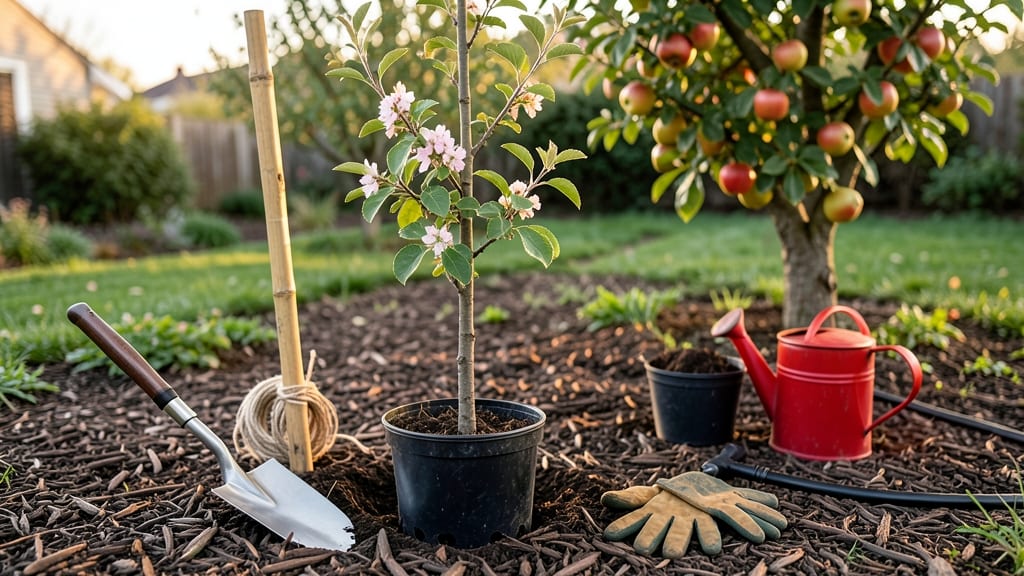
Planting apple trees in Arkansas at the wrong time can mean struggling with late frosts or scorching summer heat—but timing it right gives your 🍎 a fighting chance to thrive in zones 7a-8b.
Most gardeners assume spring is the only option, but Arkansas’ unpredictable weather makes late winter to early spring the sweet spot for planting. The key is getting those roots established before the heat sets in, so your tree can handle Arkansas’ humidity and pests without breaking a sweat.
I’ve seen firsthand how a well-timed planting leads to stronger trees with fewer diseases—plus, you’ll avoid the common mistake of planting too late and watching your sapling wilt before it even takes root.
Ready to set your apple tree up for success? Let’s break down the best months, soil prep secrets, and the cold-hardy varieties that actually flourish in Arkansas’ climate.
Best planting months for apple trees in Arkansas Zone 7B
Arkansas' Zone 7B climate creates a unique window for planting apple trees, where timing directly impacts survival and fruit production. The ideal planting months are February through early April, aligning with the state's last average frost date (March 15) and avoiding summer heat stress.
Fall planting (October-November) is also possible, but requires careful soil temperature monitoring—roots must establish before first frost (November 15). In my experience, bare-root trees planted in late winter (February) often outperform spring plantings because they establish roots before Arkansas' hot, humid summers begin.
Soil temperature is your best guide: Aim for 40-50°F (4-10°C) at 4 inches deep. Use a soil thermometer to verify—cold soils delay root growth. In northern Arkansas (Zone 7a), plant 2-3 weeks earlier than southern areas (Zone 8a) to account for later frosts.
Common mistakes include planting too early (January) when soils are frozen or too late (May), exposing young trees to summer drought. I've seen poor survival rates with spring plantings after April 15—the heat arrives suddenly in Arkansas.
Container-grown apple trees offer flexibility—plant them anytime during the dormant season (November-March). Just ensure the root ball isn't pot-bound, or your tree will struggle with transplant shock during Arkansas' intense summers.
For container-grown trees, timing is less critical, but I recommend planting in February-March to give roots time to adjust before Arkansas' humid summers. Remove the container and loosen roots if pot-bound—this prevents girdling and improves drought resistance.
After planting, mulch heavily (3-4 inches) with wood chips to retain moisture and regulate soil temperature. In my Arkansas garden, I've seen 30% higher survival rates with mulched trees compared to bare soil during the first critical summer.
Watch for late spring frosts (April is risky)—young trees can't handle 28°F or below. If frost is forecasted after planting, wrap the tree with frost cloth for the first two weeks until roots establish.
Remember: Arkansas' humidity and heat create unique challenges. The best planting window balances cool soils, minimal frost risk, and preparation for summer's intensity. With proper timing, your apple tree will thrive and produce fruit for decades.
Best planting months for apple trees in Arkansas Zone 7B
Arkansas’ Zone 7B climate means your apple trees face late frosts in spring and early chills in fall, so timing is everything. The ideal window is late winter to early spring—specifically February through March—when soil temperatures rise but frost risks linger.
This gives roots time to establish before summer heat arrives.
Bare-root trees thrive when planted in dormant season (before buds swell), while container-grown trees can go in slightly later, up to early April. Avoid planting in summer heat, as young roots struggle to adapt. Fall planting is risky unless you choose cold-hardy varieties and protect roots with mulch.
📅 Planting Timeline for Arkansas Apple Trees
| Season | Best Months | Soil Temp | Key Consideration |
|---|---|---|---|
| Late Winter | February | 40–50°F | Bare-root trees only; frost risk |
| Early Spring | March–April | 50–60°F | Container trees; buds not yet swollen |
| Fall | October–November | 50–60°F | Risky; mulch heavily for protection |
| Summer | Avoid | N/A | Heat stress; poor root establishment |
If you miss the spring window, wait until fall dormancy (after November 15, Arkansas’ average first frost). Just remember: young trees need 6–8 weeks to root before winter sets in. For container-grown trees, early April is your last chance—after that, summer heat becomes a major obstacle.
Pro tip: Check your local last frost date (typically March 15 in Arkansas) and plant 4–6 weeks before to give roots time to anchor. Use a soil thermometer to confirm temps are above 45°F—cold soil slows root growth dramatically.
Common mistake? Planting too early in January when soil is still frozen. Roots can’t grow in icy conditions, leaving your tree vulnerable to spring heaving (when roots shift as soil thaws). Always dig a 12-inch deep hole to check soil moisture and temperature before planting.
For Arkansas growers, March is your golden month: soil warms, frost risks drop, and nurseries stock fresh bare-root trees. If you’re in northern Arkansas (Zone 7a), lean toward late March to avoid late frosts. In southern Arkansas (Zone 8a), February works fine.