
Plants
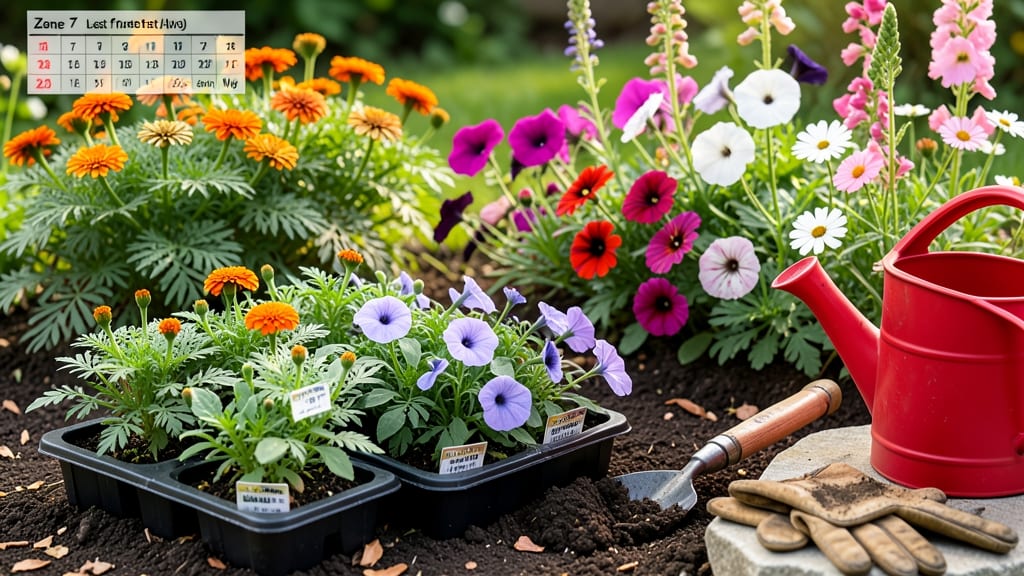
Planting your 🌸 annuals at the wrong time in Zone 7 can turn your gardening dreams into a costly lesson—but here’s the secret: soil temperature is the real game-changer for fast germination and blooms that last.
Most gardeners in Zone 7 wait until after the last frost (around March 15), but that’s only half the story. Cool-season annuals like lettuce and pansies actually thrive when soil hits 40–50°F, while warm-season favorites like tomatoes need 60–70°F to take off.
In this guide, I’ll break down the exact planting windows for your Zone 7 garden—from early spring to late summer—so you can time your seeds for faster growth and fewer wasted efforts.
Whether you’re a first-timer or a seasoned gardener, these soil temp triggers will help you avoid common mistakes and get the most vibrant 🌸 annuals all season long.
Zone 7 planting calendar: exact soil temperature triggers for annuals
In Zone 7, where last frost typically arrives around March 15, your planting timeline hinges on soil temperature more than air temperature. Cool-season annuals like lettuce and spinach need soil between 40–50°F to germinate, while warm-season favorites like tomatoes and marigolds only sprout when soil hits 60–70°F.
Ignoring these triggers means slow starts or failed germination—so grab a soil thermometer and plan accordingly!
Your last frost date (March 15) isn’t the only deadline. For cool-season crops, you can start 4–6 weeks before that date indoors or use row covers to extend the season. Meanwhile, warm-season plants should wait until two weeks after the last frost when soil is reliably warm.
Pro tip: Test your soil—if it’s still chilly in March, hold off on tomatoes until April!
Here’s the golden rule: Cool-season annuals (e.g., kale, pansies) thrive in spring and fall, while warm-season annuals (e.g., basil, zinnias) need summer’s heat.
Zone 7’s 210 frost-free days give you flexibility, but rushing warm-season plants too early risks stunted growth or bolting (when plants flower prematurely).
🌱
| Plant Type | Ideal Soil Temp (°F) | Planting Window | Zone 7 Notes |
|---|---|---|---|
| Cool-Season Annuals | 40–50°F | Feb–March (spring) / Aug–Sept (fall) | Tolerates light frost; use row covers for earlier starts. |
| Warm-Season Annuals | 60–70°F | April–May (after last frost) | Wait until soil warms; mulch to retain heat. |
| Heat-Tolerant Annuals | 70–80°F | May–June (summer) | Best for late-season planting; examples: sunflowers, portulaca. |
| Succession Planting | 40–70°F (varies) | March–August (every 2–3 weeks) | Stagger plantings for continuous harvests (e.g., bush beans, lettuce). |
For early spring plantings, aim to sow cool-season seeds by February 15 for a March 15 harvest window. Use black plastic mulch or straw to warm the soil faster—this can shave 1–2 weeks off your growing season.
My go-to trick? Plant radishes first—they germinate in 5–7 days at 40°F, giving you instant feedback on soil readiness.
If you’re planting warm-season annuals like peppers or eggplants, wait until mid-April when soil temperatures consistently stay above 60°F. These heat-lovers bolt if stressed by cold, so never rush them.
Instead, start them indoors in March and transplant after the last frost. Pro move: Use self-heating seedling mats to jumpstart germination in cool soil.
Zone 7’s extended growing season (210 frost-free days) lets you squeeze in two rounds of warm-season crops: one in spring and another in late summer. For example, basil planted in June will thrive until October, while zinnias sown in July will bloom until frost.
This double-planting strategy maximizes your garden’s potential—just adjust watering as summer heat ramps up!
🌿
Don’t overlook fall plantings! While many gardeners stop after summer, Zone 7’s mild winters allow for cool-season annuals like pansies and calendulas to shine from September to November.
These frost-tolerant beauties add color when most gardens go dormant. Test your soil again in late summer—if it’s still warm, wait until September 15 to avoid premature bolting.
Finally, track your local microclimate. Urban areas can be 5–10°F warmer than rural spots, while high-altitude gardens may need 2–3 weeks later starts. Use a garden journal to note when your soil hits key temperatures—this data becomes your personalized planting guide for years to come!
Zone 7 planting calendar: exact soil temperature triggers for annuals
In Zone 7, where average last frost dates hover around March 15, soil temperatures are the real game-changer for annual success. Cool-season crops like lettuce and spinach need soil temps between 40–50°F to germinate, while warm-season favorites like tomatoes and basil demand 60–70°F or warmer.
Planting too early? Your seeds will rot. Too late? You’ll miss peak blooms.
Use a soil thermometer to check temps before sowing—most garden centers sell them for under $10. For cool-season annuals, aim for planting 4–6 weeks before last frost (so by February 15 in Zone 7).
Warm-season plants, however, should wait until after May 1, when soil reliably stays above 55°F.
🌱 Key Takeaway: Soil temperature matters more than air temperature. A 50°F air temp can hide 40°F soil—perfect for frost damage.
Pro tip: Succession planting in Zone 7 lets you stretch your season. Sow bush beans every 2 weeks from May to July for continuous harvests. Or try fast-germinating radishes in early spring and again in late summer for two crops.
Don’t overlook microclimates—a south-facing wall can add 10°F to soil temps, while shaded spots may stay 10°F cooler. Adjust your planting dates accordingly, especially for heat-sensitive plants like cucumbers.
For Zone 7 gardeners, the secret weapon is row covers. They let you plant cool-season crops 2–3 weeks earlier and extend fall plantings by 4–6 weeks. Just remove them when flowers appear to prevent overheating.