
Companion Plants
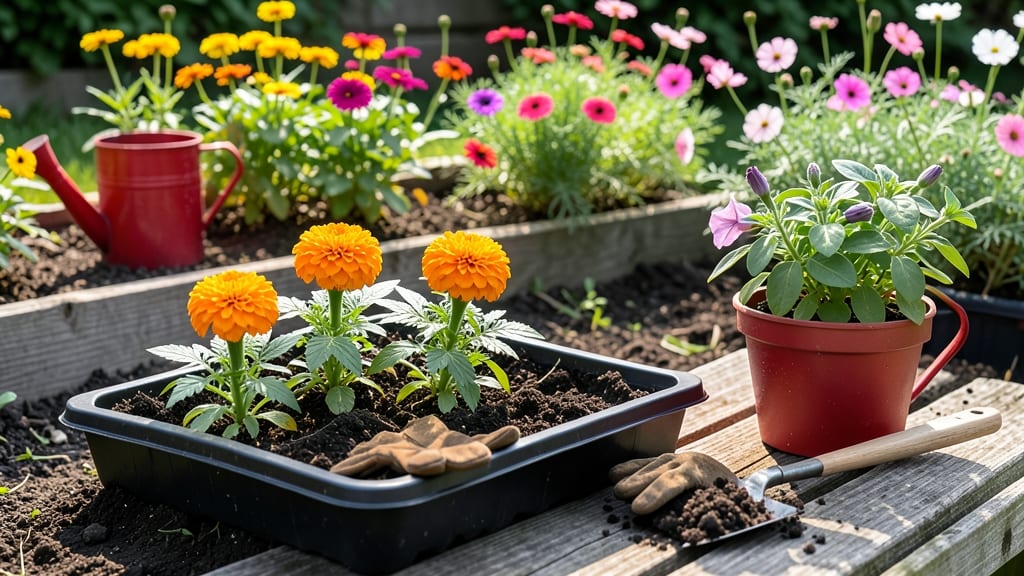
Timing when can I plant annuals in zone 6 just right could mean the difference between a garden that bursts with color and one that struggles against late frosts.
The key to success lies in knowing exactly when to plant—whether you're sowing cool-loving pansies in early spring or heat-loving marigolds in summer.
Most Zone 6 gardeners wait until after the average last frost date (typically mid-April to mid-May), but the truth is more nuanced. Some annuals thrive when planted weeks before that date, while others need to wait until soil temperatures rise.
I’ll break down the exact windows for each type, so you never miss a planting opportunity.
What if you’re unsure about your specific frost dates? Don’t worry—I’ll also share how to adjust your schedule based on microclimates and soil warmth. With these insights, you’ll maximize your garden’s potential and enjoy blooms from spring to fall.
Ready to transform your garden into a year-round showstopper? Let’s dive into the precise timing that will make all the difference for your annuals.
Zone 6 last frost dates: exact weeks to plant annuals by type
In Zone 6, the last frost date typically falls between April 15 and May 15, but this can vary by 6a vs. 6b sub-zones. For example, areas like Chicago (6b) often see frost-free conditions by April 20, while Pittsburgh (6a) may wait until May 5.
These dates determine when to plant cool-season annuals like pansies and when to wait for warm-season favorites such as marigolds.
Understanding your local frost risk is key. The USDA Zone 6 spans from the Midwest to the Northeast, where late frosts can linger into May. Use a 7-day buffer after your average last frost date for tender annuals like tomatoes or petunias to avoid frost damage.
For hardy annuals like calendula, you can plant 2-3 weeks earlier.
Here’s how to use these dates: Cool-season annuals (e.g., lettuce, spinach) thrive when planted 4-6 weeks before your last frost. Warm-season annuals (e.g., basil, impatiens) need soil temperatures above 60°F, which usually occurs 2-3 weeks after your last frost.
Always check your local almanac for precise dates.
For Zone 6a (colder sub-zone), err on the side of caution. Wait until May 10 for warm-season plants, while Zone 6b gardeners can plant tomatoes as early as April 25. Microclimates—like south-facing slopes—can also warm up faster, allowing earlier planting in those spots.
🌱 Zone 6 Planting Timeline by Annual Type
| Planting Window | Annual Type | Last Frost Buffer | Soil Temp Requirement |
|---|---|---|---|
| March 15–April 15 | Cool-season (pansies, snapdragons) | 4–6 weeks before last frost | 40–50°F |
| April 20–May 5 | Hardy warm-season (calendula, nasturtium) | 2–3 weeks after last frost | 50–60°F |
| May 10–May 20 | Tender warm-season (tomatoes, peppers) | 7–10 days after last frost | 60–70°F |
| June 1–July 15 | Heat-lovers (zinnias, marigolds) | After soil warms to 70°F | 70°F+ |
💡 Pro Tip: Use a soil thermometer to confirm temperatures before planting warm-season annuals.
If you’re unsure about your last frost date, sign up for local frost alerts from services like the National Weather Service. These alerts can give you 48-hour warnings for late frosts, helping you protect young plants with row covers or move potted annuals indoors temporarily.
For succession planting, note that Zone 6’s first frost typically arrives between October 15 and November 15. This means you can squeeze in late-season annuals like cosmos or sunflowers as early as June 15 for a fall display. Just monitor weather forecasts closely.
Another trick is to use black plastic mulch to warm soil faster in Zone 6a areas. This can shave off 1-2 weeks from your planting timeline for warm-season crops. Always remove mulch before first frost to avoid overheating roots in fall.
Finally, keep a gardening journal to track your actual frost dates over 3–5 years. This will help you fine-tune your planting schedule for future seasons. For example, if your last frost consistently arrives on May 1 instead of April 15, adjust your warm-season planting accordingly.
By mastering these Zone 6 frost dates and soil temperature rules, you’ll transform your garden from hit-or-miss to consistently stunning. Start with cool-season annuals in
How to adjust your planting schedule for zero-frost success in Zone 6
Zone 6 gardeners face a tricky balance—planting too early risks frost damage, while waiting too long cuts your blooming season short. The key is adjusting your schedule based on soil temperature and microclimate factors like elevation or urban heat islands.
Even a 7-day buffer can make the difference between thriving annuals and wilted seedlings.
Start by monitoring soil temperatures—most annuals need soil at at least 60°F (15°C) to germinate properly. Use a soil thermometer or check local weather reports for weekly soil warming trends.
In Zone 6, this typically happens 2-3 weeks after your last frost date, but it varies by year. For example, late-May plantings are safer than early-April sowings in frost-prone pockets.
Another game-changer? Row covers and cold frames. These tools can extend your planting window by 2-4 weeks in spring and 3-5 weeks in fall.
For instance, you can plant cool-season annuals like pansies as early as mid-March under protection, while tender varieties like marigolds wait until after May 15. Even a simple floating row cover adds 5-10°F of protection during unexpected cold snaps.
Don’t overlook microclimates in your yard. A south-facing bed warms 3-5°F faster than a north-facing one, letting you plant heat-loving annuals like sunflowers 1-2 weeks earlier.
Similarly, urban areas with pavement hold heat longer, while rural spots may stay cooler. Adjust your schedule by observing your garden’s unique patterns over 2-3 years.
For late bloomers, succession planting is your secret weapon. Instead of one big planting, stagger seeds every 2-3 weeks (e.g., basil every 10 days in June-July) to ensure continuous blooms.
This also helps if your first planting gets hit by an unexpected late-May frost—you’ll still have fresh flowers or veggies by summer.
Finally, keep a planting journal to track what works in your Zone 6 garden. Note dates, soil temps, and outcomes—this turns guesswork into a data-driven strategy. Over time, you’ll spot patterns (like your yard’s true last frost date or which annuals handle your microclimate best).
With these adjustments, you’ll maximize your garden’s potential and enjoy longer seasons of color and harvests without frost worries.