
Plants
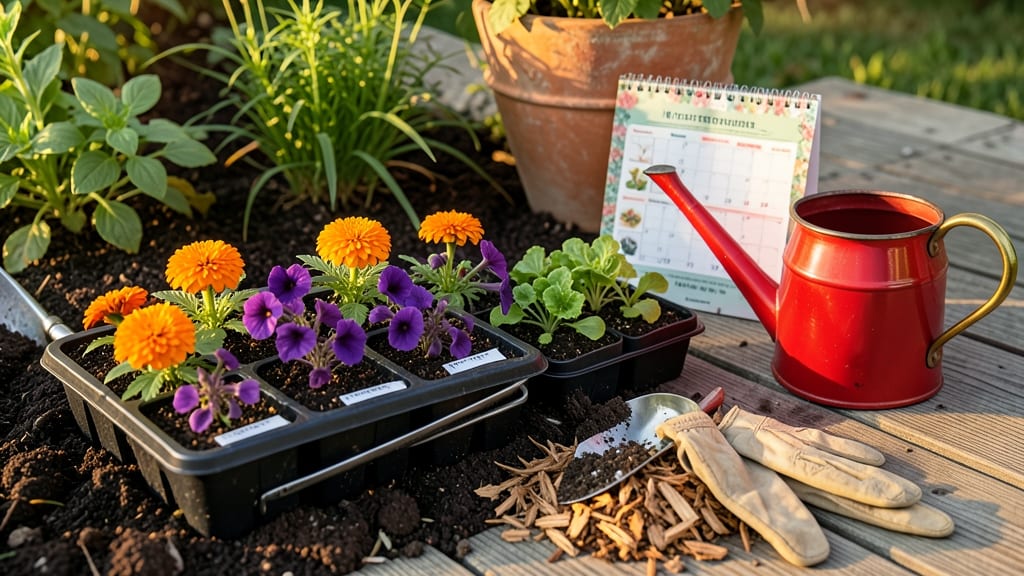
Planting annuals in New Jersey at the wrong time can turn your dream garden into a frost-kissed disappointment—especially when those late spring freezes sneak in.
The key to vibrant blooms and bountiful harvests lies in knowing exactly when to put those 🌱 seeds in the ground, whether you're in Zone 6a or Zone 7b.
I’ve learned the hard way that NJ’s unpredictable weather demands more than just a guess—it requires a strategy. From heat-loving marigolds to frost-sensitive petunias, each plant has its own perfect window.
Miss it, and you’ll either be waiting too long for color or watching your seedlings turn into salad for the birds.
What if I told you there’s a simple way to nail your planting timeline without playing weather roulette?
In this guide, I’ll break down the exact frost dates for your zone, share my foolproof checklist for adjusting to NJ’s quirks, and even tell you which annuals can handle our humid summers like champions.
Ready to transform your garden from “meh” to “wow”? Let’s dive into the frost-date cheat sheet that’ll have your annuals thriving all season long—no more guesswork, just gorgeous results.
New Jersey frost dates by hardiness Zone: your planting timeline guide
New Jersey spans USDA hardiness zones 6a through 7b, which dramatically affects when you can safely plant annuals. The average last frost dates shift from early April in southern NJ to mid-May in northern regions, while first frost dates range from mid-October to late November.
Understanding these zone-specific timelines helps you avoid frost damage to tender annuals like marigolds or basil.
For cool-season annuals (e.g., lettuce, pansies), you can start seeds 4-6 weeks before your last frost date indoors or use row covers to extend outdoor planting. Meanwhile, warm-season annuals (tomatoes, petunias) need to wait until soil temperatures reach at least 60°F—typically 2-3 weeks after your last frost—to thrive.
Here’s how to use this guide: Match your NJ county to the closest zone, then follow the color-coded planting windows for frost-sensitive vs. heat-tolerant crops. Pro tip: Bookmark your local Cooperative Extension Service frost date updates, as NJ’s spring can swing wildly from year to year.
| Zone | Last Frost Date | First Frost Date | Plant Cool-Season Annuals | Plant Warm-Season Annuals |
|---|---|---|---|---|
| 6a (North NJ: Sussex, Warren) | May 10–15 | Oct 15–20 | Apr 1–15 (with row covers) | May 25–Jun 1 |
| 6b (Central NJ: Hunterdon, Mercer) | May 1–5 | Oct 20–25 | Mar 25–Apr 10 | May 15–20 |
| 7a (South NJ: Burlington, Camden) | Apr 15–20 | Oct 25–Nov 1 | Mar 1–15 | Apr 25–May 5 |
| 7b (Coastal NJ: Ocean, Cape May) | Apr 1–10 | Nov 5–10 | Feb 25–Mar 10 | Apr 15–20 |
Notice how coastal zones (7a/7b) have earlier last frost dates thanks to the ocean’s moderating effect. If you’re in Zone 6a, wait until May 25 to plant tomatoes—their roots need warm soil to establish.
For container gardens, you can push planting dates 1-2 weeks later since pots warm up faster.
Use this 14-day rule for transplanting: If your local forecast predicts a 30% chance of frost within 14 days, delay planting tender annuals like begonias or coleus. Check the NJ Weather and Climate Network for real-time soil temperature data—60°F+ is your magic number for warm-season starters.
For extended harvests, try a succession planting strategy: Sow radishes every 2 weeks from April
How to adjust planting times for NJ’s unpredictable weather patterns
New Jersey’s spring frost dates can shift by weeks, leaving gardeners scrambling to protect tender annuals. I’ve learned the hard way—late May frosts can wipe out warm-season crops like tomatoes and marigolds overnight. The key? Flexibility and smart tools to extend your planting window safely.
Start by checking the NJ State Climate Office for your county’s average last frost date, but always prepare for 2-3 weeks later than the norm. For example, in Zone 6b (northern NJ), I wait until May 20th to plant heat-lovers like peppers, even if the calendar says “safe.”
Here’s my 5-step frost-proofing checklist for early plantings:
- Use floating row covers (like Reemay) for 2-3 weeks after transplanting.
- Opt for cold-hardy annuals like pansies or snapdragons for March-April.
- Harden off seedlings gradually (7-10 days) before outdoor moves.
- Plant fast-maturing varieties (e.g., bush beans) for early harvests.
- Keep a heat mat ready for seed-starting in case of unexpected cold snaps.
NJ’s summer humidity also demands adjustments. I avoid planting heat-sensitive annuals like geraniums in full afternoon sun—they’ll wilt by July. Instead, I opt for afternoon-shade lovers like impatiens or begonias under trees or patio umbrellas.
For containers, I use self-watering pots to prevent root rot from daily watering needs.
Fall planting in NJ is my favorite—cool-season annuals like pansies and kale thrive until first frost (usually mid-November). I start these 8-10 weeks before the expected frost date, using lightweight row covers to extend harvests into December for hardy varieties.
Pro tip: Bookmark the NJ Agricultural Experiment Station’s frost alerts (njaes.rutgers.edu) for real-time updates. With these strategies, you’ll beat NJ’s weather and enjoy longer bloom seasons—no frost surprises here! 🌿