
Plants
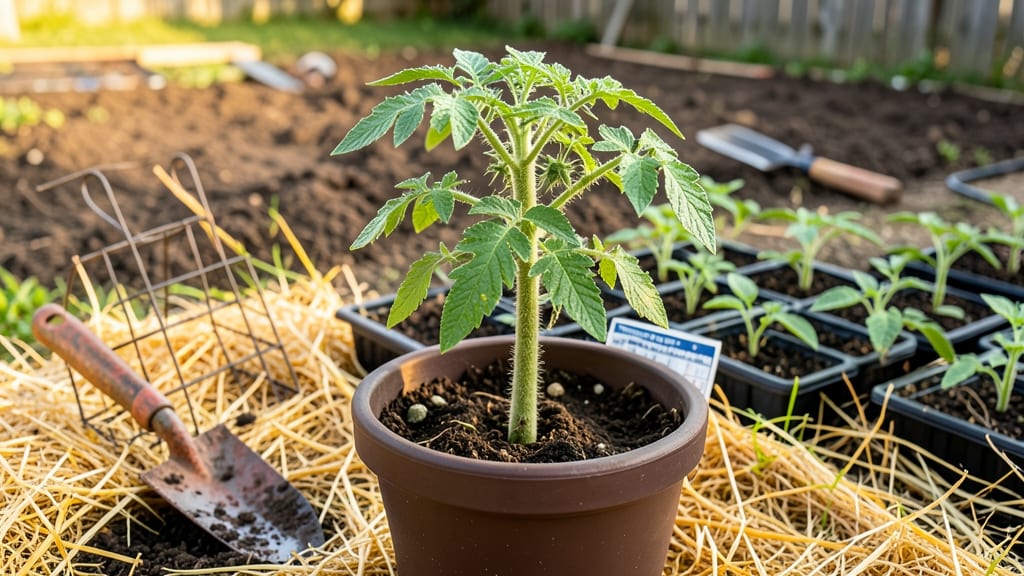
When do you plant tomatoes in North Carolina? Timing your tomato planting isn’t just about avoiding frost—it’s about unlocking a harvest window that stretches from summer to fall.
The key lies in understanding your local heat zone, because planting too early risks chilly soil, while waiting too long cuts your growing season short.
For most of NC’s 7a-8b zones, the ideal window opens in mid-April for indoor starts, with outdoor transplanting happening after the last frost—usually by early June. But here’s the catch: fall planting (late July to early August) can give you a second harvest before winter sets in.
The difference between a thriving plant and a struggling one often comes down to these precise timing decisions.
I’ve grown tomatoes across NC’s varied climates, and what I’ve learned is that soil temperature matters just as much as air temperature. Waiting until the ground reaches 60°F ensures strong roots and faster growth, while black plastic mulch can shave weeks off your season by warming the soil faster.
Let’s break down exactly when to plant in your specific zone—and how to maximize every growing day.
From seed to table, your tomato’s journey depends on these timing strategies. Whether you’re a first-time gardener or a seasoned pro, getting the planting schedule right means the difference between a handful of store-bought tomatoes and a bounty of homegrown 🍅 that lasts from June through November.
Ready to plan your perfect harvest?
NC heat zone map: exact weeks before last frost by region
North Carolina spans USDA heat zones 5A to 8B, meaning frost dates and planting windows vary dramatically. For example, Zone 5A (western mountains) has a last frost around April 20, while Zone 8B (coastal plains) rarely sees frost after January 15.
This variation means your planting timeline depends entirely on where you live.
Tomatoes thrive when soil temperatures hit 60°F+ and nighttime temps stay above 50°F. Planting too early in cooler zones risks frost damage or stunted growth, while late planting in warm zones may lead to bolting (premature flowering). Let’s break down the exact weeks before last frost for each zone.
🌱
NC Heat Zone Planting Guide
| Zone | Avg Last Frost | Start Seeds Indoors | Transplant Outdoors | Fall Planting Window |
|---|---|---|---|---|
| 5A (Mountains) | April 20 | Feb 15–March 1 | April 20–May 5 | July 15–Aug 1 (early maturing) |
| 6A (Piedmont) | April 1 | March 1–March 15 | April 15–May 1 | July 1–July 15 |
| 7A (Central NC) | March 15 | Feb 20–March 10 | March 30–April 15 | June 15–July 1 |
| 7B (Coastal Piedmont) | March 1 | Feb 1–March 1 | March 15–April 1 | June 1–June 15 |
| 8A (Southeast NC) | January 15 | Jan 15–Feb 15 | Feb 15–March 15 | May 15–June 1 |
| 8B (Coastal Plains) | January 1 | Dec 15–Jan 15 | Jan 30–Feb 15 | April 15–May 1 |
Note: Use black plastic mulch to warm soil faster in cooler zones (5A–7A).
For Zone 5A and 6A, focus on early-maturing varieties like ‘Early Girl’ (60 days) or ‘Stupice’ (55 days) to avoid late-season frosts.
In Zone 8A and 8B, you can even plant a fall crop as late as July 15 for a winter harvest (using cold frames or row covers).
Soil temperature is just as critical as air temperature. Use a soil thermometer to confirm 60°F+ before transplanting. In Zone 7A and below, wait until nighttime lows stay above 55°F to prevent blossom drop.
For indeterminate varieties (like ‘Brandywine’), plant 2–3 weeks earlier than determinate types to maximize yield.
🌿
If you’re unsure of your exact zone, check the NC State Extension’s interactive map or use the USDA Plant Hardiness Zone Map. Pro tip: Add 1–2 weeks to your local last frost date if you’re in a valley or low-lying area, as cold air settles there longer.
Conversely, subtract 1 week if you’re on a hillside or near water, where frost arrives later.
For container gardening, adjust your timeline by 2 weeks earlier since pots warm up faster. Just ensure your container is at least 12 inches deep and has drainage holes. In Zone 8B, you can even grow tomatoes year-round with season extension tools like hoop houses or cold frames.
✂️
Tomato planting calendar: step-by-step weeks for NC gardeners
Timing is everything when growing tomatoes in North Carolina. To maximize your harvest, start by calculating your last frost date—this is your planting deadline.
Most NC regions experience their last frost between mid-March and early April, but coastal areas like Wilmington may see frost-free conditions as early as February 15. For inland zones like Raleigh or Asheville, wait until April 15–May 1 to transplant seedlings outdoors.
For a successful tomato crop, begin your indoor seedlings 4–6 weeks before your target transplant date. This means starting seeds indoors by early March for most NC gardeners. Use grow lights or a sunny windowsill to ensure strong, healthy seedlings.
If you’re short on time, opt for transplant-ready seedlings from local nurseries—just be sure to harden them off for 7–10 days before moving them outdoors.
Here’s your month-by-month checklist for NC gardeners, tailored to the state’s diverse climate zones. Adjust dates based on your specific last frost date and microclimate.
Action: Sow seeds in seed trays with sterile potting mix. Keep soil at 70–80°F for germination (use a heat mat if needed).
Tip: Thin seedlings to 2–3 inches apart once true leaves appear.
Action: Gradually expose seedlings to outdoor conditions for 2–3 hours daily, increasing time each day. Avoid direct sun initially.
Tip: Use shade cloth if temperatures exceed 75°F.
Action: Bury stems up to ⅔ of their height to encourage root growth. Space plants 18–24 inches apart (24–36 inches for indeterminate varieties).
Tip: Use black plastic mulch to warm soil faster in cooler zones (5A–6B).
Action: Start second batch of seeds indoors or transplant young seedlings to extend harvest until October–November.
Tip: Choose fast-maturing varieties (e.g., ‘Early Girl’ or ‘Stupice’) for fall planting.
Action: If frost is predicted, cover plants with frost blankets or row covers. For late frosts, delay transplanting until soil temps consistently stay above 60°F.
Tip: Use a soil thermometer to track warmth—tomatoes won’t thrive in cold soil.
For gardeners in NC’s coastal regions (zones 8A–8B), you can push the envelope further. Start your first seeds as early as February 1 and transplant outdoors by March 15.
These areas enjoy longer growing seasons, allowing for two full harvests per year—one in spring and another in fall. Just be mindful of humidity and heat stress during summer months.
In higher-elevation zones (5A–6B), like the mountains around Boone or Waynesville, focus on early-maturing varieties and prioritize soil warmth. Use row covers or cold frames to extend your season, and avoid planting indeterminate varieties too late—they may not mature before the first frost in November.
Instead, opt for determinate types like ‘Celebrity’ or ‘Better Boy’ for reliable yields.
Pro tip: Mark your calendar with three key dates—your last frost date, the ideal transplant window, and your target harvest period. This keeps you on track for a bountiful tomato season from June through October (or later for fall plantings).
With this step-by-step approach, you’ll avoid common timing mistakes and enjoy homegrown tomatoes all season long! 🌱