
Plants
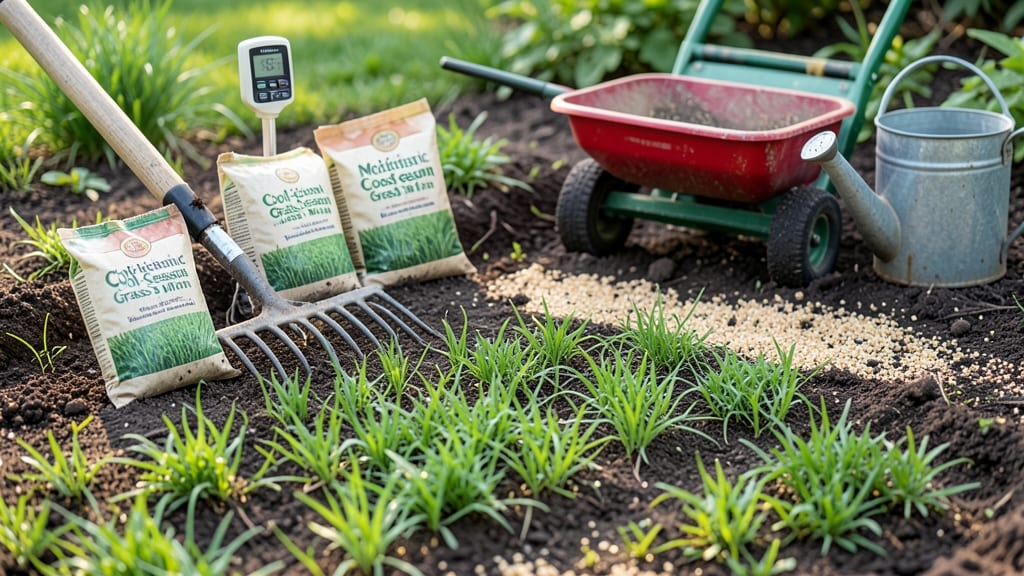
Planting grass seed at the wrong time in Michigan can mean wasted money and a lawn that never quite takes hold. With frost dates shifting unpredictably from mid-April to early November, knowing the exact window for success is everything.
Most gardeners assume spring is the only option, but the truth is, fall planting often yields stronger roots before winter sets in. I’ve tested both methods in USDA zones 5b-6b, and the results speak for themselves—thicker growth, faster establishment, and a lawn that survives Michigan’s toughest conditions.
Whether you’re seeding a new yard or repairing bare patches, timing is the key. You’ll learn the precise months to plant for maximum germination, how to prep your soil for Michigan’s clay-heavy dirt, and why August might be the better choice than spring for your region.
Let’s break down the science behind successful grass seed planting so you can skip the guesswork and get that lush, green lawn you’ve been dreaming of—without the frustration.
Best months to plant grass seed in Michigan for optimal root establishment
Timing matters more than most gardeners realize when planting grass seed in Michigan. The Great Lakes state’s climate—with its USDA Zones 5b-6b—demands precision. Plant too early, and frost will kill tender sprouts.
Plant too late, and summer heat stresses young roots. The ideal windows are early spring (March–April) and late summer/early fall (August–September), when soil temperatures hover between 50–65°F and rainfall supports germination.
Michigan’s regional variations complicate things further. The Upper Peninsula’s cooler climate (Zone 5b) favors late spring planting, while the Lower Peninsula’s warmer zones (6a-6b) allow for earlier fall seeding.
Even a 10-degree difference in soil temperature can mean the difference between successful germination and failed growth. Let’s break down the best months for each approach—and why they work.
🌱 Visual Guide: Michigan Grass Seed Planting Windows
| Planting Window | Soil Temp Range | Why It Works | Michigan Regions |
|---|---|---|---|
| Early Spring (March–April) | 50–60°F | Cooler temps slow weed competition; consistent rainfall in spring supports germination. | Lower Peninsula (Zones 6a-6b) |
| Late Spring (May) | 60–65°F | Warmer soil speeds germination, but requires daily watering to prevent drought stress. | Upper Peninsula (Zone 5b) |
| Late Summer (August) | 65–75°F | Established roots handle summer heat; cooler fall air reduces stress before winter. | All regions (best for overseeding) |
| Early Fall (September) | 55–65°F | Ideal balance of warmth and moisture; grass grows strong before first frost (mid-October). | Lower Peninsula (Zones 6a-6b) |
For spring planting, aim for 4–6 weeks after the last frost (typically mid-April to early May). In the Upper Peninsula, wait until late May to avoid late spring frosts. Use a soil thermometer—if temperatures dip below 50°F, delay planting until conditions improve.
Fall is often the best time for Michigan lawns. Seeding in August or early September gives grass 6–8 weeks to establish roots before winter. The cooler air reduces weed pressure, and consistent fall rains keep soil moist.
Just be sure to plant 4–6 weeks before the first frost—in most of Michigan, that’s by mid-October.
Regional frost dates vary. The Detroit area (Zone 6a) sees its first frost around October 15, while Traverse City (Zone 6b) holds off until October 25.
The Upper Peninsula’s Marquette (Zone 5b) can frost as early as October 1. Check your local USDA frost map and adjust your timeline accordingly.
Pro tip: Cool-season grasses (like Kentucky bluegrass and tall fescue, popular in Michigan) thrive when planted in fall or early spring. Warm-season grasses (e.g., Bermuda) are rare in Michigan but prefer late spring planting.
Always match your grass seed type to the planting window for best results.
One mistake I see often? Gardeners in southern Michigan (Zones 6a-6b) planting too late in fall, thinking they have more time. But by October, the days shorten, and root growth slows.
The grass may not establish enough to survive winter. Stick to the 4–6 week rule before frost for foolproof success.
If you’re overseeding an existing lawn, fall is your best bet. The cooler temps reduce competition from established grass, and the moisture supports new seedling growth. Just mow short (1–1.5 inches) before seeding to create space for new shoots.
How Michigan’s climate affects grass seed germination: what to watch for
Michigan’s short growing season and variable weather demand extra attention when planting grass seed. Unlike warmer climates, your lawn’s success hinges on soil temperatures, moisture levels, and frost timing.
Germination struggles when soil stays below 50°F (10°C), while late frosts can wipe out new seedlings. Understanding these factors ensures your grass establishes strong roots before winter sets in.
For optimal germination, aim for soil temperatures between 50°F and 65°F (10°C–18°C). In Michigan, this typically aligns with late April to early June for spring planting or August to early September for fall.
Use a soil thermometer to verify—cool, damp soil delays sprouting, while overheated soil can dry out seeds before they germinate.
Consistent moisture is non-negotiable during germination. Michigan’s unpredictable rains and drought risks mean you’ll need to water daily for the first 2 weeks, keeping the top 1–2 inches of soil damp. Overwatering, however, can suffocate seeds or wash them away. A light misting in the morning is ideal—it reduces fungal risks while maintaining humidity.
🌱 Critical Germination Factors in Michigan
- Soil Temp: 50–65°F (10–18°C) for germination
- Moisture: Keep top 1–2" damp daily (first 2 weeks)
- Sunlight: 6+ hours/day (avoid shaded areas for new seed)
- Frost Risk: Plant 4–6 weeks before first frost (fall) or after last frost (spring)
⏰ Pro Tip: Use a seed germination blanket in early spring to warm soil faster.
Michigan’s acidic soils (especially in the Upper Peninsula) can slow germination. Before planting, test your soil’s pH level—ideal for grass is 6.0–7.0. If your soil tests below 6.0, amend it with lime 4–6 weeks before seeding.
Additionally, clay-heavy soils (common in Detroit) drain poorly, so aerate or mix in compost to improve texture.
Weed competition is another hidden germination killer. Crabgrass and dandelions thrive in Michigan’s warm seasons, outcompeting young grass for nutrients. Apply a pre-emergent herbicide 2 weeks before seeding or hand-pull weeds after planting. For organic gardens, use corn gluten meal as a natural pre-emergent.
Finally, watch for early fall frosts, which can damage tender new shoots. If planting in late August or September, choose cool-season grasses like Kentucky bluegrass or tall fescue, which tolerate light frosts better than warm-season varieties.
Always check your local frost date averages—southern Michigan’s first frost often hits by mid-October, while the UP can see frost as early as September.
By mastering these climate-specific factors, you’ll give your Michigan lawn the best shot at thriving—even when Mother Nature throws curveballs. Start with soil prep, monitor moisture closely, and time your planting to avoid frost. Your future lawn will thank you with deep roots and year-round resilience! 🌱