
Companion Plants
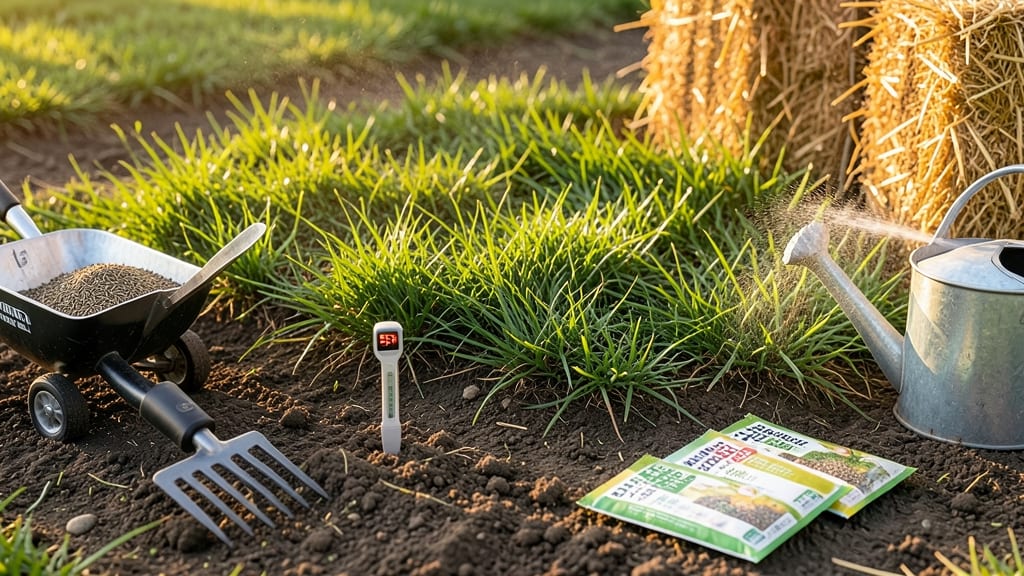
Planting grass seed in Michigan at the wrong time can mean watching your hard work vanish overnight with a single frost. The perfect window for fast, lush growth in USDA Zones 5b-6b is narrow—but getting it right means skipping the guesswork and avoiding common mistakes that slow down germination.
Most Michigan gardeners know spring and fall are the ideal times, but did you know soil temperature matters more than the calendar? Waiting until the ground stays consistently above 50°F (usually mid-April or early September) gives your 🌱 grass seed the best shot at sprouting within 10-14 days—not weeks.
I’ll break down exactly when to plant in Northern vs. Southern Michigan, plus how to prep your soil for maximum success.
Whether you're seeding a new lawn or repairing bare patches, timing isn’t just about avoiding frost—it’s about outsmarting weeds and drought.
I’ll share the critical factors that separate a thick, green lawn from a patchy disappointment, including the best grass varieties for Michigan’s climate and how to keep moisture levels just right.
Ready to stop second-guessing and start planting with confidence? Let’s dive into the exact steps and deadlines that’ll have your lawn looking its best by summer—no matter where you are in the Great Lakes state.
Michigan grass seed planting calendar: best months for fast germination by region
Michigan’s USDA Zones 5-6 create unique challenges for grass seed planting, with Northern Michigan (Zone 5) facing earlier frosts than Southern Michigan (Zone 6). The key to success?
Planting when soil temperatures hit 50°F+ and staying ahead of weeds. Cool-season grasses like Kentucky bluegrass and tall fescue thrive when sown in these precise windows.
For spring planting, aim for early April to mid-May—after the last frost (typically April 15 in most areas) but before summer heat sets in. Fall planting is even more critical, with mid-September to early October offering ideal conditions for root establishment before winter dormancy.
Missing these windows risks poor germination or weed competition.
Here’s how Michigan’s two distinct regions differ in planting timing:
Northern Michigan’s shorter growing season demands earlier action—seed must germinate before June’s heat or October’s first frost. Southern Michigan has slightly more flexibility, but drought conditions in July-August make spring planting ideal. Always check Michigan State University Extension for your county’s specific frost dates.
Pro tip: Use a soil thermometer ($10 at garden centers) to confirm 50°F+ soil temps. Cold soil delays germination by 3-5 days per degree below 50°F. For example, 45°F soil may take 21 days to sprout vs. 7-10 days at 55°F.
Fall planting offers 90% higher success rates in Michigan because cooler temps reduce weed pressure and allow roots to establish before winter. Seed sown in September will germinate, grow for 6-8 weeks, then go dormant—ready to explode in May when competitors like crabgrass are just waking up.
Regional microclimates matter too. Southeastern Michigan (near Detroit) can plant 1-2 weeks later than the Upper Peninsula, where June frosts aren’t uncommon. Always scout your yard: Low-lying areas stay colder longer and may need 2-week adjustments to the calendar.
Missed the ideal window? Perennial ryegrass (fastest germinator at 5-7 days) can bridge gaps in May or late August, but expect weed competition to be 3x worse outside these prime months. For best results, mark your calendar now—Michigan’s grass seed sales spike in April and September!
🌱
5 Critical factors that determine your grass seed planting success in Michigan
Timing your grass seed planting is just the first step—Michigan’s cool, variable climate demands extra attention to soil conditions, moisture control, and weed suppression. These 5 critical factors separate a lush lawn from a patchy disappointment. Let’s break down what truly matters beyond the calendar.
First, your soil temperature must stay above 50°F (10°C) for 7+ consecutive days. Cool-season grasses like Kentucky bluegrass and fescue need warmth to germinate, but don’t wait until summer—soil overheats above 85°F (29°C), stressing young seedlings. Use a soil thermometer to check depths of 2-4 inches.
- Soil Prep & pH
- Moisture Management
- Seed Depth & Spreading
Weed control is non-negotiable in Michigan’s aggressive weed seasons. Pre-emergent herbicides (like pendimethalin) applied 2 weeks before planting block crabgrass and chickweed. For organic options, use corn gluten meal as a natural pre-emergent. Post-planting, hand-pull weeds immediately—they steal 50% of nutrients from young grass.
Finally, fertilizer timing makes or breaks your lawn. Apply a starter fertilizer (high-phosphorus) at planting to jumpstart roots, then switch to a balanced 10-10-10 4-6 weeks later.
In fall, use a low-nitrogen fertilizer (like 16-4-8) to strengthen roots before winter. Never fertilize in late summer—it encourages thatch buildup and dormancy stress.
Master these factors, and your Michigan lawn will germinate 90%+ efficiently, outcompeting weeds and surviving winter. Start with soil prep now—spring planting windows open in March-April, and fall’s second chance arrives in September! 🌱