
Plants
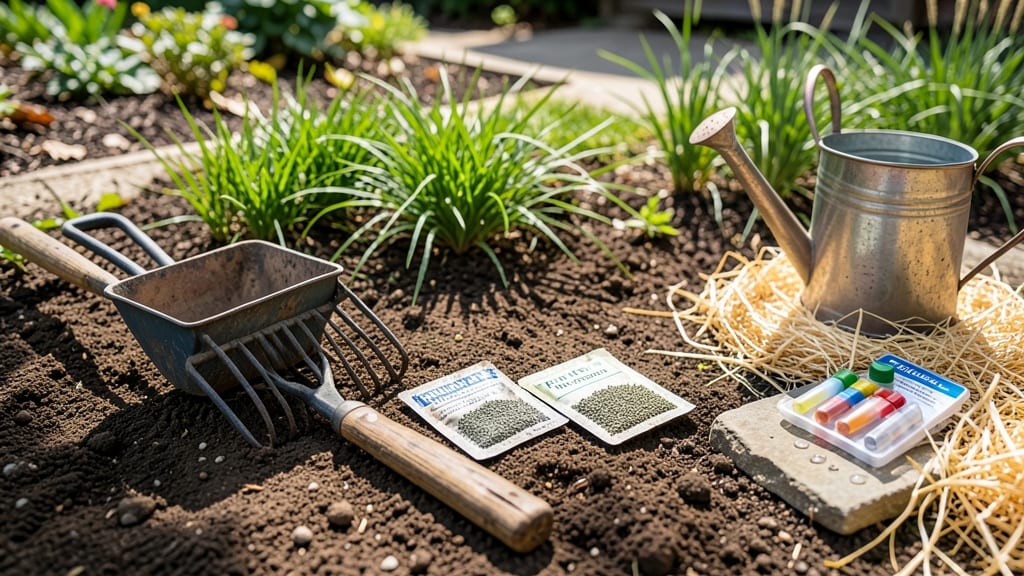
Planting grass seed in Colorado at the wrong time can leave you staring at patchy, struggling turf—especially when unpredictable frost or scorching sun derails your plans.
The perfect window isn’t just about months, but soil temperature and regional microclimates that vary wildly from Denver’s Front Range to the high-desert Western Slope.
If you’ve ever wondered why your neighbor’s lawn thrives while yours struggles, timing is the key. Cool-season grasses like Kentucky bluegrass need soil between 50°F and 65°F, while warm-season varieties like Bermuda prefer warmer conditions.
Colorado’s USDA Zones 5-7 add another layer of complexity, with frost-free periods stretching from 120 to 160 days depending on elevation.
Here’s the game-changer: early fall and spring are your best bets, but even then, local conditions matter. I’ll break down the exact frost-free timelines for your region, soil prep secrets, and how to outsmart Colorado’s dry spells so your grass takes root strong and stays that way.
Ready to turn your lawn from a high-maintenance gamble into a lush, low-stress reality? Let’s dive into the science-backed steps that actually work for Colorado’s unique climate.
Colorado’s frost-free zones: best planting months by region
Colorado’s diverse elevations and microclimates create three distinct planting zones for grass seed. The Front Range (Denver, Boulder) has the most predictable frost dates, while the Western Slope (Grand Junction, Aspen) can experience 10-14 days earlier frost-free windows.
High-altitude areas like Steamboat Springs (Zone 5) may need adjustments of 2-3 weeks later than lower elevations.
For cool-season grasses (Kentucky bluegrass, fescue), the primary planting windows are early spring (March-April) and early fall (September-October). Warm-season grasses like Bermuda or buffalo grass thrive when planted in late spring (May-June) after soil warms consistently above 65°F.
Timing matters because Colorado’s dry climate demands quick germination before summer drought sets in.
Here’s how to align your planting schedule with Colorado’s frost-free zones and USDA Hardiness Zones 5-7:
| Region | USDA Zone | Last Frost Date | First Frost Date | Best Planting Months | Microclimate Notes |
|---|---|---|---|---|---|
| Front Range (Denver, Fort Collins) | Zone 5-6 | April 15 | October 15 | March-April, September-October | Urban heat islands delay frost |
| Western Slope (Grand Junction, Durango) | Zone 6-7 | April 1 | October 30 | March-April, September-November | Desert areas warm faster |
| Eastern Plains (Pueblo, Colorado Springs) | Zone 5-6 | April 10 | October 20 | March-April, September-October | Wind exposure delays germination |
If you’re planting in high-altitude areas (above 7,000 feet), like Leadville or Vail, adjust your timeline by 2-3 weeks later than the Front Range averages. These areas experience cooler soil temperatures and shorter growing seasons, so prioritize early fall planting to avoid winter dormancy risks.
For warm-season grasses, focus on May-June planting in Zone 6-7 areas (Western Slope). These grasses need consistent soil temps above 65°F to germinate, so monitor 6-inch soil depth with a thermometer. Buffalo grass, native to Colorado, thrives in these conditions and requires minimal water once established.
Pro tip: Use local almanac data (like the Colorado Climate Center) to fine-tune your planting dates. For example, Denver’s urban areas may see 5-7 days earlier frost-free windows than rural Front Range zones due to the heat island effect.
Remember, early fall planting (September-October) is ideal for cool-season grasses because seedlings establish roots before winter, giving them a head start in spring. This method also reduces weed competition and minimizes drought stress during Colorado’s dry summers.
For late spring planting (May), ensure your irrigation system is ready to provide consistent moisture for the first 4-6 weeks. Without proper watering, new grass seed can bake in the sun or fail to germinate due to soil crusting.
🌱
Soil temperature rules for grass seed germination in Colorado
Colorado’s soil temperature is the hidden factor that decides whether your grass seed sprouts or sits dormant. Cool-season grasses like Kentucky bluegrass and fine fescue need soil between 50°F and 65°F to germinate, while warm-season varieties like Bermuda grass prefer 70°F to 85°F.
Most Colorado lawns use cool-season grasses, so timing your planting to these temps is critical.
Use a soil thermometer to check depth (1 inch down). If your soil is below 50°F, wait—cold soil slows germination and invites fungal diseases. In high-altitude areas like Boulder or Aspen, soil warms 2-3 weeks later than lower elevations like Pueblo or Colorado Springs.
Here’s how to adjust your planting schedule based on soil warmth and Colorado’s microclimates:
Soil temps hit 50°F+ by mid-April in most regions. Plant cool-season grasses as soon as the ground thaws, but avoid late March—soil can still be too cold.
Ideal for Colorado! Soil stays warm enough (60°F+) for germination, but nights cool down, reducing stress on new seedlings.
Only for Bermuda or buffalo grass. Soil must be 70°F+. Plant in late August to establish roots before fall cools the soil.
June–July soil can exceed 85°F, causing seed to dry out before sprouting. Even if you water, heat stress kills young roots.
Above 7,000 ft (e.g., Estes Park), soil warms 10–14 days later. Wait until May 1 for spring planting or mid-September for fall.
Pro tip: If your soil is too cold in spring, use a black plastic mulch to warm it 5–10°F faster. Lay it down 1–2 weeks before planting to jumpstart germination.
Remember, consistent moisture is just as critical as temperature. New seedlings need ½ inch of water weekly—more in Colorado’s dry winds. Use a sprinkler with fine mist to avoid washing seeds away.