
Planting
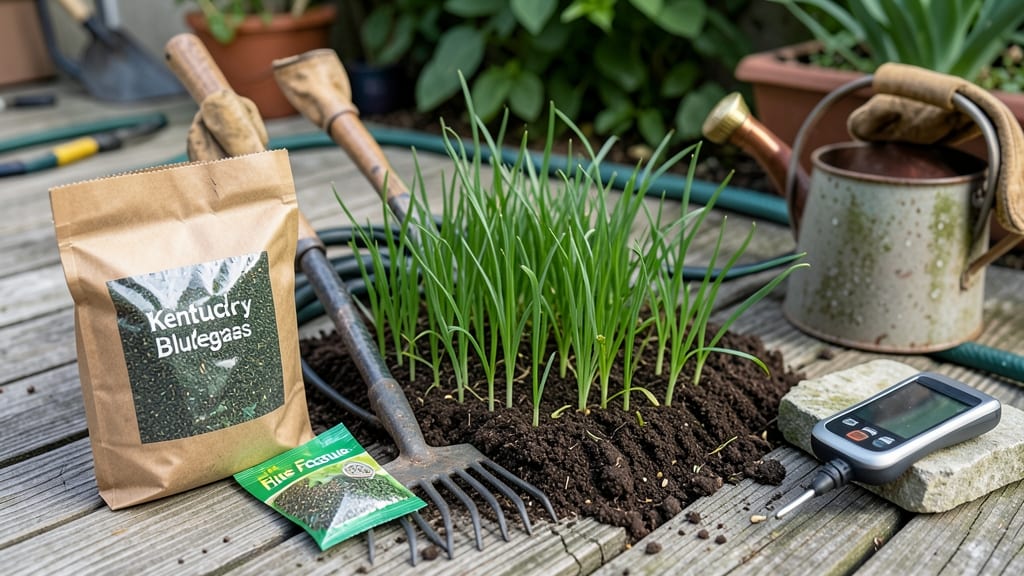
To plant grass in the spring and avoid the heartbreak of frost-killed seedlings, timing is your most powerful tool. The right window means the difference between a lush, green lawn and weeks of patchy regrowth—or worse, starting over.
In Zone 6, where I garden, the clock starts ticking after the last frost (April 15), but soil temperature is the real game-changer.
Most gardeners focus on dates, but the soil thermometer tells the true story. Cool-season grasses like Kentucky bluegrass thrive when temperatures hit 50–60°F, while warm-season varieties wait for 60–70°F.
Plant too early, and frost will nip your progress; too late, and summer heat stresses young roots. I’ll show you how to read your soil’s cues—and adjust for your region’s quirks.
Beyond timing, prep work makes or breaks success. Skipping soil tests or compacted ground turns even the perfect planting window into a gamble. You’ll learn my 3-step soil prep routine that cuts germination time by nearly half, plus watering tricks to keep seeds happy without drowning them.
Let’s get that grass growing fast and frustration-free.
Whether you’re reviving a bare patch or seeding a whole yard, these insights will save you time, money, and the guesswork that kills lawns before they even start. Ready to turn dirt into a carpet of green? Let’s dig in.
Ideal soil temperature ranges for planting grass seed in spring
Spring grass planting success hinges on one critical factor: soil temperature. Most grass seeds need warm soil to germinate quickly, but cool-season grasses like Kentucky bluegrass and fescue thrive in cooler conditions. Warm-season grasses such as Bermuda and Zoysia, however, demand heat—planting them too early risks poor establishment.
For cool-season grasses, aim to plant when soil temperatures hover between 50°F and 65°F. This window typically opens 4-6 weeks before your last frost date.
Warm-season grasses, on the other hand, need soil temperatures of at least 60°F, often aligning with late spring or early summer in most regions.
Measuring soil temperature accurately is key. Use a soil thermometer (inserted 2-3 inches deep) or a DIY method: press your hand into the soil—if it feels warm but not hot, it’s likely in the ideal range for cool-season grasses.
For warm-season types, the soil should feel noticeably warm, almost like a summer afternoon.
Regional variations matter too. In the Northern U.S. (Zones 3-5), cool-season grasses often get planted as early as mid-March to early April, while warm-season grasses wait until late May or June.
In the Southern U.S. (Zones 7-10), warm-season grasses can be seeded as early as March, but cool-season grasses may need to wait until fall to avoid summer heat stress.
Frost risk is another critical consideration. Planting too early—when nighttime temperatures dip below 32°F—can kill tender seedlings. Always check your local frost dates and adjust your timeline accordingly.
For example, in Zone 6, planting cool-season grass in late April minimizes frost risk while keeping soil warm enough for germination.
| Grass Type | Ideal Soil Temp | Best Planting Window | Frost Risk Threshold |
|---|---|---|---|
| Cool-Season (Kentucky Bluegrass, Fescue) | 50°F–65°F | 4–6 weeks before last frost | Avoid below 32°F |
| Warm-Season (Bermuda, Zoysia) | 60°F+ | After last frost, soil warm | None (heat-loving) |
| Transition Zone (Tall Fescue) | 55°F–70°F | Early spring or fall | Moderate (adaptable) |
🌱 Pro Tip: Test soil temps daily for 3 days to confirm consistency.
If you’re unsure about your local conditions, use the "back of the hand test"—press your hand into the soil for 5 seconds. If it feels cool but not freezing, it’s likely safe for cool-season grass.
For warm-season types, the soil should feel warm enough to hold a hand comfortably for 10 seconds.
Once you’ve confirmed the right soil temperature, prepare your lawn by loosening the soil with a rake or aerator to 1-2 inches deep. This helps seeds make contact with moisture and warmth, speeding up germination.
After planting, keep the soil consistently moist (but not soggy) until the grass reaches 1-2 inches tall, usually within 2-4 weeks.
Timing your grass planting right ensures your lawn establishes strong roots before summer heat or winter frost sets in. With the right soil temperature as your guide, you’ll be rewarded with a thick, vibrant lawn that stays green all season long. 🌿
Ideal soil temperature ranges for planting grass seed in spring
Planting grass seed in spring depends on soil temperature, not just air temperature. Cool-season grasses like Kentucky bluegrass and tall fescue thrive when soil is between 50°F and 65°F, while warm-season grasses such as Bermuda or Zoysia need soil to warm to 65°F to 75°F.
Ignoring this rule can lead to slow germination or seed death from heat stress.
Most gardeners in USDA Zone 6 (like my Midwest neighbors) should wait until mid-April to early May for cool-season grasses, when soil temperatures consistently stay above 50°F. For warm-season grasses, aim for late May to early June when soil hits 65°F.
A simple soil thermometer (just $10 at garden centers) makes this easy to check.
🌱
| Grass Type | Ideal Soil Temp | Planting Window (Zone 6) | Frost Risk |
|---|---|---|---|
| Cool-Season (Kentucky Bluegrass, Fescue) | 50°F–65°F | Mid-April to early May | Low after April 15 |
| Warm-Season (Bermuda, Zoysia) | 65°F–75°F | Late May to early June | None |
| Ryegrass (Fast Germination) | 40°F–60°F | Early March to April | High in March |
Northern climates (like Minnesota or New York) should plant 4–6 weeks before the last frost date, while Southern states (like Texas or Florida) can start earlier—often by late February.
Check your local agricultural extension office for precise frost dates, as microclimates (e.g., urban areas) can vary by 1–2 weeks.
If your soil is too cold, cover the seeded area with lightweight straw mulch (1/4 inch thick) to insulate seeds and speed up warming. Avoid plastic sheets, which can trap too much moisture and cause rot.
For warm-season grasses, wait until soil stays warm for 5 consecutive days—this ensures strong root development before summer heat arrives.
🌡️
Pro tip: Test soil temperature at 6 AM (when it’s coolest) to avoid overestimating warmth. If your thermometer reads below 50°F in the morning, wait another week. Patience here means faster germination and a thicker lawn by summer.