
Plants
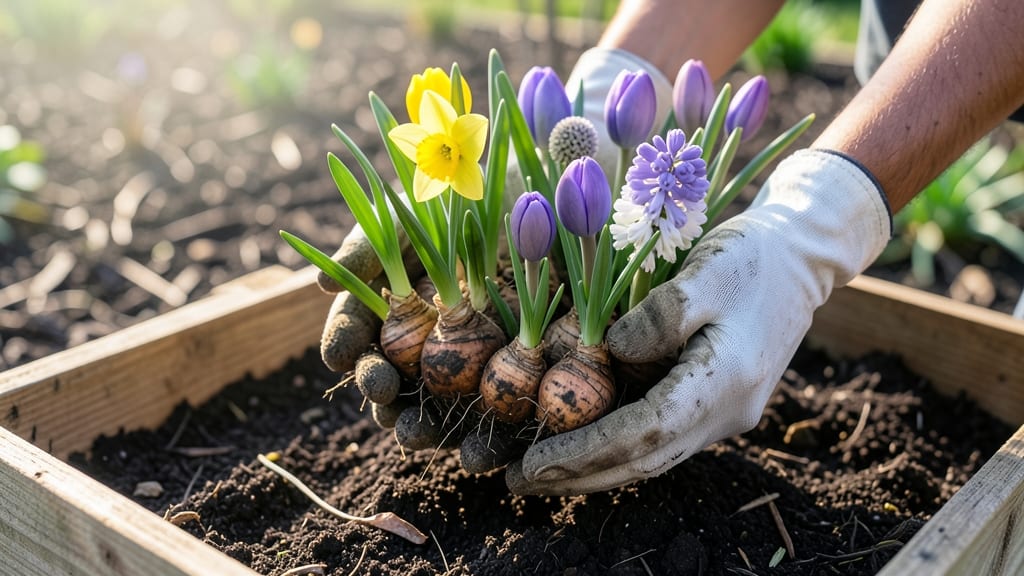
Planting bulbs in Boston at the wrong time can mean the difference between a garden bursting with color and a season of disappointment. The key to reliable spring blooms lies in understanding your USDA Zone 6b climate—where timing matters more than you might think.
Most gardeners know fall is the prime window for planting 🌱 bulbs, but Boston’s unpredictable frost dates (usually around October 20) demand precision. Plant too early, and tender roots may freeze; too late, and your garden could miss the blooms entirely.
Here’s how to get it right every time.
Whether you’re dreaming of tulips, daffodils, or hyacinths, the 6-8 week rule before the ground freezes is your best friend. That means digging in between September and mid-November, with October as the sweet spot for most varieties.
But what if you’re late? We’ll cover backup strategies so you don’t lose the season.
Beyond dates, we’ll tackle soil prep, depth, and Boston-specific tricks—like choosing cold-hardy varieties and protecting bulbs from late freezes. By the end, you’ll have a foolproof plan to turn your garden into a springtime showstopper.
Best months to plant spring-blooming bulbs in Boston’s Zone 6b climate
In Boston’s Zone 6b climate, timing is everything when planting bulbs for spring blooms. The ideal window is 6-8 weeks before the first frost, which typically lands between mid-September and mid-November.
This schedule ensures bulbs establish roots before winter dormancy. Missing this window risks weak growth or no blooms at all—don’t let Boston’s chilly springs catch you off guard!
Most gardeners in Boston focus on fall planting for spring-flowering bulbs like tulips, daffodils, and crocuses. These bulbs need cold exposure to trigger blooming, making fall the perfect time.
However, late fall freezes (common in Boston) can complicate things. Planting too early may expose bulbs to soil moisture that can rot tender roots before they harden.
Boston’s microclimates add another layer of complexity. Areas like Back Bay (warmer, urban heat island) may allow slightly later planting, while Dorchester or Revere (cooler, near water) require earlier action. Always check your local frost date averages—aim to finish planting by October 15th to stay safe.
For those who miss the fall window, spring planting is possible but less reliable. Plant tulip bulbs in March or daffodil bulbs in early April for late-season blooms, though yields may be smaller.
This method works best for hardier varieties like Tulipa tarda or Narcissus ‘Ice Follies’, which tolerate Boston’s late frosts.
Soil temperature is your best guide. Bulbs should go into cooler soil (below 60°F)—a sign fall’s chill is setting in. Use a soil thermometer to monitor; in Boston, this usually happens by late September.
Warmer soils (above 65°F) can spur early root growth, leaving bulbs vulnerable to late-season heat stress.
Here’s the golden rule for Boston gardeners: Plant bulbs between September 15th and October 15th. This window balances root establishment with frost protection. For early bloomers like crocuses, push the deadline to early November—they’re more cold-tolerant and can handle Boston’s November frosts.
| Bulb Type | Ideal Planting Window | Boston-Specific Notes |
|---|---|---|
| Tulips | Sep 15 – Oct 15 | Plant early for Back Bay; late Oct risk in Dorchester. |
| Daffodils | Sep 1 – Nov 1 | Hardier; extend to early Nov for late frosts. |
| Crocuses | Oct 1 – Nov 15 | Love cold; plant late for winter color. |
| Alliums | Sep 15 – Oct 30 | Tolerate partial shade; great for under trees. |
If you’re planting in containers, adjust timing slightly. Pots warm up faster, so plant 2-3 weeks earlier (by September 1st) to mimic in-ground conditions. Use well-draining soil mixes with perlite or sand to prevent rot—Boston’s wet springs can turn containers into soggy traps.
Pro tip: Mark your calendar for the Boston Flower Show in early March. It’s a great reminder to check your bulbs’ progress—if you see green shoots, your timing was perfect!
For late bloomers, consider late-season varieties like Tulipa ‘Darwin Hybrid’, which thrive in Boston’s cool springs and often bloom 2-3 weeks later than early types.
Finally, don’t forget soil prep. Boston’s clay-heavy soil benefits from compost or sand amendments to improve drainage. Mix in bone meal (5-10-10 NPK) at planting for a nutrient boost—your bulbs will thank you with vibrant, long-lasting blooms next spring. 🌷
How to adjust planting dates for fall-blooming bulbs in Boston
Boston’s Zone 6b climate demands precision when planting fall-blooming bulbs like daffodils and hyacinths. These varieties need 6-8 weeks of chilling before spring growth, so timing is critical.
Plant too early, and bulbs may sprout before winter’s chill sets in; too late, and they won’t get enough cold exposure to bloom properly. Here’s how to nail the window for reliable spring flowers.
Most spring-flowering bulbs (tulips, daffodils, crocuses) should be planted between mid-September and mid-November in Boston. This aligns with the 6-8 week rule before the ground freezes—typically around October 20.
However, Boston’s microclimates (like warmer Back Bay vs. cooler Dorchester) can shift this by 1-2 weeks. Adjust for your specific location using the USDA Plant Hardiness Zone Map.
Soil temperature is your best guide. Bulbs thrive when soil temps drop to 50°F (10°C)—usually by early October. Use a soil thermometer to confirm before planting. If temps stay above 60°F (15°C), bulbs may sprout too soon and get damaged by early frost. In such cases, delay planting until soil cools or use shade cloth to protect newly planted areas.
⚠️ Pros and Cons of Adjusting Planting Dates
✅ Ideal Planting Window (Mid-Sept - Mid-Nov)
- Pros: Bulbs get full chilling; stronger roots
- Pros: Lower risk of frost damage
- Pros: Better bloom size next spring
❌ Extended Window (Late Nov - Early Dec)
- Cons: Reduced chilling time; weaker blooms
- Cons: Higher frost risk if ground isn’t frozen
- Cons: Bulbs may sprout too early in spring
🔄 Late Planting (Jan - Feb)
- Pros: Works for summer-blooming bulbs (e.g., dahlias)
- Cons: Spring-bloomers won’t flower that year
- Cons: Bulbs need extra care in pots
For late fall plantings (November-December), focus on cold-hardy varieties like Tulipa tarda or Narcissus ‘Ice Follies’. These tolerate shorter chilling periods better than delicate tulips. If planting after December 1, use mulch (4-6 inches) to insulate bulbs from temperature swings.
In Boston’s urban areas, sidewalks and driveways can stay warmer—plant these spots last to avoid premature sprouting.
Protect bulbs from late fall freezes (common in Boston’s Zone 6b) by covering planting areas with straw or leaves once temps drop below 32°F (0°C). Remove mulch in early spring (March) to allow sunlight to reach emerging foliage.
Avoid heavy mulch in well-draining soil, as it can cause rot. For container-grown bulbs, move pots to a garage or unheated basement during extreme cold snaps.
Test your soil’s drainage and pH before planting—Boston’s clay-heavy soil often needs amendment with compost or sand to prevent waterlogging. Aim for a pH of 6.0-7.0; test kits are available at local nurseries like Wayland’s Greenhouse.
Plant bulbs 6 inches deep (or 3x their height) and space them 3-6 inches apart, depending on variety. Larger bulbs (like daffodils) need more space to prevent overcrowding.