
Planting
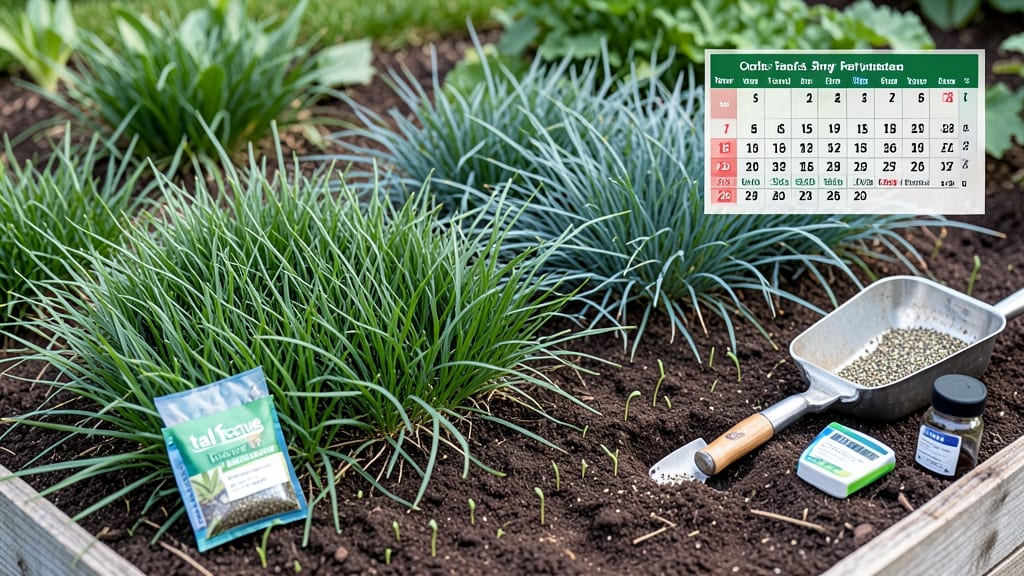
Planting grass seed in Ohio at the wrong time can leave you staring at bare patches all summer—but getting the timing right means a lush, green lawn that lasts.
The key isn’t just picking a random weekend in spring; it’s understanding how Ohio’s 6a-6b climate and unpredictable weather dictate the perfect window.
Cool-season grasses like Kentucky bluegrass and tall fescue thrive when soil temperatures hover between 50°F and 65°F, which in Ohio typically means early spring or late summer. Plant too early, and frost will kill your seedlings; too late, and summer heat will stress them before they take root.
I’ve learned from years of trial and error—some lawns took hold beautifully, while others struggled with uneven growth or weeds taking over. The secret? Timing your planting 4-6 weeks before frost in fall or 2-4 weeks after the last frost in spring, paired with proper soil prep.
In this guide, I’ll walk you through the exact months to plant, how to prep your soil, and what to watch for to avoid common mistakes. Let’s turn that patchy lawn into the envy of the neighborhood—starting with the right timing.
Best planting windows for Ohio grass seed: cool-season timing explained
Ohio’s cool-season climate makes fall and spring the perfect windows for planting Kentucky bluegrass, tall fescue, and perennial ryegrass. The key is timing your planting when soil temperatures hover between 50°F and 65°F—this ensures strong germination before extreme heat or cold sets in.
Most Ohio gardeners achieve the best results by planting between mid-September and early October for fall or late March to early April for spring. These windows give your grass seed 6-8 weeks to establish roots before winter dormancy or summer stress arrives.
If you’re unsure about exact dates, use Ohio’s average last frost date (mid-April) and first frost date (mid-October) as your guide. Planting 4-6 weeks before frost in fall or 2-4 weeks after frost in spring maximizes success rates.
| Planting Window | Ideal Months | Soil Temp | Key Considerations |
|---|---|---|---|
| Early Fall | September-October | 50°F-65°F | Cool nights, warm days; minimal weeds |
| Late Spring | March-April | 55°F-65°F | Avoid planting too early when soil is still cold |
| Overseeding | Late August-Early September | 60°F-70°F | Best for repairing thin lawns before winter |
For northern Ohio, where winters are colder, focus on late August to early October planting. Southern Ohio’s milder winters allow for slightly later fall planting up to mid-November, but avoid planting when frost is imminent.
If you miss the ideal windows, consider overseeding in late summer (August) to fill in thin spots. This works well for perennial ryegrass, which germinates quickly in warm soil. Just be prepared for potential weed competition during summer’s peak growing season.
Always check your local USDA zone (6a-6b) for precise frost dates, as microclimates can vary by just 10-15 miles. For example, Columbus typically has a later last frost than Cleveland, so adjust your timeline accordingly.
Pro tip: Use a soil thermometer to verify temperatures before planting. If soil is below 50°F, wait a week or two—cold soil slows germination and invites disease. For best results, aim for 60°F-65°F soil temperatures.
Remember, Ohio’s humidity and clay-heavy soils mean consistent moisture is critical after planting. Water lightly twice daily for the first week to keep seeds moist but not waterlogged. Once sprouts appear (typically 7-14 days), increase to 1 inch of water per week.
Timing your grass seed planting right in Ohio isn’t just about the calendar—it’s about understanding how your local climate interacts with your grass type. With the right window, you’ll be rewarded with a lush, resilient lawn that handles Ohio’s hot summers and cold winters like a pro. 🌱
Ohio grass seed planting mistakes to avoid: common pitfalls and fixes
Ohio’s cool-season grasses like Kentucky bluegrass and tall fescue thrive when planted at the right time, but even small mistakes can derail your dream lawn. I’ve seen brown patches and thin spots from well-meaning gardeners who missed key steps—don’t let that happen to you!
The biggest mistakes often start with wrong timing or poor soil prep, both of which can leave your seeds struggling to germinate.
Planting too early in spring or too late in fall is a classic blunder. If you sow seeds when soil temperatures are still below 50°F, germination slows dramatically. Similarly, planting just weeks before winter means tender seedlings won’t establish roots before frost hits.
Ohio’s USDA Zone 6a-6b climate demands precision—aim for 4-6 weeks before the first frost in fall or 2-4 weeks after the last frost in spring. Miss this window, and you’ll end up with patchy, weak grass that’s vulnerable to weeds and disease.
Another frequent mistake is skipping soil preparation. Many gardeners assume they can just sprinkle seeds on existing grass or compacted soil and expect success. But Ohio’s clay-heavy soils need aeration to allow seeds to make contact with moisture and nutrients.
Before planting, rake the area to a fine tilth and consider core aeration if your lawn has heavy foot traffic. Without proper prep, seeds may not germinate evenly, leading to uneven growth and bare spots that weeds love to invade.
Fix it: Test soil pH (aim for 6.0-7.0), aerate, and remove debris before planting. Weeds are another sneaky saboteur. If you overseed an existing lawn without first controlling weeds, they’ll compete with your new grass for water and nutrients. Use a pre-emergent herbicide 4-6 weeks before planting to stop weed seeds from germinating, or spot-treat existing weeds with a post-emergent herbicide like glyphosate (apply at least 2 weeks before sowing seeds). Without this step, your grass seed may struggle to establish, leaving you with a mixed lawn of grass and weeds. Even after planting, many gardeners make the mistake of inconsistent watering. New grass seeds need consistent moisture to germinate—skipping watering for just a few days can dry them out. Water lightly twice daily (morning and evening) for the first week to keep the soil surface moist, then gradually reduce to 1 inch per week. Avoid watering at night, as this can promote fungal diseases like brown patch. Use a rain gauge or tuna can to measure water depth—most garden hoses overwater without you realizing it! Finally, don’t overlook the importance of seed depth and coverage. Planting seeds too deep (more than ¼ inch) or too shallow (less than ⅛ inch) can prevent germination. Use a spreader for even distribution, and lightly rake seeds into the soil to ensure good contact. If you’re overseeding, aim for ½ the recommended rate since some seeds may not reach the soil. After planting, apply a light mulch (like straw) to retain moisture and protect seeds from drying out or washing away. The key to a lush Ohio lawn starts with avoiding these common mistakes. By timing your planting just right, prepping the soil properly, and giving your seeds the care they need, you’ll set your lawn up for success—no brown patches or weed battles in sight! 🌱⚠️ Warning: Avoid These 3 Costly Mistakes