
Plants
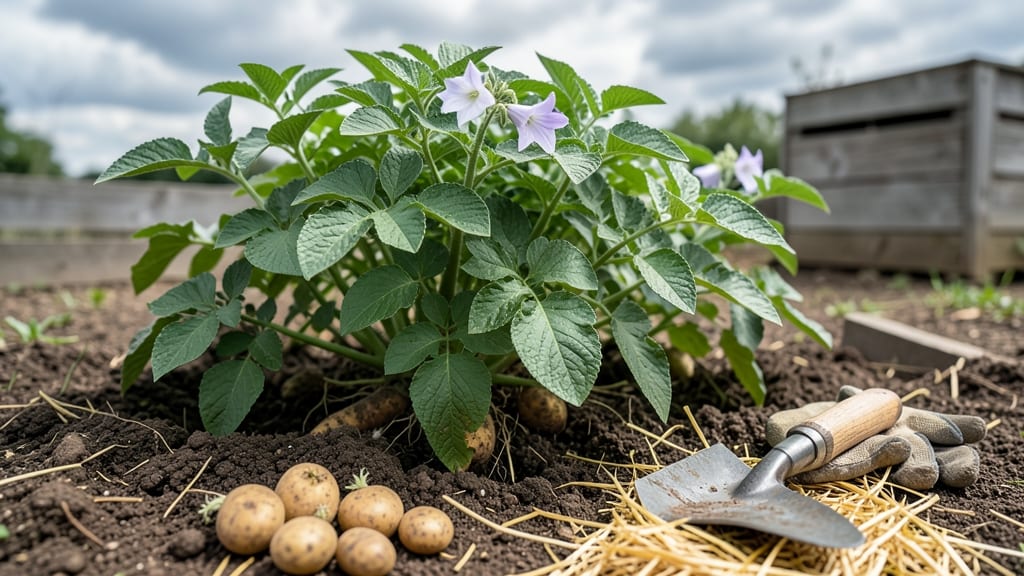
Planting potatoes in Florida at the wrong time can turn your garden dreams into a sweaty, stunted mess—especially when the sun hits 90°F before your spuds even sprout.
The key isn’t just avoiding frost (which barely exists here) but timing it so your 🥔 thrive in Florida’s brutal heat without wilting or rotting.
Most gardeners assume Florida’s warm weather means potatoes can go in anytime, but that’s a recipe for disaster. I’ve seen firsthand how planting too early leads to disease, while waiting too long risks heat stress before harvest.
The real secret? Knowing your heat zone and adjusting for Florida’s quirky microclimates—whether you’re in steamy South Florida or the slightly cooler North.
In this guide, I’ll break down the exact planting windows that work for Florida’s unique conditions, from early spring escapes to late-season tricks. You’ll learn how to beat humidity, avoid common pitfalls, and pick the best varieties for your patch of paradise.
Ready to grow potatoes that actually survive Florida’s summer? Let’s dive into the heat-zone safe dates that’ll have you harvesting before the next hurricane season rolls in.
Florida’s 3 ideal potato planting windows by heat zone (with exact months)
Florida’s unique microclimates mean planting potatoes at the right time can mean the difference between a bountiful harvest and wasted effort. Unlike northern states, Florida’s USDA zones 8-11 allow year-round growth—but heat stress and humidity create critical windows.
I’ve broken down the three best planting periods based on Florida’s heat zones, including adjustments for North, Central, and South Florida.
For North Florida (zones 8a-8b), the safest window starts in late February to early March, when soil temperatures stabilize above 55°F (13°C). This aligns with the first frost-free period and avoids early-season heatwaves that can scorch young tubers.
Central Florida (zones 9a-9b) gardeners should aim for mid-March to early April, while South Florida (zones 10a-11) can plant as early as January—but with heat-tolerant varieties.
Why timing matters: Potatoes thrive in cool to moderate temperatures (60-75°F / 15-24°C). Planting too early risks cold soil, which stunts root development, while planting too late exposes them to summer heat stress, causing hollow heart disease or poor tuber formation. Florida’s unpredictable weather adds another layer—hurricane season (June-November) can drown crops, and prolonged rain increases blight risks.
Here’s the exact breakdown of Florida’s planting windows by region, including soil prep tips and harvest estimates:
| Region | Heat Zone | Best Planting Window | Soil Temp Goal | Harvest Window | Key Risk |
|---|---|---|---|---|---|
| North Florida | USDA 8a-8b | Late Feb–Early Mar | 55–60°F (13–16°C) | May–June | Early heatwaves |
| Central Florida | USDA 9a-9b | Mid-Mar–Early Apr | 60–65°F (16–18°C) | June–July | Hurricane season |
| South Florida | USDA 10a-11 | Jan–Feb | 65–70°F (18–21°C) | March–April | Blight from humidity |
For North Florida, I recommend planting seed potatoes in late February to give tubers time to mature before summer heat sets in. Use black plastic mulch to warm soil faster and row covers if nights dip below 50°F (10°C).
In Central Florida, aim for early April to avoid the April heat spike, which can cause tuber deformities. South Florida’s January window is ideal for fast-maturing varieties like ‘Red Pontiac,’ which can harvest in 75–90 days before summer stress kicks in.
Pro tip: Test soil temperature with a soil thermometer before planting—below 55°F (13°C) slows germination, while above 80°F (27°C) stresses tubers. In high-humidity zones, add sand or perlite to improve drainage and reduce disease pressure.
I’ve also found that shade cloth (30-50%) during peak summer can extend the growing season for a fall harvest in North Florida.
If you’re in South Florida, consider a second planting in September for a winter harvest. The cooler months (Dec-Feb) mimic ideal potato-growing conditions, and you’ll avoid hurricane season risks. Just be prepared to mulch heavily to protect tubers from winter rains and soil compaction.
For container growing, Florida’s planting windows shift slightly—start 4–6 weeks earlier in pots to account for faster soil warming. Use large containers (12"+ deep) with well-draining mix and fertilize every 2 weeks with a balanced 10-10-10 to compensate for limited root space.
Remember: Florida’s climate is unpredictable. Always monitor 7-day forecasts and adjust planting dates if heatwaves or storms are forecasted. Next, we’ll cover how to shift planting dates based on real-time weather risks—including how to
How to adjust planting dates for Florida’s unpredictable weather (heat stress & rainfall risks)
Florida’s weather is famously unpredictable—one day it’s a scorching 95°F heatwave, the next it’s a drenching hurricane warning. If you plant potatoes at the wrong time, you’ll end up with either soggy tubers or heat-stressed foliage that never produces.
The key is flexibility: shifting your planting schedule based on real-time conditions rather than sticking to a rigid calendar.
For example, if your area gets an early heatwave in March, don’t wait until April—plant certified seed potatoes as soon as the soil warms to 60°F (use a soil thermometer).
Conversely, if June’s forecast predicts heavy rains, delay planting until after the storm season peaks in September to avoid waterlogged soil.
Here’s my go-to rule: Plant potatoes when the average daily high is between 70°F and 80°F. This range gives your tubers time to establish roots before the real summer heat kicks in.
Use the National Weather Service’s 7-day forecast to spot trends—like a sudden drop in humidity—that might signal a safe window.
Another critical factor is hurricane season. If you’re in South Florida, avoid planting from June to November unless you’re using raised beds with drainage.
In North Florida, the risk is lower, but prolonged rainfall can still cause rot, so time your planting to miss the wettest months.
🌱 Pro Tip: If you’re unsure about timing, opt for fast-maturing varieties like ‘Red LaSoda’ (60-70 days) or ‘Yukon Gold’ (75-90 days). These can be planted in late spring and harvested before the worst heat arrives.
For a fall crop, aim for August planting in North Florida or September in South Florida.
🌧️ Watch Out For: Planting during Florida’s "wet season" (May-October) without proper drainage. Even if the forecast looks clear, hidden humidity can lead to blight or scab in your potato patch.
If you must plant during this time, use mulch heavily to keep soil moisture even and improve airflow around plants.
Finally, don’t forget to monitor your soil temperature—not just the air temperature. Potatoes need soil that’s at least 50°F to sprout, but 60°F+ is ideal for root development.
If your soil is too cold, your potatoes will rot before they even form. Use a soil thermometer ($10 at garden centers) to check before planting.
⚠️ Heat Stress Warning
Never plant potatoes when daytime highs exceed 85°F for more than a week. At these temperatures, potatoes stop producing tubers and focus only on leaf growth. If you’re in South Florida and it’s already 90°F+, switch to shade-cloth or wait until fall.
Signs of heat stress: Yellowing leaves, stunted growth, or premature flowering (which means small, underdeveloped tubers).
Adjusting your planting dates based on Florida’s weather quirks is the difference between a bountiful harvest and a disappointing failure. Start by checking your local USDA heat zone (Florida ranges from 8a to 11), then use the 7-day forecast to fine-tune your timing.
With the right approach, you can grow potatoes in Florida twice a year—once in spring and once in fall—without the usual risks.