
Plants
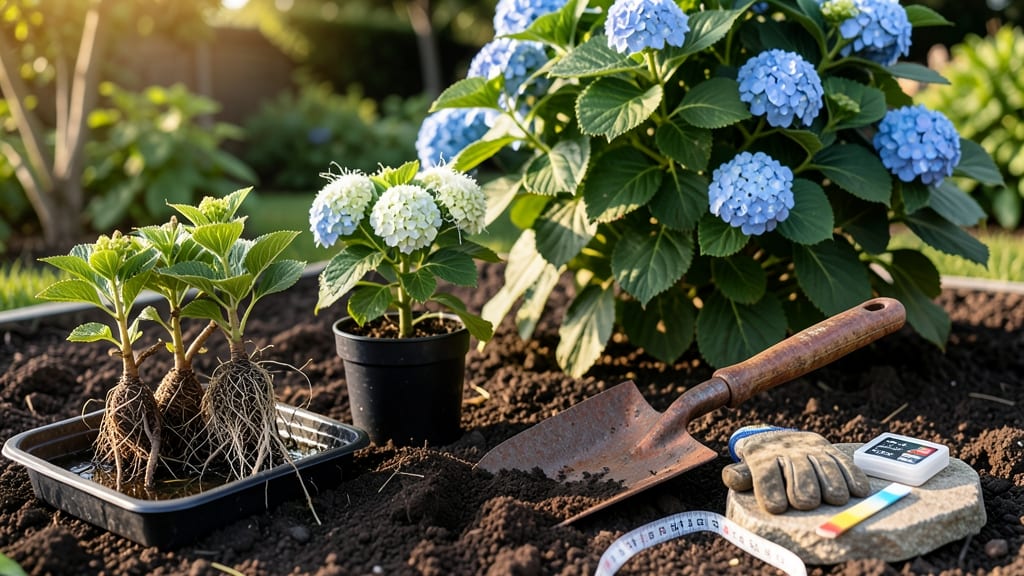
Planting hydrangeas in the Northeast at the wrong time could mean the difference between a stunning 🌸 display and struggling shrubs fighting frost.
The best time to plant hydrangeas in the Northeast isn't just about seasons—it's about avoiding those sneaky late frosts that can sneak in and sabotage your hard work.
If you're torn between spring and fall planting, you're not alone. Many gardeners in USDA Zones 5-7 wonder which season gives their hydrangeas the strongest start. The answer depends on when your last frost hits and how quickly you can get those roots established before winter sets in.
I've learned the hard way that planting too early in spring risks exposing young plants to unexpected cold snaps, while waiting too late in fall can leave them vulnerable before they've had time to settle in.
Let me walk you through the ideal windows for both seasons and how to give your hydrangeas the best shot at thriving.
You'll discover exactly when to plant for zero-frost success, whether you're working with in-ground beds or containers. Plus, I'll share my top tips for protecting your new shrubs once they're in the ground—because even the best timing won't matter if you don't prepare for winter.
Spring vs fall planting: which season offers zero-frost success for hydrangeas?
If you're a Northeast gardener, choosing the right time to plant hydrangeas can make or break your shrub's survival. The Northeast's unpredictable frost dates (ranging from late March in Zone 7 to late April in Zone 5) demand careful timing.
Both spring and fall offer advantages, but one season gives your hydrangeas a critical head start against winter.
Fall planting is often the gold standard for hydrangeas in cold climates. When planted in September or early October, roots establish before winter dormancy, giving you hardier plants by spring. This method also avoids the late spring frost risks that can kill young, tender shoots.
Spring planting, however, works if you're in a warmer microclimate (Zone 6-7) and can plant after the last frost date (mid-April). The key is ensuring the soil is at least 60°F—hydrangeas despise cold, wet soil.
But be warned: spring-planted hydrangeas may struggle to bloom their first year as they focus on root growth.
Here’s the critical difference: Fall-planted hydrangeas enter dormancy with a stronger root system, while spring-planted ones must race to establish roots before summer heat sets in. For the Northeast, where winters are harsh, fall planting is the safer bet.
| Factor | Fall Planting (Sept-Oct) | Spring Planting (May-June) |
|---|---|---|
| Root Establishment | Strong before winter | Slower; summer heat stress |
| Frost Risk | Low (roots dormant) | High (late frosts kill tender shoots) |
| First-Year Blooms | Possible (if planted early) | Unlikely (focuses on roots) |
| Soil Temp Requirement | Cool (50-60°F) | Warm (60°F+) |
| Best For Zones | 3-7 (Northeast) | 6-7 (warmer microclimates) |
For Northeast gardeners in Zones 3-5, fall planting is the clear winner. The 6-8 week window before frost (typically September through early October) lets roots establish without competing with summer heat. In contrast, spring planting in these zones risks late frosts killing young plants.
If you opt for spring planting, time it after your last frost date and choose a sheltered location to protect against cold snaps. Always test soil temperature with a soil thermometer—hydrangeas won’t thrive in cold, soggy soil.
For container-grown hydrangeas, spring planting can work if you harden off plants gradually and avoid transplant shock.
Pro tip: If you miss fall planting, container-grown hydrangeas can be planted in late spring (May-June), but they’ll need extra care—like consistent watering and mulching to protect roots. The Oakleaf hydrangea and Annabelle hydrangea are top picks for cold climates due to their disease resistance.
Remember, hydrangeas are not frost-tolerant when actively growing. Whether you plant in spring or fall, the goal is to minimize stress and give roots time to anchor before winter. For the Northeast, that almost always means fall—but spring can work if you’re prepared for challenges.
🌸
Spring vs fall planting: which season offers zero-frost success for hydrangeas?
When planting hydrangeas in the Northeast, timing is everything—especially with frost risks that can turn a thriving shrub into a frozen mess. Both spring and fall have advantages, but one season gives your hydrangeas a head start on root growth before winter arrives.
Let’s break down the pros and cons for USDA Zones 5-7, where late frosts and early freezes are the norm.
Fall planting (late September to early October) is often the gold standard for hydrangeas. Why? Because cooler soil temperatures and consistent moisture help roots establish before dormancy. In Zone 5, this means planting 6-8 weeks before frost—just enough time for roots to anchor before winter.
Plus, fall-planted hydrangeas get a full growing season to bloom next year.
Spring planting (late April to early June) works too, but it’s riskier. If you plant too early, late frosts can damage tender roots. Aim for after your last frost date—typically mid-April in Zone 7 or late April in Zone 5.
The downside? Spring-planted hydrangeas may struggle to bloom their first year as they focus on root growth.
🌸 Spring vs Fall Planting Comparison
| Factor | Spring Planting | Fall Planting |
|---|---|---|
| Best Time | Late April–early June | Late September–early October |
| Root Growth | Slower, first-year blooms rare | Faster, blooms next year |
| Frost Risk | High (late frosts) | Low (6-8 weeks before frost) |
| Watering Needs | High (hot, dry soil) | Moderate (cooler temps) |
| Best For | Missed fall window | Zero-frost success |
For Northeast gardeners, fall planting wins for hardiness and bloom potential. However, if you missed the fall window, spring planting still works—just mulch heavily and water deeply to compensate for slower root growth.
Pro tip: Bigleaf hydrangeas (like 'Annabelle') handle cold better than panicle hydrangeas, making them ideal for Zone 5.
One mistake I see often? Planting hydrangeas in hot summer months (July-August). The stress from transplant shock + heat = wilting disasters. Stick to the spring or fall windows, and your hydrangeas will thank you with bold blooms for years.
Ready to pick your season? Fall is your safest bet, but spring can work if you’re prepared for extra care. Just remember: soil temp matters—aim for 60°F+ when planting to avoid shock.