
Companion Plants
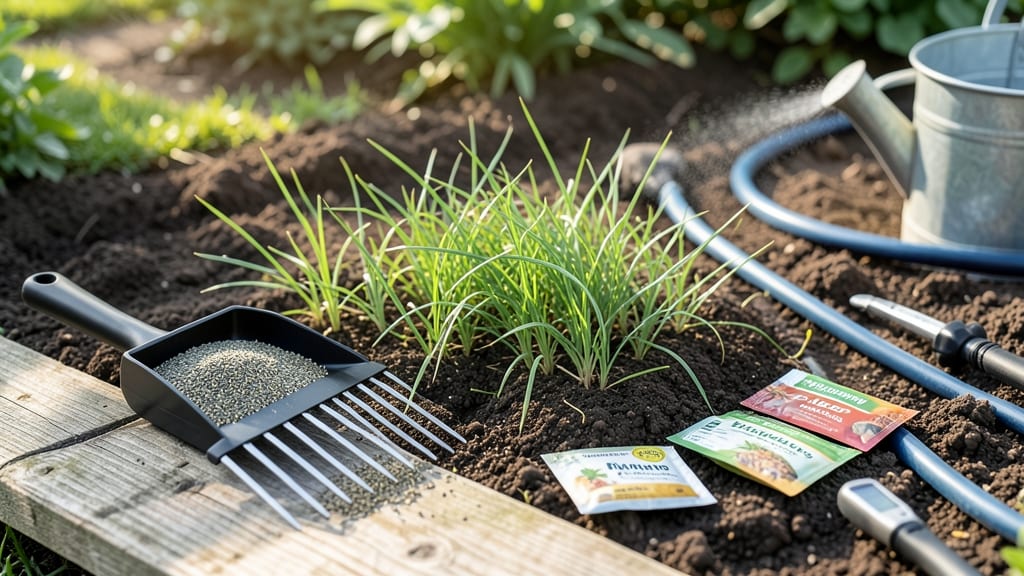
Planting grass seed at the wrong time in spring can turn your green dreams into a patchy nightmare—too early and frost will kill your efforts, too late and weeds take over.
The sweet spot? When soil temperatures hit 55-65°F and your last frost date is at least 4-6 weeks behind you.
For most of us in USDA Zone 6a, that means aiming for early to mid-April, but your exact window depends on local microclimates and grass types. Cool-season grasses like Kentucky bluegrass thrive when planted in early spring, while warm-season varieties like Bermuda prefer late spring warmth.
I’ve learned the hard way that rushing the process leads to wasted seeds and slow germination. The key is balancing soil warmth, moisture, and frost risk—so let’s break down exactly when to plant for a lawn that’s thick, green, and weed-free from day one.
Whether you’re seeding a new yard or repairing bare spots, timing matters more than you think. Stick with me, and I’ll show you how to read your soil’s signals and avoid the 3 biggest spring planting mistakes that sabotage even the best-intentioned gardeners.
Optimal spring soil temperatures for planting grass seed
Planting grass seed at the right soil temperature is the secret to strong germination and a thick lawn. Cool-season grasses like Kentucky bluegrass and fescue thrive when soil hits 50-65°F, while warm-season varieties such as Bermuda and Zoysia need 65-75°F.
Timing these temperatures correctly in spring ensures your seeds don't rot or dry out before sprouting.
To test your soil temperature, use a soil thermometer (insert 2-3 inches deep) for 3-5 days to spot trends. Early spring mornings can be misleading—soil warms up faster than air temperatures.
In USDA Zone 5, for example, soil may hit 55°F by mid-April, while Zone 9 could reach 70°F as early as February. Microclimates matter too: South-facing slopes warm faster than shaded areas.
For cool-season grasses, aim to plant when soil is consistently 55-65°F—typically 4-6 weeks before your last frost date.
This gives seeds time to germinate before summer heat arrives. Warm-season grasses, on the other hand, should go in when soil is 65-75°F, usually after your last frost, to avoid cold stress. Skipping this step can lead to slow germination or seedling death.
| Grass Type | Ideal Soil Temp | Spring Planting Window | Key Tip |
|---|---|---|---|
| Cool-Season (Kentucky Bluegrass, Fescue) | 50-65°F | Early to mid-spring (4-6 weeks before last frost) | Test soil temp at 2" depth for 3 days. |
| Warm-Season (Bermuda, Zoysia, St. Augustine) | 65-75°F | Late spring (after last frost) | Wait for consistent warmth to avoid cold shock. |
| Tall Fescue (Drought-Tolerant) | 55-70°F | Early to late spring (flexible window) | Tolerates wider temp ranges for germination. |
| Ryegrass (Fast-Germinating) | 45-65°F | Early spring (as soon as soil is workable) | Germinates in 5-14 days—great for quick cover. |
Regional differences play a huge role. In northern climates (Zones 3-5), soil may not warm enough until late April or early May.
Meanwhile, southern zones (7-10) can plant as early as February, but avoid planting when daytime highs exceed 85°F—this causes seeds to dry out before germinating. Use a lightweight row cover if early planting is risky in your area.
Don’t rely solely on calendar dates—your local cooperative extension service can provide soil temperature data for your region. For example, in Zone 6, planting tall fescue in early April (soil ~55°F) often yields better results than waiting until May.
The key is balancing warmth, moisture, and frost risk to give seeds the best shot at success.
If your soil is too cold, delay planting until temperatures rise. If it’s too hot, wait for evening temps to drop below 80°F. Pro tip: Use a soil warming trick like black plastic mulch to raise temperatures in cooler climates. Just remove it once seeds sprout to avoid overheating.
Once you’ve nailed the soil temperature, pair it with proper moisture (keep soil damp but not soggy) and light fertilization (use a starter fertilizer with high phosphorus) to boost root growth. These three factors—temperature, water, and nutrients—are your lawn’s foundation for a head start.
Remember, cool-season grasses planted too late in spring may struggle with summer heat, while warm-season grasses planted too early risk frost damage. Your goal is to give seeds 4-6 weeks of ideal conditions before summer or winter stress sets in.
With the right timing, you’ll see uniform germination in 7-21 days, depending on the variety.
For a quick check, press your finger into the soil—if it feels cool but not icy, and moisture clings to your finger, it’s likely in the 50-65°F range.
Combine this with your local frost data, and you’re ready to plant with confidence. The payoff? A thicker, greener lawn that outcompetes weeds from day one.
Frost-free timeline: how many days after last frost should you plant?
Understanding your local frost-free window is critical for timing grass seed planting. In most USDA Zones 5-8, aim to plant 4-6 weeks after the last frost date—this gives seeds time to germinate before summer heat stress.
For example, in Zone 6a, where last frost typically hits April 15, planting between May 1-15 is ideal.
Cooler zones (3-4) need earlier planting—3-4 weeks after frost—since shorter summers limit growth windows. Meanwhile, warmer zones (9-10) can plant as early as March, leveraging mild winters. Always check your local frost calendar or use the USDA Plant Hardiness Zone Map to pinpoint your exact window.
🌱
Planting too early risks frost damage to tender seedlings, while planting too late can lead to summer dormancy or weed competition. For example, in Zone 6a, planting after June 1 often results in slow germination due to heat stress.
Use a soil thermometer to confirm temps are 55-65°F—this is your final green light.
Pro tip: If your area has unpredictable spring weather, opt for cool-season grasses (like Kentucky Bluegrass or Fescue) in early spring or warm-season grasses (like Bermuda or Zoysia) in late spring. Both thrive when planted within their optimal frost-free windows.
🌡️