
Flowers
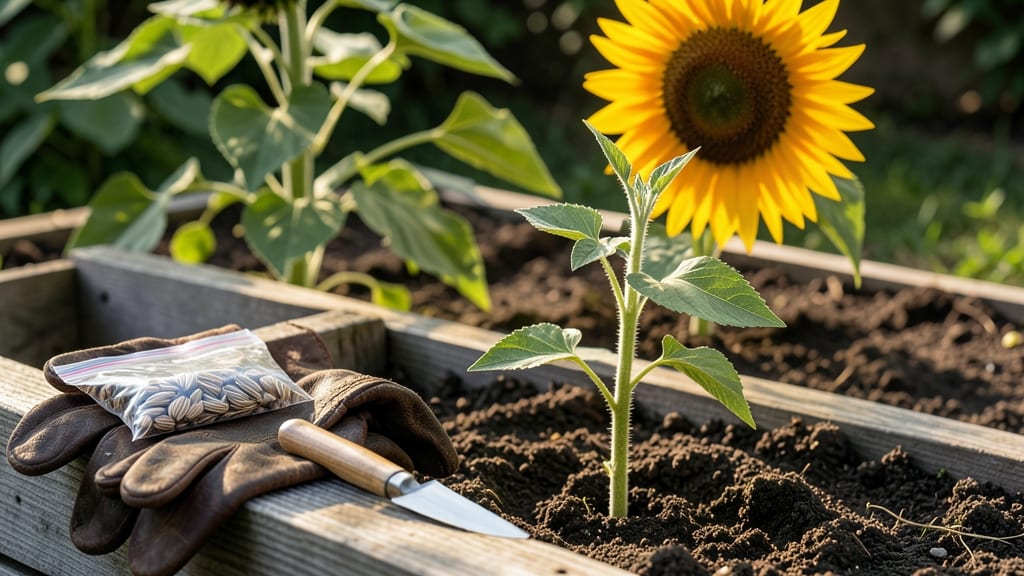
Planting sunflowers in Missouri at the wrong time can mean waiting weeks for those cheerful 🌻 blooms—or worse, watching them fail entirely. The key to fast germination and towering stems lies in understanding your local climate and soil conditions, especially in zones 5b-6b where spring can be unpredictable.
Most gardeners in Missouri know the mid-April to early June window is ideal, but timing isn’t one-size-fits-all. Whether you’re growing dwarf varieties for containers or giant sunflowers reaching 14 feet, soil temperature and frost dates play a bigger role than you might think.
In this guide, I’ll break down exactly when to plant for fast germination—as little as 7 days—plus tips to adjust for late frosts, heatwaves, and Missouri’s unique microclimates. You’ll also discover which sunflower types thrive best in your region.
Ready to grow sunflowers that burst into bloom? Let’s get your seeds in the ground at the perfect moment for maximum height and vibrant color—no guesswork required.
Best planting months for sunflowers in Missouri based on hardiness zones
Missouri’s USDA hardiness zones 5b-6b create a perfect balance for growing sunflowers (Helianthus annuus), but timing is critical.
Most gardeners in northern Missouri (zone 5b) should wait until mid-April to early May after the last frost, while southern Missouri (zone 6b) can start as early as late March if soil temperatures stay above 55°F.
This ensures fast germination (7-14 days) and strong stems to support those towering blooms.
Sunflowers thrive in Missouri’s 180 frost-free days, giving them plenty of time to mature. However, planting too early risks cold soil, which delays growth, while planting too late may result in smaller blooms before the first frost in mid-October.
The key is aligning your planting schedule with soil warmth and regional microclimates—like river valleys or urban heat islands that warm up faster.
For fastest germination, aim for soil temperatures between 60-70°F. In Missouri, this typically happens by early May in most areas, but you can use a soil thermometer to check.
If you’re in a warmer microclimate, like southeast Missouri, you might start as early as late April. Always plant seeds 1 inch deep and 6 inches apart for optimal spacing.
Here’s a quick breakdown of Missouri’s planting windows by zone:
If you’re unsure about your exact last frost date, check local Missouri climate data or use a frost calendar from your county extension office. For example, St. Louis (zone 6b) typically sees its last frost around March 25, while Kansas City (zone 5b) waits until April 10.
Planting too early in cooler zones can lead to rot or stunted growth, so always err on the side of caution.
For fastest results, consider starting seeds indoors 2-3 weeks before your target outdoor planting date. Use biodegradable pots to avoid transplant shock when moving them outside. Place seedlings in a sunny window or under grow lights to mimic Missouri’s 6-8 hours of daily sunlight once outdoors.
This head start gives you a 2-week advantage in the growing season.
Missouri’s humidity and summer heat can also affect planting timing. If you’re in western Missouri, where summers are drier, you might push planting to June for late-season varieties. Meanwhile, eastern Missouri’s higher humidity means prioritizing well-draining soil and morning watering to prevent fungal issues.
Always choose a sunny, open location with 6+ hours of direct sunlight for best results.
One common mistake is assuming all sunflowers should be planted at the same time. In reality, fast-maturing varieties (45-60 days) can go in as early as March (if soil is workable), while tall, late-blooming types (90+ days) need to be planted by mid-June to mature before frost.
Staggering plantings can extend your bloom season from July to October, giving you continuous color and seed production.
Pro tip: If you’re growing sunflowers for seeds or bird feed, prioritize late-summer planting (June) to ensure full maturity before the first frost. For cut flowers or early blooms, plant in April or May.
Always monitor your plants for Missouri-specific pests, like sunflower moths or beetles, and address them early to protect your blooms.
Best planting months for sunflowers in Missouri based on hardiness zones
Missouri’s USDA hardiness zones 5b-6b offer perfect conditions for sunflowers, but timing is critical for fast germination. The ideal window spans from mid-April to early June, aligning with soil temperatures of at least 55°F—the magic threshold for sprouting within 7-14 days.
Northern Missouri gardeners should wait until after the average last frost date (April 15), while southern regions can start slightly earlier.
Sunflowers thrive in Missouri’s 180 frost-free days, giving them ample time to mature. Planting too early risks frost damage, while late planting may result in smaller blooms or no flowers at all. The sweet spot is May, when soil warmth and daylight combine for optimal growth.
| Planting Window | Soil Temp | Germination Time | Regional Notes |
|---|---|---|---|
| Mid-April | 55°F+ | 7-14 days | Northern MO only; risk of frost |
| April 15-May 15 | 60°F+ | 5-10 days | Ideal for all zones; best growth |
| May 15-June 1 | 65°F+ | 3-7 days | Southern MO; heat-tolerant varieties |
| June 1-15 | 70°F+ | 3-5 days | Early-maturing varieties only |
For fastest germination, aim for 60°F+ soil temperatures. Use a soil thermometer to check—sunflowers won’t sprout below 50°F. In Missouri’s humid climate, well-draining soil is a must to prevent rot. Amend heavy clay soils with compost to improve aeration and moisture retention.
Missouri’s microclimates play a role too. Urban areas may experience heat islands, allowing earlier planting, while rural zones might need to wait for consistent warmth. Elevation also matters—higher areas like the Ozarks may need to delay planting by 1-2 weeks compared to the Missouri River valley.
Pro tip: Direct sowing is best for sunflowers—they hate transplanting. Scatter seeds 1 inch deep and 6 inches apart in rows 2 feet apart for optimal airflow. Thin seedlings to 12 inches apart once they’re 4 inches tall to prevent competition.
Once planted, sunflowers grow 1-2 inches per day in ideal conditions. With the right timing, you’ll see vibrant blooms by late July, just in time for summer’s peak beauty. 🌻