
Flowers
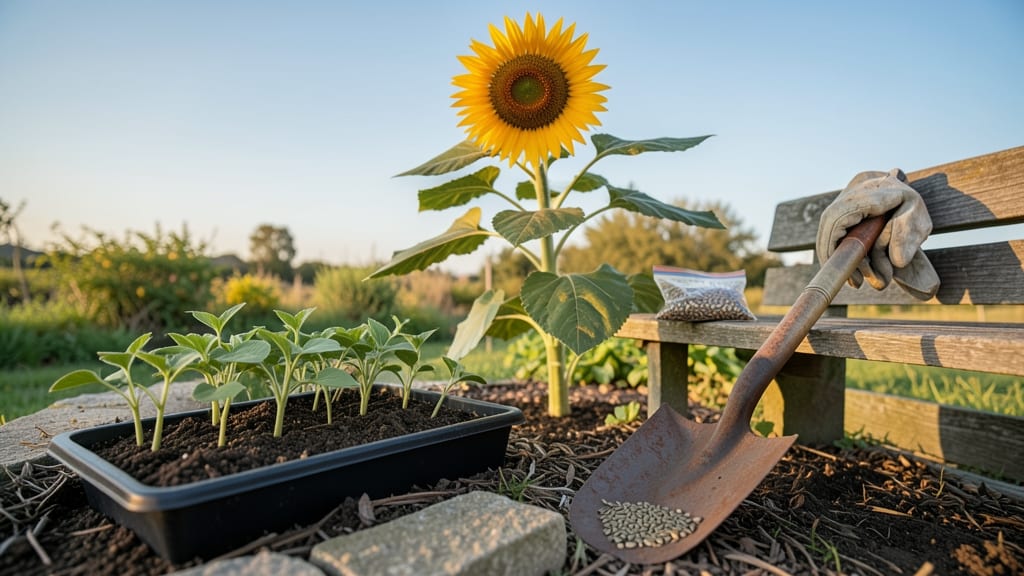
Planting sunflowers in Tennessee at the wrong time means watching your cheerful 🌻 stalks bolt before they ever bloom—frustrating, right?
The key to vibrant summer displays lies in understanding your local frost dates and soil warmth, especially in USDA Zones 6a-7b where conditions can shift dramatically between East Tennessee’s highlands and Middle Tennessee’s valleys.
Most gardeners in Tennessee plant sunflowers between mid-April and early June, but timing isn’t one-size-fits-all. In warmer West Tennessee (like Memphis), you can start as early as late March, while cooler East Tennessee (like Knoxville) may need to wait until after the last frost—typically around April 15.
Even a late planting in July can yield fall blooms if you choose quick-maturing varieties.
Why does this matter? Sunflowers thrive when soil temperatures hit at least 50°F, and planting too early risks frost damage. The right timing ensures strong stems, abundant blooms, and even edible seeds by late summer.
Whether you’re growing dwarf varieties for containers or towering giants for cut flowers, precision planting is the secret to a sunflower show that lasts from August through October.
Let’s break down the exact planting windows, variety recommendations, and microclimate adjustments to guarantee your sunflowers reach their full potential—no wasted seeds or wilted dreams.
You’ll discover how to time it perfectly for your corner of Tennessee, whether you’re in Nashville’s urban gardens or a rural farm in the Cumberland Plateau.
Best planting timeline for sunflowers in Tennessee’s USDA Zones 6 and 7
Tennessee’s USDA Zones 6a and 7b offer a 180-210 day frost-free season, perfect for sunflowers—but timing is everything. Plant too early, and frost will nip tender seedlings. Wait too long, and your bold blooms may arrive too late for peak summer color.
Let’s break down the ideal planting windows for both spring and fall crops in Tennessee.
Most Tennessee gardeners plant sunflowers between mid-April and early June, aligning with last frost dates that range from March 25 in Memphis to April 15 in Nashville.
However, soil temperature matters just as much as frost dates—wait until the soil warms to at least 50°F (about 10°C) for seeds to germinate properly.
For dwarf varieties like 'Teddy Bear' (3-4 ft tall), you can start as early as late March in West Tennessee’s warmer microclimates.
In contrast, giant varieties like 'Russian Giant' (10-14 ft tall) need a longer growing season, so plant them no later than mid-May to ensure they reach maturity before the first frost in mid-October.
🌱 Pro Tip: Use a soil thermometer to confirm readiness—sunflower seeds won’t sprout in cold soil, even if frost isn’t a risk.
| Planting Window | Best For | Soil Temp Requirement | Frost Risk | Harvest Time |
|---|---|---|---|---|
| Late March - Early April | Dwarf varieties (West TN only) | 50°F+ | Low (Memphis area) | Late July - August |
| Mid-April - Early May | Standard varieties (statewide) | 55°F+ | Moderate (Nashville) | August - September |
| Late May - Early June | Giant varieties (East TN) | 60°F+ | Low (long season) | September - October |
| Late July - Early August | Fall succession planting | 60°F+ | High (late season) | October (before frost) |
Don’t overlook fall planting! In Tennessee, you can sow sunflower seeds as late as early August for a late-season harvest before the first frost. This works best with fast-maturing varieties like 'Autumn Beauty' (50-60 days to maturity), which can bloom by October and provide seeds for next year’s garden.
If you’re in East Tennessee’s higher elevations (e.g., Knoxville), aim for mid-May planting to avoid late spring frosts. In West Tennessee’s warmer valleys (e.g., Jackson), you can start as early as early April for dwarf varieties. Always check your local Almanac frost dates—they’re your best guide!
🌻 Key Takeaway: Tennessee sunflowers thrive with two planting windows: spring (April-June) for peak summer blooms and late summer (July-August) for fall color. Adjust based on your USDA zone and variety height.
For container gardening, start seeds indoors 4-6 weeks before your last frost date (around mid-March for West TN). Use biodegradable pots to transplant seedlings outdoors without disturbing roots. This extends your growing season and gives you a head start on bold, early blooms.
Finally, succession planting every 2-3 weeks from April through July ensures a continuous display of sunflowers all summer long. Stagger your plantings by 10-14 days to enjoy blooms from July through October.
☀️ Remember: Sunflowers love full sun (6-8+ hours daily), so choose your sunniest garden spot for the best results.
Best planting timeline for sunflowers in Tennessee’s USDA Zones 6 and 7
Tennessee’s USDA Zones 6a-7b offer a 180-210 day frost-free growing season, perfect for sunflowers—but timing is everything. Plant too early, and frost will nip tender seedlings. Wait too long, and you’ll miss the 70-120 day maturity window for most varieties.
The ideal window spans mid-April through early June, with a secondary chance in late July for fall blooms.
Your exact planting date depends on your last average frost date. In Memphis (Zone 7b), you can start as early as March 25, while Nashville (Zone 7a) waits until April 15.
Higher elevations in East Tennessee (Zone 6a) should hold off until May 1 to avoid frost damage. Always check your local Almanac’s frost predictions for precision.
| Planting Window | Soil Temp Requirement | Variety Recommendations | Frost Risk |
|---|---|---|---|
| Mid-April to May 1 | 50°F+ | 'Moulin Rouge' (dwarf), 'Teddy Bear' | Low (after last frost) |
| May 15 to June 1 | 55°F+ | 'Russian Giant', 'Autumn Beauty' | None |
| Late July | 60°F+ | 'ProCut' (cut flowers), 'Sunspot' | Moderate (fall frost risk) |
For spring planting, aim to sow seeds 1 inch deep when soil reaches 50°F. Use a seedling heat mat if early planting is tempting—it can buy you 2-3 weeks of warmer soil.
I’ve found that direct sowing (not transplanting) gives sunflowers the strongest start, as they dislike root disturbance.
If you’re growing giant varieties like 'Russian Giant', start them 4-6 weeks earlier (around April 1) to ensure they reach maturity before first frost.
These towering beauties need the full growing season—120 days to harvest. For dwarf varieties, you can extend planting into early July for late-summer blooms.
Don’t forget about succession planting! Sow a second batch in late July for fall color. These sunflowers will bloom just as summer fades, giving you continuous blooms from June through October.
Just be mindful of first frost dates—Memphis’ October 25 cutoff is earlier than Nashville’s October 15.
Pro tip: Use black plastic mulch to warm soil faster in early spring, or straw mulch to retain moisture during summer droughts. Both tricks help extend your planting window by 1-2 weeks at either end of the season. 🌻