
Plants
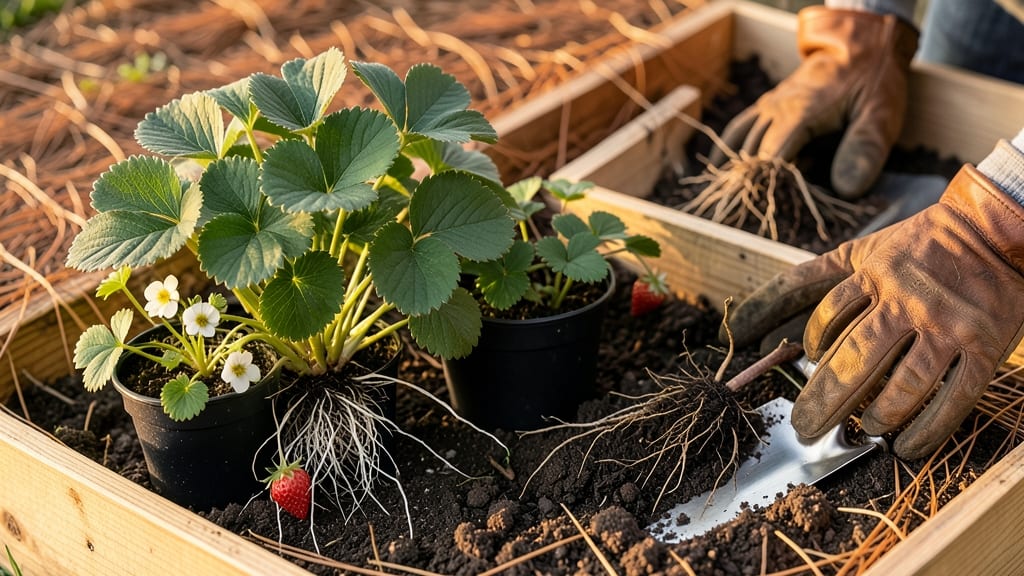
Planting strawberries in Pennsylvania at the wrong time can mean the difference between a bountiful harvest and wasted effort—but getting the timing right is easier than you think.
With USDA zones 5b-7a and chill-hour requirements to consider, the key lies in matching your variety to Pennsylvania’s March-April or August-September windows for optimal root establishment before dormancy or summer heat.
Many gardeners assume spring is the only option, but fall planting actually gives strawberries a head start on next year’s growth. The secret?
Planting 2-3 weeks before the last frost date (around mid-April) ensures roots establish before summer’s intensity, while fall plantings in August-September take advantage of cooler soil temperatures and fewer pests.
Whether you’re working with bare-root plants or potted varieties, Pennsylvania’s climate demands precision. Cold snaps in spring or early summer heat can stress young plants, but with the right chill-hour strategy—typically 300-900 hours below 45°F—you’ll know exactly when to plant for reliable blooms and berries.
Let’s break down the best planting windows, frost-proofing tips, and variety recommendations tailored to Pennsylvania’s unique growing conditions so you can enjoy sweet, homegrown 🍓 from May through July.
Best planting windows for strawberries in Pennsylvania by chill-hours
Strawberries thrive in Pennsylvania’s USDA zones 5b-7a, but their planting schedule hinges on chill-hours—the number of hours below 45°F (7°C) they need to break dormancy. Most varieties require 300-900 chill-hours, with June-bearing types needing the most and day-neutral types the least.
For example, 'Chandler' (a June-bearer) needs 700+ chill-hours, while 'Seascape' (day-neutral) thrives with just 300-500. Timing your plantings to these needs ensures robust blooms and heavy fruit sets.
In Pennsylvania, spring planting (March-April) aligns with soil warming post-dormancy, while fall planting (August-September) leverages cool nights to establish roots before winter. However, fall-planted strawberries must be hardened off and mulched heavily to survive first frosts (avg. October 15).
The key is matching your variety’s chill-hour needs to your local microclimate—southern PA (zone 7a) can plant slightly later than northeastern PA (zone 5b).
🌱 Did You Know? Pennsylvania’s Appalachian region often gets 100-200 extra chill-hours than the Piedmont, meaning varieties like 'Jewel' (900 chill-hours) may struggle in Harrisburg but excel in Scranton. Always check your local chill-hour map before choosing varieties.
| Planting Window | Chill-Hours Needed | Best Varieties | Soil Temp Requirement | Notes |
|---|---|---|---|---|
| Early Spring (Late Feb - Mid-March) | 700-900 | 'Jewel', 'Chandler', 'Honeoye' | ≥40°F (4°C) | High-risk frost; use row covers. |
| Mid-Spring (Mid-March - April) | 500-700 | 'Albion', 'Sparkle', 'Tristar' | ≥45°F (7°C) | Ideal for June-bearing types. |
| Early Fall (August - Early Sept) | 300-500 | 'Seascape', 'Fort Laramie', 'Ozark Beauty' | ≥50°F (10°C) | Best for day-neutral varieties. |
| Late Fall (Mid-Sept - Oct) | 300-600 | 'Seascape', 'Mara des Bois' | ≥45°F (7°C) | Risky; only for hardy varieties. |
🌡️ Pro Tip: Use a soil thermometer to confirm 40°F+ before planting—cold soil delays root growth.
For bare-root strawberries, soak roots in lukewarm water for 1-2 hours before planting to reduce transplant shock. Space plants 12-18 inches apart in rows 24 inches apart to allow airflow and reduce disease risk.
In containers, use well-draining mix with perlite and plant 3-4 plants per 5-gallon pot. Containers warm up faster in spring, giving you a 2-week head start over in-ground plantings.
If you’re planting strawberries as a fall crop, aim for 6-8 weeks before first frost (typically mid-August) to ensure roots establish before dormancy. Use black plastic mulch to warm soil and straw mulch (3-4 inches) to insulate roots.
Fall-planted strawberries often produce larger berries the following year because they focus on root growth instead of fruiting.
One common mistake is planting June-bearing strawberries too late in spring, which delays fruiting until July-August—right when Pennsylvania’s summer heat peaks. To avoid this, plant June-bearers in early spring (March) and day-neutral varieties in late summer (August) for a continuous harvest from June through September.
This staggered approach also reduces pest pressure, as different varieties attract different insects at various times.
For urban gardeners with limited space, vertical strawberry towers or hanging baskets work well, but ensure they’re placed in full sun and watered daily. In shady microclimates (e.g., under trees), opt for day-neutral varieties like 'Seascape', which tolerate partial shade
Best planting windows for strawberries in Pennsylvania by chill-hours
Pennsylvania’s USDA zones 5b-7a create a unique challenge for strawberry growers because chill-hour requirements vary dramatically between varieties. Most strawberries need 300-900 hours below 45°F to break dormancy and bloom reliably.
In PA, this translates to two ideal planting windows: early spring (March-April) and early fall (August-September), both timed to avoid frost damage while maximizing root establishment.
Spring planting should occur 2-3 weeks before your last frost date (typically mid-April in most of PA). This gives roots time to establish before summer heat sets in. Fall planting, however, offers a hidden advantage: cooler soil temperatures reduce stress on transplants, and they’ll grow roots before winter dormancy begins.
The key is planting 6-8 weeks before the first frost (usually by early September).
Here’s how chill-hours impact your planting decisions:
| Variety Type | Chill-Hours Needed | Best PA Planting Window | Notes |
|---|---|---|---|
| June-Bearing | 300-500 hours | Early Spring (March 15-April 15) | Produces one large crop; needs winter dormancy. |
| Ever-Bearing | 500-700 hours | Early Spring or Fall (Aug 15-Sept 15) | Two harvests (spring/fall); thrives in cooler climates. |
| Day-Neutral | 700-900 hours | Spring or Fall (flexible) | Continuous harvest; best for extended seasons. |
For northern PA (zones 5b-6a), prioritize varieties with 500+ chill-hours like 'Jewel' or 'Chandler' to ensure reliable blooming. In southern PA (zone 7a), day-neutral types like 'Seascape' thrive with 700+ chill-hours and produce fruit even in warmer months.
Always check your specific variety’s requirements—some modern hybrids need fewer chill-hours but may sacrifice flavor.
Pro tip: Test your soil’s chill-hour readiness by monitoring minimum nighttime temperatures. If temps stay above 45°F for 3+ weeks, delay planting until cooler nights return. Use a soil thermometer to confirm soil temps are 40°F+ at planting time—cold soil can stunt root growth.
Timing isn’t just about the calendar; it’s about matching your strawberries’ dormancy needs to Pennsylvania’s unpredictable spring transitions. With the right variety and chill-hour strategy, you’ll avoid the heartbreak of frost-killed blooms or heat-stressed plants—just sweet, juicy berries ready by late May.