
Plants
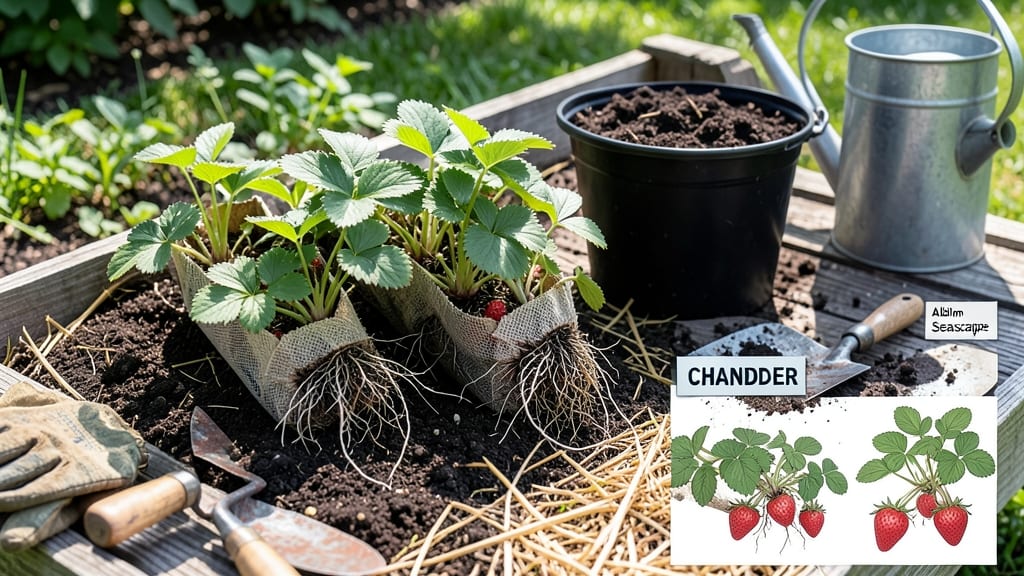
Planting bare root strawberries 🍓 in Zone 8 might seem tricky—get the timing wrong, and you risk frost damage or missed harvests. But with the right schedule, you can set your plants up for success, ensuring they thrive through winter dormancy and deliver sweet berries all season long.
The key is understanding when your local climate allows for safe planting without exposing those delicate roots to harsh cold snaps.
In Zone 8, late fall through early spring offers the perfect window, but there’s more to it than just picking a month—soil temperatures, frost dates, and plant dormancy all play a role.
I’ll walk you through the exact planting windows that work best, plus cold-proof strategies to keep your strawberries safe. Whether you’re a first-time gardener or a seasoned grower, these tips will help you avoid common mistakes and enjoy a bountiful harvest from spring to summer.
Ready to get started? Let’s dive into the best times to plant and how to give your strawberries the best possible start for a thriving garden.
Optimal planting windows for bare root strawberries in Zone 8
Planting bare root strawberries in Zone 8 requires precise timing to avoid late frosts while maximizing dormancy benefits. The ideal window spans from late November through early February, when soil temperatures drop below 50°F (10°C) but before hard freezes. This schedule lets plants establish roots before spring growth begins.
For June-bearing varieties, focus on November-December planting to ensure they enter dormancy naturally. Everbearing varieties tolerate slightly later windows (January-February) since they produce fruit in multiple seasons. Both thrive when planted while dormant, reducing transplant shock.
Soil temperature is critical—wait until it drops to 40-50°F (4-10°C) for optimal root development. Use a soil thermometer to confirm readiness. In Zone 8's mild winters, this typically occurs in November, but timing varies by microclimate.
If you miss the fall window, early spring planting (February-March) is possible, but plants may struggle with summer heat. Prioritize shade cloth or morning sun exposure to protect young plants during hot spells.
Zone 8's last frost date (January 15) marks a cutoff for fall planting—any later risks frost damage to emerging shoots. Everbearing varieties handle this better due to their staggered fruiting cycles.
Here’s how to align planting with dormancy cycles for peak success:
| Planting Window | Variety Focus | Soil Temp | Key Benefit |
|---|---|---|---|
| Late November - December | June-bearing | 40-50°F (4-10°C) | Full dormancy before spring |
| January - Early February | Everbearing | 45-55°F (7-13°C) | Extended harvest windows |
| February - March | All varieties | 50-60°F (10-16°C) | Emergency planting only |
For June-bearing strawberries, prioritize November planting to sync with their single harvest cycle. Everbearing types planted in January may produce smaller berries but extend your season into fall. Always check your local USDA frost maps—some Zone 8 areas (like coastal regions) have later frost dates.
Pro tip: Soak bare roots in water for 1-2 hours before planting to rehydrate dormant plants. This jumpstarts root growth in cooler soils. Pair this with a 1-inch layer of mulch to insulate roots during temperature swings.
In Zone 8's warm microclimates, consider shade cloth (30-50%) during summer to prevent heat stress. This mimics the cooler conditions bare root plants prefer during establishment.
Remember: Bare root strawberries planted in Zone 8 after March risk summer dormancy—choose heat-tolerant varieties like Seascape or Albion if you must plant later.
Optimal planting windows for bare root strawberries in Zone 8
In Zone 8, the best time to plant bare root strawberries is during their dormancy period, which typically runs from late fall to early spring. This timing ensures plants establish roots before active growth begins, reducing frost damage risks.
For most of Zone 8, November through February offers ideal conditions—soil temperatures are cool, and frost threats are minimal after the first cold snap.
June-bearing varieties thrive when planted in late fall (November-December) to take advantage of winter dormancy. Meanwhile, everbearing varieties can handle slightly later plantings into early spring (February-March) since they produce fruit in multiple flushes.
Always check your last frost date—Zone 8’s average last frost is around January 15, so aim to plant at least 4-6 weeks before to avoid early spring frosts.
| Planting Window | Soil Temp | Best For | Frost Risk |
|---|---|---|---|
| Late Fall (Nov-Dec) | 40-50°F | June-bearing | Low (dormant) |
| Winter (Jan-Feb) | 35-45°F | Everbearing | Moderate (check forecasts) |
| Early Spring (Feb-Mar) | 50-60°F | Both types | High (late frosts) |
For June-bearing strawberries, prioritize November planting—this gives roots time to establish before spring growth surges. Everbearing varieties are more flexible but still benefit from winter planting to avoid early spring heat stress.
If you miss the fall window, February plantings work in milder Zone 8 microclimates (like coastal areas), but use frost cloth for protection.
Soil temperature is critical: Bare root strawberries need 40-60°F soil to root successfully. Use a soil thermometer to confirm—planting when soil is too warm (above 60°F) stresses roots.
In Zone 8b-9, where winters are milder, you can extend planting into early March, but monitor 10-day forecasts for frost warnings.
Pro tip: Pre-soak bare roots for 1-2 hours before planting to rehydrate them. This jumpstarts root growth, especially important in dry Zone 8 winters. After planting, mulch heavily with straw or pine needles to insulate roots from temperature swings—a must for bare root survival in fluctuating Zone 8 climates.
Remember, Zone 8’s microclimates vary—high desert areas may need earlier plantings, while coastal regions can wait until late February. Always adapt your schedule to your specific last frost date and local weather patterns for the best results.