
Plants
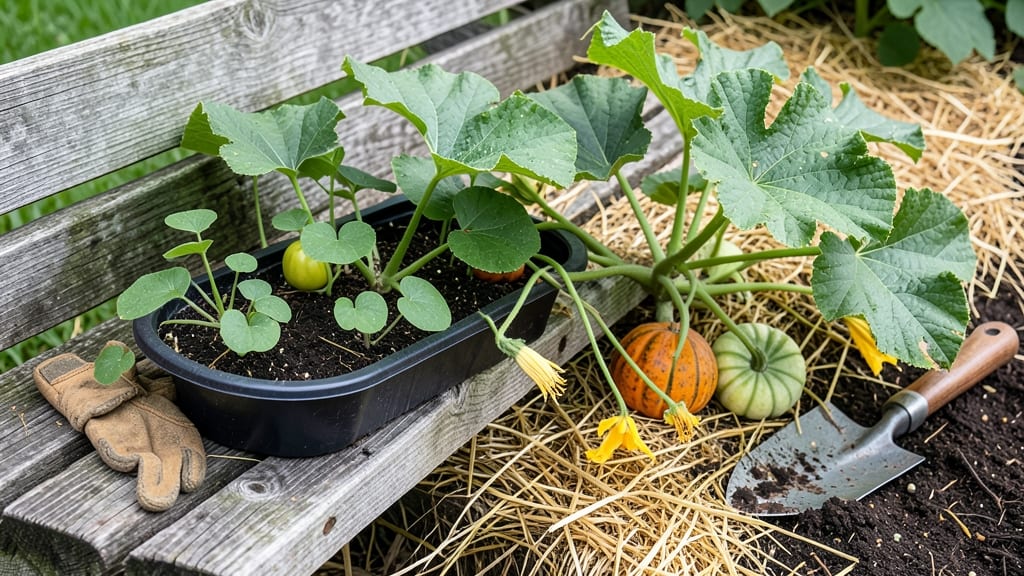
Planting pumpkins in Washington State isn't just about checking a calendar—it's about mastering the art of timing across the state's dramatic elevation shifts and unpredictable weather patterns.
From the Puget Sound's milder coastal zones to the high desert's crisp mountain air, each region demands a different approach to give your 🌱 pumpkins the best shot at thriving.
I've seen firsthand how a single week's difference can mean the difference between a bountiful harvest and a frost-nipped disappointment. The key isn't just knowing when to plant—it's understanding how Washington's microclimates create unique growing windows that vary by hundreds of miles.
Whether you're in the rain-soaked western lowlands or the sunbaked eastern plains, getting this right makes all the difference.
What most gardeners don't realize is that Washington's planting dates aren't one-size-fits-all. Coastal areas like Whatcom County can start as early as mid-April when soil warms to 60°F, while mountain communities in Okanogan County might need to wait until late May.
I'll show you exactly how to read your local climate cues and adjust your schedule for maximum success.
Ready to grow pumpkins that rival the ones at farmers' markets? Let me walk you through the precise planting windows, soil prep secrets, and variety choices that work best for Washington's diverse growing conditions.
You'll learn how to beat frost risks, handle late springs, and even extend your harvest season—so you can enjoy fresh pumpkins from your own garden all summer long.
Washington State pumpkin planting dates by elevation Zone (coastal vs. mountain vs. inland)
Washington State’s three distinct elevation zones create dramatically different growing conditions for pumpkins. The coastal Puget Sound region (USDA Zones 7-9) enjoys mild winters and long growing seasons, while mountainous areas (Zones 4-6) face late frosts and shorter summers.
Inland valleys (Zones 5-7) experience hot, dry summers with unpredictable spring rains. Each zone demands a tailored approach to avoid frost damage or failed harvests.
Pumpkin seeds require soil temperatures above 60°F to germinate properly. In coastal areas, this typically occurs by late April to early May, while mountain regions may wait until mid-to-late June.
Inland valleys often hit ideal soil temps by mid-May. Using a soil thermometer ensures you plant when conditions are truly right for your specific location.
Washington State University Extension recommends waiting until all danger of frost has passed before planting pumpkins outdoors. For coastal gardeners, this usually means planting after May 15, while mountain gardeners should hold off until June 20 or later.
Inland areas typically have a June 1 target date for direct sowing, though this can vary by year.
🌱
| Zone Type | USDA Zones | Planting Window | Soil Temp Threshold | Frost Risk |
|---|---|---|---|---|
| Coastal (Puget Sound) | 7-9 | Late April - Early May | 60°F+ | Low after May 15 |
| Mountain (Cascades) | 4-6 | Mid-to-Late June | 60°F+ | High until June 20 |
| Inland Valley | 5-7 | Mid-May | 60°F+ | Moderate after June 1 |
For coastal gardeners, starting seeds indoors in March gives you a head start on the growing season. Transplant seedlings outdoors after the last frost date, typically around May 15.
Mountain gardeners should wait until June 20 or later, as late frosts are common until then. Inland areas benefit from mid-May planting when soil temperatures consistently stay above 60°F.
Pumpkin vines thrive in warmth and sunlight, so choose a location with at least 6-8 hours of direct sun daily. Coastal areas often have longer daylight hours in summer, while mountain regions may experience shorter growing seasons.
Inland valleys can get intense afternoon heat, so provide afternoon shade if temperatures exceed 90°F for prolonged periods.
Soil preparation is crucial across all zones. Amend your soil with compost or well-rotted manure to improve drainage, as pumpkins hate soggy roots. Coastal gardeners should focus on organic matter addition, while mountain gardeners may need to raise beds to improve warmth.
Inland areas benefit from mulching to retain moisture during hot summers.
Remember that Washington's weather patterns are unpredictable. Always have a backup planting plan in case of unexpected frosts or heatwaves. Consider using frost cloth for early plantings in mountain zones or shade cloth for inland areas during extreme heat.
These simple tools can make the difference between success and failure in your pumpkin patch.
🌿
If you're growing pumpkins for commercial purposes or large jack-o'-lanterns, choose a location with maximum sunlight exposure and space for vine spread.
Inland valleys often produce the largest pumpkins due to their intense summer heat, while coastal areas may yield more consistent harvests due to moderate temperatures. Mountain regions can still grow excellent pumpkins with proper timing and extended-season varieties.
Finally, keep track of your first frost dates for each zone. Coastal areas typically see their last frost around April 15, while mountain regions may experience frost until June 1 or later.
Inland valleys usually have a first frost around October 15, giving you a 120-150 day growing season for most pumpkin varieties.
How to adjust pumpkin planting for Washington’s unpredictable weather patterns
Washington’s weather is famously fickle—one week you’re battling late frosts, the next you’re scrambling to protect seedlings from sudden heatwaves. I’ve learned the hard way that rigid planting dates won’t cut it here.
The key is flexibility: knowing how to read your local forecast, prepare for delays, and have backup plans for when Mother Nature throws curveballs. Whether you’re in the San Juan Islands or the Columbia Gorge, these strategies will help you adapt and still get a great harvest.
First, always check the 10-day forecast before planting. Washington’s marine layer can keep coastal areas 10°F cooler than inland spots for weeks. I once planted my pumpkins in early May on Whidbey Island, only to have a 28°F dip two weeks later—my seedlings didn’t survive.
Now, I wait until the soil thermometer consistently reads 65°F+ for at least 5 days before committing. This simple tool has saved me from countless disappointments.
For high-risk areas like the Cascade foothills or Okanogan Valley, consider using black plastic mulch to warm the soil faster. Lay it down 2-3 weeks before planting to create a 10°F warmer microclimate.
I’ve seen gardeners in Zone 5 areas extend their season by 3 weeks this way. Just remember to remove it after harvest to prevent soil compaction.
- 📅 Wait for soil, not air: Test soil temp at 4" depth—65°F+ is ideal for pumpkin seeds.
- 🛡️ Frost cloth hack: Use row covers for 2-3 weeks after transplanting in mountain zones.
- ☀️ Shade cloth backup: If heatwave hits, drape 30% shade cloth to protect young vines.
- 🌧️ Drainage first: Amend heavy clay soil with compost + perlite to prevent waterlogged roots.
- 🔄 Backup dates: Have a 3-week buffer—plant a second set if late frosts delay your first attempt.
Don’t underestimate the power of rain delays. Western Washington’s spring showers can turn planting days into mud pits. I’ve had to reschedule my entire pumpkin plot twice because of 10+ inches of rain in April.
If your soil is waterlogged, wait until it’s dry enough to crumble when squeezed—this usually takes 5-7 days after heavy rains. For inland areas like Yakima Valley, irrigation scheduling becomes critical.
I use a soil moisture sensor to track when to water deeply (1-2 inches per week) without drowning the roots.
One of my biggest lessons came from growing pumpkins in Zone 6 Spokane. The June heatwaves can scorch seedlings if they’re not acclimated. I now harden off my transplants for 10 days before setting them out, gradually increasing sunlight exposure.
For direct-sown seeds, I’ve started using biodegradable seed starter pots to give them a head start indoors under grow lights. This gives me a 2-week advantage when transplanting outdoors.
Finally, never plant all your seeds at once. Stagger your plantings every 10-14 days to extend your harvest window. In Zone 7 Puget Sound, this means planting some seeds in early May and others in late May.
The early batch might produce smaller pumpkins, but the later ones will ripen just as the first frost approaches. This strategy has let me enjoy fresh pumpkins from my garden for 6-8 weeks instead of just 3.
Washington’s weather will always keep you on your toes, but with these adjustments, you’ll turn challenges into opportunities. The secret isn’t fighting the climate—it’s working with it. Now go plant those pumpkins with confidence, and don’t forget to celebrate your first successful harvest with a big 🎃!