
Plants
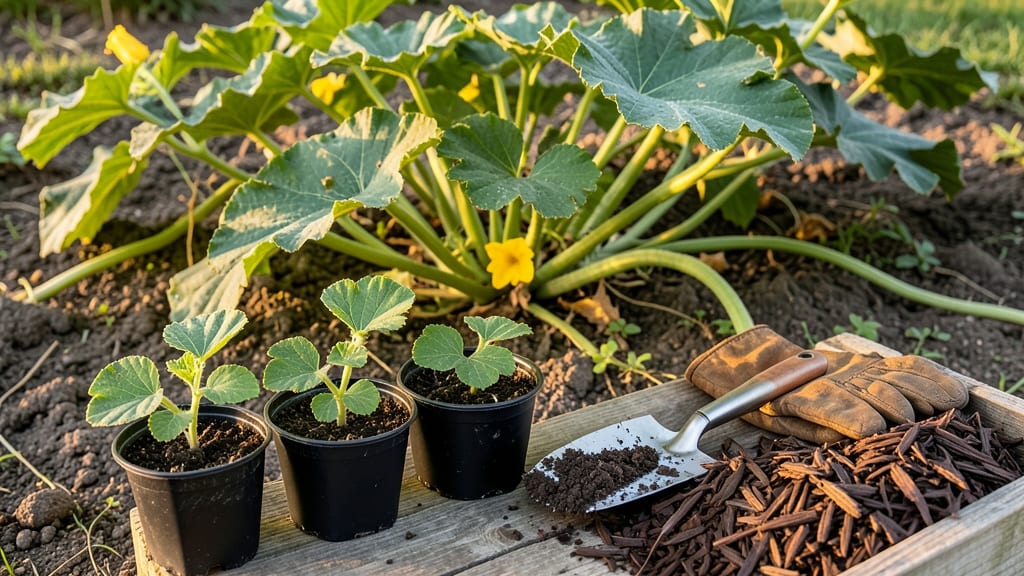
Planting pumpkins in Illinois at the wrong time can mean the difference between a jackpot harvest and a sad, wilted vine—especially when frost sneaks in unexpectedly.
The ideal window for sowing your 🎃 seeds is after the last frost, typically between mid-April and mid-May, but timing varies by your USDA zone (5a-6b) and the variety you choose.
If you're eager to get started, you might be tempted to plant early, but rushing can backfire. Pumpkins need warm soil (at least 70°F) and a long, frost-free growing season—about 90-120 days to maturity.
That means late May or early June plantings might work for fast-growing varieties, but slower types need that early start.
Don’t worry if you’re unsure about your exact frost date—this guide breaks down the best planting dates for Illinois gardeners, whether you’re direct-sowing or starting seeds indoors. We’ll also cover the top varieties that thrive in your zone and how to protect your pumpkins if frost threatens early.
Ready to grow pumpkins that rival your neighbor’s? Let’s dive into the perfect planting schedule to ensure your 🎃 patch flourishes all season long.
Illinois pumpkin planting dates by USDA Zone (2024 frost-free guide)
Getting your pumpkin seeds in the ground at the right time is critical in Illinois, where frost dates can vary by USDA Zone and year. Most of Illinois falls within Zones 5a-6b, with an average last frost date between mid-April and early May.
Planting too early risks frost damage, while waiting too long may cut your harvest short before first frost in October.
For direct-sown pumpkins, aim to plant seeds 1-2 weeks after your last frost date when soil temperatures reach at least 70°F. This ensures strong germination and rapid vine growth.
In Zone 5a, this typically means late April to early May, while Zone 6b gardeners can start as early as mid-April.
If you're starting seeds indoors for an earlier transplant, begin 4-6 weeks before your last frost date. This gives seedlings a head start while avoiding cold soil that can stunt root development. Use biodegradable pots to minimize transplant shock when moving outdoors.
Here’s a quick reference for Illinois planting windows by zone, including early, mid, and late-season varieties to maximize your harvest:
| USDA Zone | Last Frost Date | Ideal Planting Window | First Frost Risk | Notes |
|---|---|---|---|---|
| 5a (Northern IL) | Mid-April | Late April - Early May | Mid-October | Shortest growing season; choose fast-maturing varieties (75-90 days). |
| 5b (Central IL) | Early April | Early to Mid-May | Late September | Balanced season; ideal for mid-season varieties (90-100 days). |
| 6a (Southern IL) | Late March | Mid-April - Early June | Early October | Longest season; can grow late varieties (100-120 days) or succession plant. |
| 6b (Far Southern IL) | Early March | Early April - Late May | Mid-October | Warmest zone; can experiment with tropical varieties like Cinderella. |
For northern Illinois gardeners in Zone 5a, focus on early-maturing varieties like Jack Be Little (75 days) or Small Sugar (85 days) to avoid early frost. These varieties can be planted as late as early June for a fall harvest, though yields may be smaller.
In southern Illinois (Zones 6a-6b), you have more flexibility. You can plant early varieties in April and late varieties in June for a staggered harvest.
For example, Howden (90 days) planted in April will be ready by early September, while Long Island Cheese (110 days) planted in June can still ripen before frost.
Always monitor your local frost forecast and adjust planting dates accordingly. Tools like the Old Farmer’s Almanac or your local Cooperative Extension Service provide real-time updates. If frost threatens after planting, use row covers or cloches to protect young seedlings until they’re established.
Pro tip: Soil temperature is just as important as air temperature. Use a soil thermometer to confirm your soil is at least 70°F before planting. Cold soil can delay germination by weeks, leaving your pumpkins vulnerable to late spring frosts.
🎃
Illinois pumpkin planting dates by USDA Zone (2024 frost-free guide)
Illinois spans USDA Zones 5a-6b, meaning your frost-free window varies slightly depending on where you live. Northern Illinois (Zone 5a) has a shorter growing season, while southern Illinois (Zone 6b) enjoys a few extra weeks.
The key is planting after your last average frost date, which typically falls between mid-April and early May.
For most Illinois gardeners, the ideal planting window is from April 15 to May 15, but this shifts slightly by zone. Fast-growing varieties can handle later starts, while long-season types need that early jump. Always check your local Almanac frost dates—they’re your best guide for precision planting.
Here’s the breakdown you need to avoid frost damage and maximize your harvest:
| USDA Zone | Last Frost Date | Ideal Planting Window | Deadline for Late Varieties |
|---|---|---|---|
| 5a (Northern IL) | May 1 | April 20 - May 10 | June 1 (75-day varieties only) |
| 5b (Central IL) | April 25 | April 15 - May 15 | June 15 (90-day varieties) |
| 6a (Southern IL) | April 15 | April 1 - May 10 | June 20 (100-day varieties) |
| 6b (Far Southern IL) | April 10 | March 25 - May 5 | June 30 (120-day varieties) |
*Deadlines assume 90-120 days to maturity and no early frost.
If you’re in Zone 5a or 5b, stick to fast-maturing varieties (75-90 days) to avoid frost. For Zones 6a and 6b, you have more flexibility—even long-season varieties like Howden (100+ days) can thrive if planted by early April.
Always monitor your local weather forecasts in late August for early frost warnings.
Pro tip: Use black plastic mulch to warm the soil faster, giving your pumpkins a head start. This is especially helpful in cooler northern Illinois zones where soil takes longer to reach the ideal 70°F+ temperature for germination.
Remember, soil temperature matters more than air temperature. Test it with a soil thermometer—if it’s below 60°F, wait a few more days. Cold soil delays germination and weakens seedlings, setting your pumpkins up for failure.
🎃 Now that you’ve got your planting dates locked in, let’s talk varieties—some thrive better in Illinois’ climate than others, and we’ll cover the best picks next.