
Plants
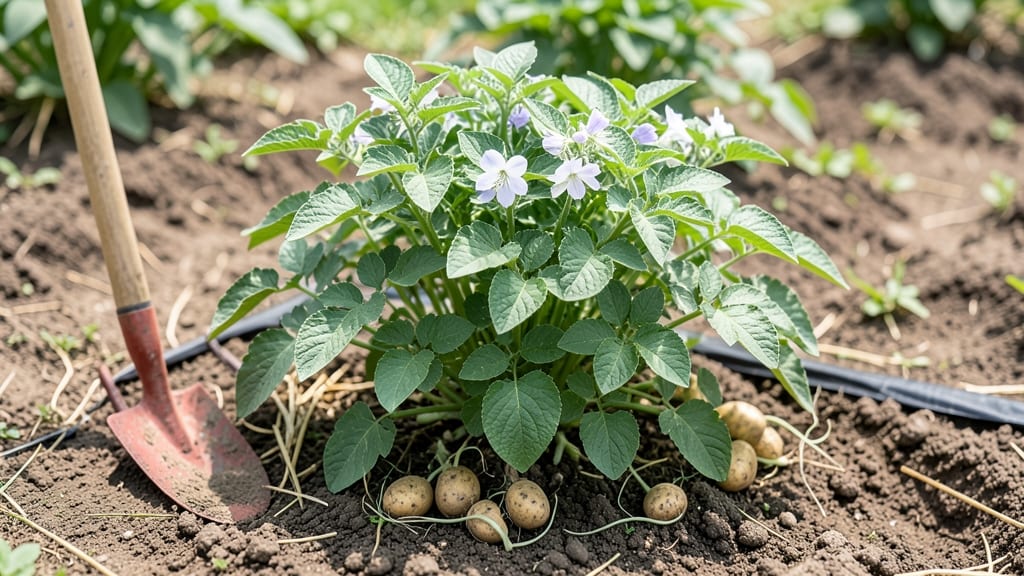
Planting fall potatoes in Oklahoma isn’t just about the calendar—it’s about catching that perfect soil temperature window before frost sneaks in. If you miss it, you’ll either get stunted tubers or a harvest ruined by early cold snaps.
The key? Timing your planting when the ground is warm enough to sprout but cool enough to avoid stressing your 🥔 before winter.
Most gardeners in zones 6b-7a swear by late August to early September as the sweet spot, but here’s the catch: soil temps matter more than dates. Too early, and your potatoes might bolt in the heat; too late, and frost will nip them before they bulk up.
I’ll show you exactly how to read your soil’s temperature cues—and why Oklahoma’s microclimates can shift your ideal window by weeks.
This isn’t just theory—it’s how I’ve grown zero-frost harvests for years, even in years with early freezes. We’ll cover the 5 critical triggers to watch, from Mesonet data to DIY soil checks, so you can plant with confidence.
No more guessing games, just potatoes that thrive until the first hard frost.
Ready to ditch the trial-and-error? Let’s break down the science behind Oklahoma’s fall potato magic—and how to adapt if your yard runs hotter or cooler than the norm. Your harvest depends on it.
Oklahoma fall potato planting timeline based on soil temperature
Oklahoma’s fall potato planting success hinges on soil temperature, not just calendar dates. Unlike spring potatoes, fall plantings thrive when soil cools to 50-70°F, creating ideal conditions for tuber development before winter.
In Oklahoma’s USDA Zones 6b-7a, this means timing your plantings to avoid early frosts while ensuring tubers mature before ground freezes.
Your first frost date in Oklahoma typically arrives around November 1, but microclimates—like the cooler Ozark Mountains or hotter Red Bed Plains—can shift this by 2-3 weeks.
To maximize your harvest, aim for a 90-day growing season before the first frost, which translates to planting between late August and early September in most regions.
Here’s the game-changer: soil temperature at planting depth (4-6 inches) should be 50-60°F for optimal sprouting. Warmer soils (60-70°F) speed up growth but may stress plants before frost. Use a soil thermometer to monitor—Oklahoma Mesonet stations can help track local trends.
For zero-frost harvests, prioritize 50-60°F soil temps and plant Yukon Gold or Red LaSoda varieties, which mature in 85-90 days. These varieties tolerate cooler soils better than russets, giving you a 2-3 week longer harvest window before hard frosts. In Zone 6b (e.g., Tulsa, Oklahoma City), aim for August 25-September 5 to avoid early frosts.
If you’re in higher elevations (e.g., Ozark Mountains), plant 2 weeks earlier—soil cools faster at 2,000+ feet. Use black plastic mulch to warm soil by 5-10°F if planting in late August and risking cool nights.
Conversely, sandy soils (common in western Oklahoma) warm faster—wait until soil hits 60°F to avoid stressing seedlings.
Pro tip: Test your soil 2 weeks before planting. If temps are below 50°F, delay or use row covers to insulate. Oklahoma’s Mesonet network (mesonet.org) offers real-time soil data—bookmark their soil temperature maps for your county.
Remember: Potatoes hate wet feet. In Oklahoma’s humid fall, ensure your planting site has well-draining soil to prevent rot. Amend clay soils with compost or sand before planting—this is non-negotiable in eastern Oklahoma, where heavy rains can turn beds into soggy messes.
Once planted, mulch heavily with straw or leaves to stabilize soil temps and retain moisture. This simple step can extend your harvest by 10-14 days by slowing soil cooling. In Zone 7a, this might mean harvesting through mid-November instead of early October.
🌱 For maximum yield, pair your planting timeline with proper spacing: 12 inches apart in rows 30 inches apart. This gives tubers room to grow without competing for nutrients, especially critical in Oklahoma’s nutrient-poor soils.
Add a balanced fertilizer (10-20-10) at planting to give your potatoes a strong start.
5 Critical soil temperature triggers to plant fall potatoes in Oklahoma
Planting potatoes in Oklahoma’s fall season hinges on soil temperature, not just calendar dates. Unlike spring planting, fall potatoes thrive when soil cools to 50-70°F, signaling ideal tuber development before frost.
Using a soil thermometer (or Oklahoma Mesonet data) ensures you plant when roots establish quickly but tops mature before first frost.
Oklahoma’s diverse microclimates—from the Arklatex region to the Panhandle—require adjustments. For example, higher elevations like Oklahoma City may need earlier planting than Tulsa’s warmer valleys. The key is planting when soil temps drop below 75°F but stay above 50°F for consistent growth.
🔹 Visual Element: Numbered Highlights 🔹
Pro tip: Oklahoma’s Mesonet weather stations provide real-time soil temp data. Bookmark https://mesonet.org and check 4-inch soil temps daily in late summer. For example, if your local station shows 65°F soil by August 25, that’s your cue to plant Yukon Gold or Red LaSoda for a zero-frost harvest.
Missed the soil temp window? No panic. Plant certified seed potatoes in early September and use black plastic mulch to retain heat. This extends the growing season by 2-3 weeks, letting you harvest before hard frost sets in.
Just avoid planting after September 15—tubers won’t mature in time for a fall harvest.
For maximum yield, pair planting with organic matter (compost or aged manure) to insulate roots. Aim for 3-4 inches of mulch around plants to regulate soil temps and retain moisture—critical in Oklahoma’s dry falls. With these triggers, you’ll nail the perfect fall potato harvest every time. 🌱