
Plants
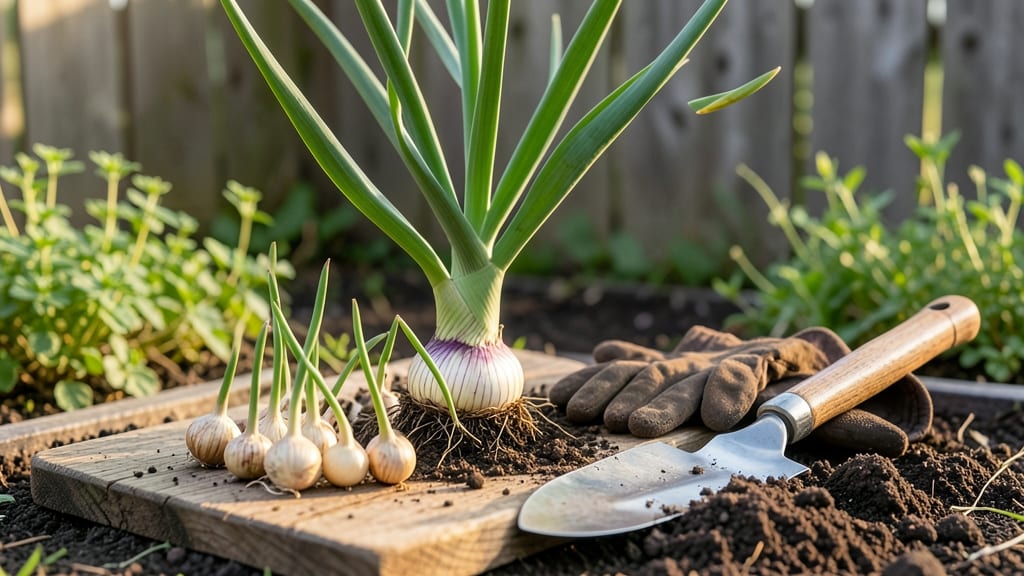
Planting onions in Ohio isn’t just about the calendar—it’s about catching the perfect soil temperature window to ensure fast germination and a bountiful harvest. Skip the guesswork, and you risk rot or stunted growth, especially with Ohio’s unpredictable spring weather swinging between frost and warmth.
Most gardeners in Zone 6a reach for their 🧅 sets or seeds between March and April, but timing is everything. Plant too early, and cold soil will delay sprouting; too late, and you’ll miss the sweet spot for bulbs to mature before summer heat sets in.
The key? Waiting until the soil hits 40°F–50°F for cold-hardy varieties or 55°F+ for warm-season types.
But here’s the secret: Ohio’s fall planting window—August to September—lets you grow onions for an early spring harvest. By understanding your microclimate and soil triggers, you’ll turn slow starts into fast, flavorful bulbs in just 90–120 days.
Ready to skip the trial-and-error? I’ll walk you through exact soil temp checks, the best onion varieties for Ohio’s short season, and how to adjust for late frosts or early heat. Let’s get those onions growing the right way—the first time.
Ohio onion planting calendar: exact dates by soil temperature zones
Ohio’s USDA Zone 5-6 climate offers two prime windows for planting onions: spring and fall. But timing isn’t just about months—it’s about soil temperatures.
Cold-hardy varieties like ‘Red Baron’ can handle 40°F–50°F soil, while warm-season types need 55°F+. Let’s break down the exact dates to maximize your harvest.
For spring planting, aim for 4–6 weeks before your last frost date (typically mid-March to early April in Ohio). Fall planting should occur 8–10 weeks before first frost (usually late August to early September). These windows ensure onions mature before summer heat or winter freeze sets in.
Here’s the key: Soil temperature matters more than air temperature. Use a soil thermometer to confirm readiness. If temps dip below 40°F, germination slows or stops. In northern Ohio (Zone 5), plant earlier (late February–March), while southern Ohio (Zone 6) can wait until March–April.
Ohio’s microclimates create variations even within the state. Urban areas like Columbus may experience 2–3°F warmer soils than rural zones, so adjust accordingly. For example, Cincinnati’s last frost often arrives 1–2 weeks earlier than Cleveland’s.
Pro tip: Plant onion sets (pre-grown bulbs) for faster results, or start seeds indoors 8–10 weeks before transplanting. Sets are ideal for Ohio’s short season, while seeds give you more variety choices but require extra time.
Don’t overlook fall planting—it’s perfect for overwintering onions like ‘1891 Yellow Globe’. Plant in August–September for a harvest the following summer. This method skips summer heat stress and often yields larger bulbs.
| Planting Window | Soil Temp Requirement | Best Varieties | Ohio Planting Dates |
|---|---|---|---|
| Spring (Sets) | 40°F–50°F | ‘Red Baron’, ‘Sweet Sandwich’ | Mid-March to early April |
| Spring (Seeds) | 50°F–55°F | ‘Crystal Wax’, ‘Texas Early White’ | Late March to mid-April |
| Fall (Overwintering) | 55°F–60°F | ‘1891 Yellow Globe’, ‘Stuttgarter’ | Late August to early September |
If you’re starting seeds indoors, begin 8–10 weeks before transplanting (typically mid-January to February). Use grow lights to supplement Ohio’s short winter days. Harden off seedlings for 7–10 days before moving them outdoors to avoid transplant shock.
For container gardening, plant onions in well-draining pots with full sun exposure. Use a high-quality potting mix and ensure pots have drainage holes. Containers warm up faster than garden beds, so monitor soil temps closely—you may need to plant 1–2 weeks earlier than in-ground onions.
Remember: Day-length sensitivity matters. Ohio’s long-day climate (14+ hours of daylight in summer) can cause onions to bolt (flower prematurely). Choose day-length neutral varieties like ‘Candy’ or ‘Texas Early White’ to avoid this issue.
Finally, mulch after planting to regulate soil temperature and retain moisture. Straw or shredded leaves work well. This simple step can mean the difference between fast germination and slow, uneven growth.
How to test soil temperature for onion germination success
Onions are finicky about soil temperatures, and planting them too early or too late can mean the difference between a bountiful harvest and wasted effort. For cold-hardy onion varieties, aim for 40°F–50°F soil temps—this is your sweet spot for germination.
Warmer-season types, like long-day onions, need 55°F+ soil to sprout reliably.
Why does this matter? Onions won’t germinate below 40°F, and soil that’s too warm (above 70°F) can trigger premature bolting. Using a soil thermometer is the only way to avoid guesswork.
I’ve planted onions in March only to watch them rot because the soil was still too cold—don’t make that mistake!
Here’s how to check: Insert the thermometer 2–3 inches deep (where onion roots will grow) and wait 10–15 minutes for an accurate reading. Early mornings are best—soil temps fluctuate less then.
If your reading is below 40°F, wait a week and test again. Patience here saves you from disappointment later.
🌡️ Warning: Soil Too Cold?
If your soil is below 40°F, don’t rush planting. Cold soil slows germination, and onions may rot before sprouting. Use black plastic mulch or a cold frame to warm the soil by 5–10°F if needed.
Ohio’s microclimates add another layer of complexity. Northern Ohio (Zone 5) may need to wait until late March or early April, while southern Ohio (Zone 6) can start as early as mid-February.
Keep a garden journal to track soil temps year after year—your notes will become your best guide.
What if your soil is too warm? For spring planting, this usually means waiting until late April. If you’re planting in fall for overwintering, aim for August–September when soil temps drop to 60°F–70°F. Onions planted in warm soil may bolt (send up flowers) instead of forming bulbs.
Pro tip: Plant onion sets (pre-grown onions) instead of seeds if you’re unsure about soil temps. Sets germinate faster and are less sensitive to temperature fluctuations. For seeds, wait until soil is consistently 50°F+—this usually aligns with mid-April in most of Ohio.
Remember, consistency is key. Check soil temps for 3–5 days in a row to confirm trends. If mornings are 45°F but afternoons hit 60°F, your onions might still struggle. Adjust your planting schedule based on the cooler readings—this is how Ohio gardeners avoid common pitfalls.