
Plants
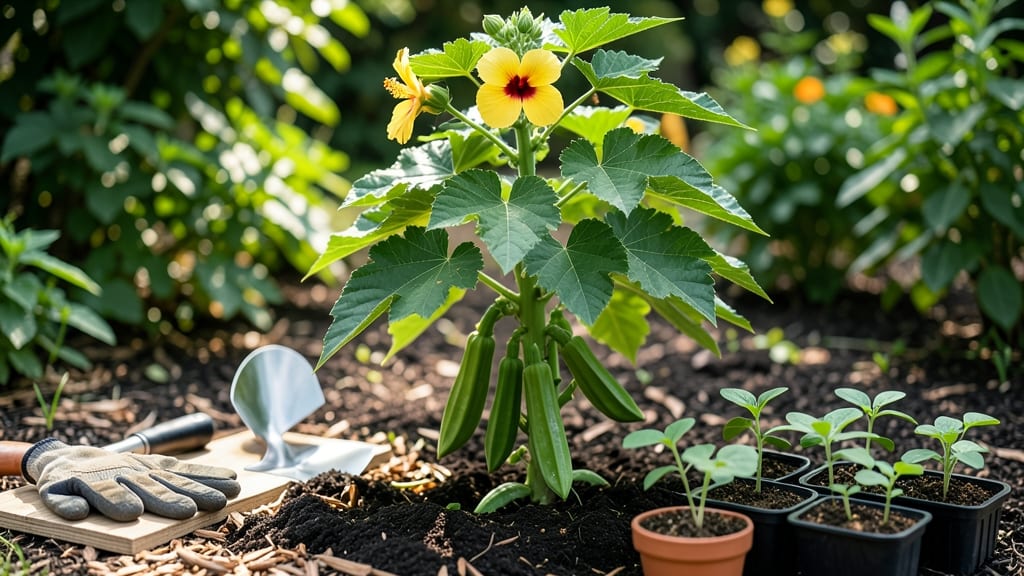
Planting okra in Oklahoma isn’t just about timing—it’s about catching that sweet spot between the last frost and the heatwave when 🌱 okra explodes into growth. If you wait too long, you’ll miss the window for a summer harvest, but planting too early risks stunted plants or frost damage.
The key is knowing when your soil warms up and how Oklahoma’s zones (6a-7b) affect your schedule.
Most gardeners in Oklahoma start sowing okra seeds mid-April to early June, once soil temperatures hit a steady 60°F+. This ensures fast germination and strong roots before the real heat sets in.
But here’s the catch: Northern Oklahoma (closer to zone 6a) may need to wait until late May, while Southern regions can plant as early as April.
Why does this matter? Okra thrives in heat, but it hates cold snaps. A late frost can wipe out young plants, while premature planting in cool soil leads to slow growth and weak stems.
I’ll show you how to read your soil’s temperature, adjust for your specific Oklahoma location, and even squeeze in a second planting for a fall harvest.
Ready to grow okra that’s tall, productive, and ready to harvest by July? Let’s break down the exact steps—from soil prep to companion planting—to turn your Oklahoma garden into a fast-growing okra powerhouse this season.
Oklahoma’s okra planting calendar: best start dates by hardiness zone
Okra thrives in Oklahoma’s heat and humidity, but timing is everything. Plant too early, and frost-sensitive seedlings will fail. Plant too late, and you’ll miss the summer harvest window.
Oklahoma spans USDA zones 6b-8a, so your exact planting dates depend on where you live—but here’s the universal rule: wait until soil temperatures hit 60°F+ and all frost risk has passed.
For most of Oklahoma, this means mid-April to early June for spring plantings. Northern regions (like zone 6b) should wait until late April or May, while southern areas (like zone 8a) can start as early as mid-March if soil is warm.
The key is aligning with your last average frost date—check your local Oklahoma Mesonet for precise timing.
Okra is a fast grower, with harvests possible in just 55 days under ideal conditions. To maximize yields, Oklahoma gardeners often plant two batches: one in late spring and another in early summer for a staggered harvest through October.
This works especially well for northern Oklahoma, where summers are shorter.
| Zone | Last Frost Date | Ideal Planting Window | Soil Temp Requirement | Harvest Window |
|---|---|---|---|---|
| 6b (North OK) | Mid-April | Late April–May | 60°F+ | July–September |
| 7a (Central OK) | Early April | Mid-April–May | 60°F+ | June–October |
| 8a (South OK) | Late March | March–June | 60°F+ | May–November |
If you’re in southern Oklahoma, you can even direct sow okra as early as March—just cover seeds with row fabric if nights are still chilly. For northern Oklahoma, consider starting seeds indoors 2-3 weeks before your last frost date to give seedlings a head start.
Use biodegradable pots to transplant without disturbing roots.
Okra’s heat tolerance means it can handle Oklahoma’s summer blasts, but extreme heat (above 95°F) can stress plants. In these cases, provide light shade during peak afternoon sun or increase mulch depth to keep roots cool.
Varieties like ‘Clemson Spineless’ or ‘Emerald’ are excellent choices for Oklahoma’s climate—they produce larger pods and handle heat better than standard types.
Pro tip: Succession plant every 2-3 weeks after your initial sowing to ensure a continuous harvest. This works especially well in central and southern Oklahoma, where the growing season is longer.
Even in northern zones, a second planting in early June can yield pods through September. Just be sure to harden off seedlings before transplanting to avoid shock.
One common mistake Oklahoma gardeners make is planting too late for a full harvest. If you’re in zone 6b, aim to have okra established by mid-May to avoid early fall frosts cutting the season short.
In zone 8a, you can push it to late June for a second harvest before the first frost in mid-October. Always check your local frost dates—they can vary by 1-2 weeks even within the same county.
For container gardening in Oklahoma, use 5-gallon pots or larger to accommodate okra’s deep root system. Plant in full sun and keep soil consistently moist—containers dry out faster, especially in summer heat.
If you’re in an urban area, consider raised beds to improve drainage and warmth, which okra loves.
Remember, okra is not frost-tolerant, so never plant before your last frost date. If an unexpected late frost hits, cover plants with frost cloth or move containers to a sheltered spot.
With the right timing, you’ll enjoy fresh okra pods from July through October—just in time for summer meals and preserving!
Signs your okra is ready to plant: soil, weather, and plant conditions
Planting okra at the right time isn’t just about checking a calendar—it’s about reading your garden’s cues. The soil temperature is your first clue: okra seeds won’t germinate well below 60°F. Use a soil thermometer to confirm warmth, especially in Oklahoma’s zone 6a areas where spring can linger longer.
Next, watch for consistent daytime temps above 70°F. Okra thrives in heat, but young plants can’t handle sudden cold snaps. Check your local frost-free date (typically mid-April in Southern OK, late April in Northern OK) and wait at least 2 weeks after the last frost before planting.
Pay attention to humidity levels too. Okra prefers moderate humidity (40-60%) but struggles in Oklahoma’s dry spells. If your area is unusually arid, water deeply 2 days before planting to mimic tropical conditions. Mulch with straw or grass clippings to retain moisture and regulate soil temperature.
Finally, choose healthy seeds or seedlings. For direct sowing, pick fresh, dark-colored seeds (older seeds may not germinate). If transplanting, select 4-6 inch tall seedlings with deep green leaves and no yellowing. Avoid plants with woody stems—they’re past their prime for transplanting.
Pro tip: Plant okra after warm-season crops like peppers or tomatoes, which naturally warm the soil. In Oklahoma’s heat, this can shave off 1-2 weeks of waiting time. Just avoid planting near beans or peas, which compete for nutrients.
Once you’ve confirmed warm soil, stable temps, and healthy plants, it’s time to dig in! Use a raised bed in cooler zones to warm soil faster, or plant in black plastic mulch to accelerate germination.
Your okra will reward you with fast growth and plentiful pods by July if you time it right. 🌱