
Plants
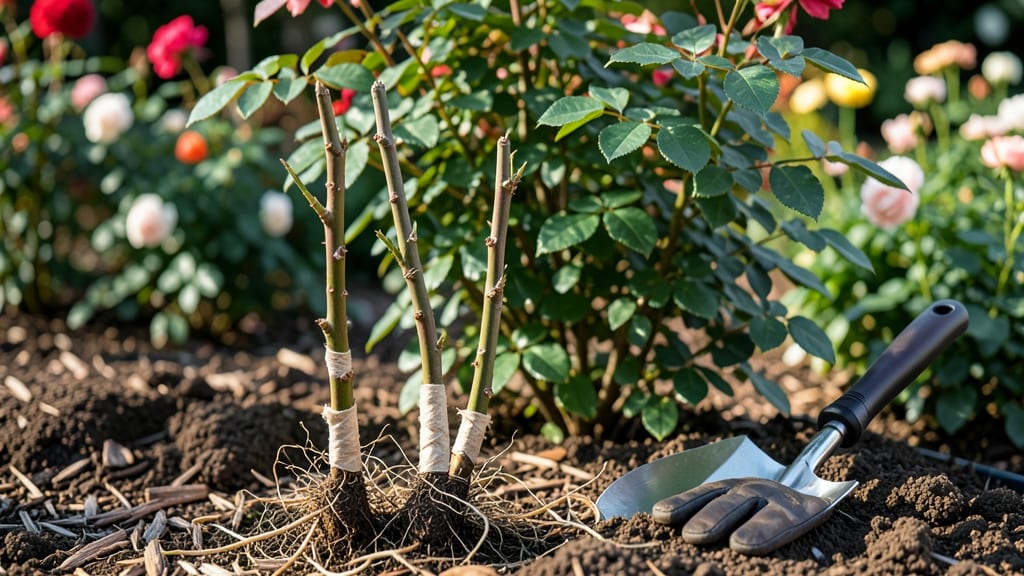
Planting roses in Texas isn't just about timing—it's about beating the heat while giving your 🌹 the best shot at thriving blooms. With scorching summers and unpredictable frost patterns, getting the schedule wrong means your roses could wilt before they even take hold.
Texas gardeners know the stakes: plant too early, and your roses face heat stress; too late, and frost catches them off guard. The ideal window shifts dramatically from North to South Texas, making a one-size-fits-all approach a recipe for failure.
I’ve spent years testing what works in zones 8a-10b, and the secret isn’t just picking a month—it’s understanding how soil prep, watering, and even mulch can turn a risky gamble into a guaranteed showstopper.
Ready to unlock the perfect planting dates for your region? Let’s dive into the science behind Texas rose success—so you can enjoy those fragrant blooms year after year.
Best planting months for roses in Texas heat zones (8-10)
Texas gardeners face a unique challenge when planting roses—the state's extreme heat and variable frost dates demand precise timing. Unlike cooler climates, roses here need to establish roots before summer's brutal sun or struggle to survive.
The best window for planting roses in Texas depends on your USDA heat zone (8-10) and whether you choose fall or spring planting.
In North Texas (Zones 8a-7b), where winters can drop below freezing, the ideal planting window stretches from November through March. This gives roses time to root before spring heat stress begins.
Meanwhile, Central Texas (Zones 8b-9a) gardeners should plant between October and January, avoiding the scorching summer months entirely.
For South Texas (Zones 9b-10b), where frost is rare, the planting window extends from September to December. Here, the goal is to plant before summer's relentless heat peaks, as even established roses can wilt under 100°F+ temperatures.
Each zone requires a tailored approach to ensure your roses thrive.
Timing isn't just about months—it's about soil temperature. Roses thrive when soil stays between 60-70°F. In Texas, this means avoiding spring planting after March, when soil can heat up too quickly. Instead, focus on fall planting, which gives roots time to establish before summer arrives.
For container-grown roses, the window is slightly more flexible, but you still want to avoid peak summer heat. These roses can handle slightly warmer soil, but they'll need daily watering and afternoon shade during their first growing season.
If you must plant in late spring, choose heat-tolerant varieties like 'Knock Out' roses or 'Earthkind' roses, bred specifically for Texas conditions.
Another critical factor is frost timing. In North Texas, planting too late in fall risks winter dieback, while South Texas gardeners must rush to plant before summer monsoons.
Check your local average last frost date (North: Jan 15, Central: Feb 15, South: Mar 1) and plant 6-8 weeks before to give roots time to anchor.
If you miss the ideal window, don't panic—April planting is still possible with extra care. Just be prepared for daily watering, mulching, and shade cloth to protect young plants from heat stress. The key is to acclimate roses gradually to full sun once they're established.
For bare-root roses, the best time is late fall or winter, when they're dormant and less stressed. Soak roots in water for 4-6 hours before planting to rehydrate them.
In contrast, potted roses can be planted year-round in South Texas, but fall remains the safest bet for all zones.
Remember, Texas roses aren't just about when you plant—they're about how you prepare. Amend your soil with compost and sand to improve drainage, and consider mulching with pine bark to retain moisture. With the right timing and prep, your roses will bloom beautifully despite the heat.
🌹
Best planting months for roses in Texas heat zones (8-10)
Texas's extreme heat and variable frost dates make timing critical for roses. The ideal window depends on your USDA zone, with fall planting generally outperforming spring in most regions. North Texas (Zones 8a-7b) has cooler winters, while South Texas (Zones 9b-10b) faces minimal frost—both require different strategies.
In North Texas, plant bare-root roses from November through March to avoid summer heat stress. Central Texas (Zones 8b-9a) gardeners should aim for October to January, while South Texas (Zones 9b-10b) can plant year-round but September to December is safest.
The key is cool soil temperatures (below 70°F) and established roots before summer.
| Texas Zone | Best Planting Window | Key Consideration | Avoid Planting When |
|---|---|---|---|
| 8a-7b (North) | November - March | Soil temps below 70°F | April - October (heat stress) |
| 8b-9a (Central) | October - January | Avoid summer drought | February - September |
| 9b-10b (South) | September - December | Minimal frost risk | January - August (extreme heat) |
For container-grown roses, timing is slightly more flexible—you can plant year-round in South Texas but still avoid peak summer (June-August). The root system must establish before 100°F+ temperatures hit, or your roses will struggle to recover.
In my Central Texas garden, I’ve seen fall-planted roses bloom earlier the next spring compared to spring plantings.
Don’t overlook microclimates—areas near lakes or elevation changes may have earlier last frosts. For example, Austin’s Hill Country (Zone 8a) can plant a month earlier than Houston’s coastal plain (Zone 9a). Use your local cooperative extension service for precise frost dates.
The last frost date isn’t just about cold—it’s about soil warmth. In North Texas, March plantings risk heat shock if soil temps spike above 80°F before roots establish. Always test soil temperature with a soil thermometer—aim for 60-70°F for optimal root growth.
Pro tip: Mulch heavily (3-4 inches) after planting to retain moisture and regulate soil temp. In my South Texas trials, mulched roses survived 110°F+ days with no wilting, while unmulched plants showed leaf scorch within weeks. Organic mulch like pine straw or wood chips works best.