
Plants
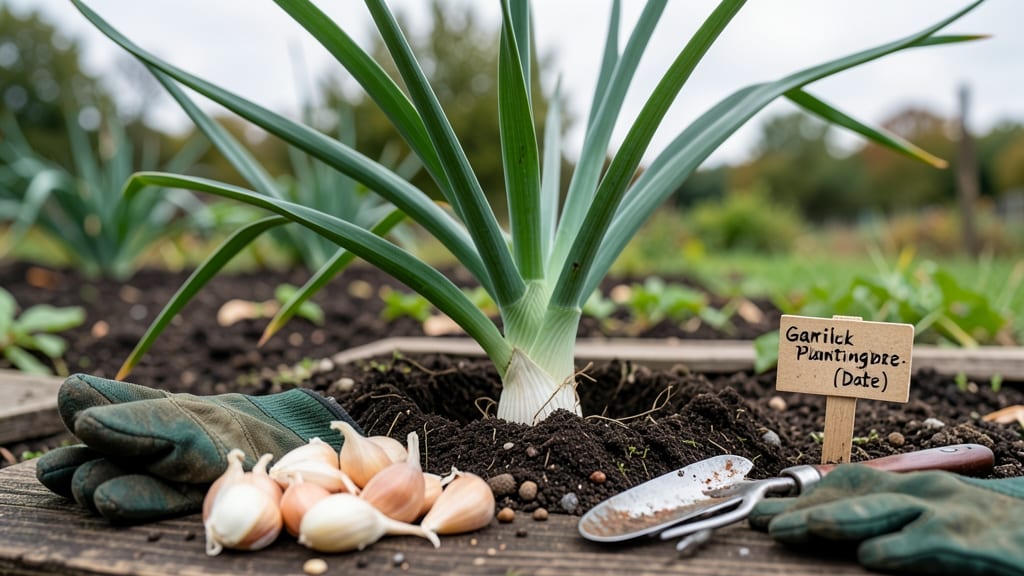
Planting garlic in Oregon at the right time means the difference between a bountiful harvest of flavorful bulbs and a disappointing flop.
If you've ever wondered why some gardeners swear by fall planting while others miss the window entirely, timing is everything—especially in Oregon's 7b-9a zones, where microclimates can shift planting dates by weeks.
For hardneck varieties like those thriving in the Pacific Northwest, the ideal window opens in October and closes by early November. This timing lets garlic establish roots before winter's chill sets in, ensuring strong growth when spring arrives.
But get it wrong, and you might end up with garlic that bolts too soon or struggles to mature.
What makes Oregon unique is how regional differences play a role. Coastal areas like the Willamette Valley can plant later than Eastern Oregon, where colder temperatures arrive sooner. I’ll break down the exact dates for your area and share how to prepare your soil and cloves for success.
Ready to grow juicy, robust garlic that’s perfect for roasting or braiding? Let’s dive into the step-by-step guide that’ll have you harvesting by late June—just in time for summer recipes.
Best fall planting dates for Oregon garlic by region
Oregon’s diverse climate means garlic planting dates vary dramatically from the Willamette Valley to Eastern Oregon and coastal areas. Hardneck varieties like ‘German White’ or ‘Chesnok Red’ thrive when planted 4-6 weeks before the ground freezes, but exact timing depends on your USDA zone and microclimate.
Let’s break it down by region to ensure your garlic gets the perfect start.
In the Willamette Valley (USDA Zone 7b-8a), aim for planting between mid-October and early November. This window accounts for the region’s mild winters and high rainfall, giving garlic enough time to establish roots before winter rains slow growth.
For example, Portland gardeners should plant by October 25th to avoid early bolting from inconsistent soil temperatures.
Eastern Oregon (USDA Zone 7b-6a) has colder winters and earlier frosts, so plant earlier—between mid-September and mid-October.
Areas like Bend or La Grande often see their first hard frost by October 15th, so planting by September 30th ensures garlic roots have time to harden before winter. Use mulch heavily to protect cloves from freezing.
Coastal Oregon (USDA Zone 8b-9a) enjoys milder winters, allowing a slightly later planting window of late October to early November. In Astoria or Newport, the ocean’s moderating influence means soil stays workable longer, but avoid planting after November 10th to prevent rot from excess moisture.
Coastal gardeners can also extend the season by planting softneck varieties in late fall for a fall harvest.
🌱 Oregon Garlic Planting Guide by Region
| Region | USDA Zone | Best Planting Window | Key Consideration |
|---|---|---|---|
| Willamette Valley | 7b-8a | Mid-October to early November | Mild winters, high rainfall |
| Eastern Oregon | 6a-7b | Mid-September to mid-October | Early frosts, colder soils |
| Coastal Oregon | 8b-9a | Late October to early November | Mild winters, moisture risks |
💡 Pro Tip: Use a soil thermometer to confirm soil temps are below 40°F before mulching—this prevents premature sprouting.
Adjust your planting date if you experience unseasonably warm or cold fall weather. For example, if soil temperatures stay above 50°F in late October, delay planting to avoid bolting. Conversely, if a hard freeze hits early, plant as soon as possible—even if it means using row covers for protection.
Always check the Oregon State University Extension for localized frost forecasts.
Soil type also influences timing. In clay-heavy soils (common in the Willamette Valley), plant 2-3 weeks earlier to account for slower warming in spring. For sandy soils (like those in Eastern Oregon), you can plant up to 2 weeks later since they warm faster.
Always loosen soil to 6 inches deep before planting to improve drainage and root penetration.
If you miss the ideal window, don’t panic—December planting is still viable in milder zones like Zone 8b-9a. However, prioritize well-draining soil and heavy mulching (6+ inches of straw) to insulate cloves.
In colder zones, December planting risks frost heave, where freezing and thawing cycles push cloves out of the soil.
For urban gardeners in Portland or Eugene, consider planting ‘Silverskin’ garlic in late fall for a spring harvest or ‘Artichoke’ garlic in early fall for a milder climate adaptation.
These varieties tolerate cooler soils better than traditional hardnecks. Always source organic, untreated garlic from local nurseries to avoid dormancy-breaking chemicals.
Finally, mark your calendar for harvest time: late June to July, when lower leaves yellow and dry. The 180-240 day growing period depends on your planting date and variety, but consistency in timing ensures plump bulbs and bold flavors.
With these regional guidelines, your Oregon garlic will be hardy, high-yielding, and ready for harvest.
Best fall planting dates for Oregon garlic by region
Oregon’s diverse climate means your planting window for garlic can shift dramatically depending on whether you’re in the Willamette Valley, Eastern Oregon’s high desert, or the coastal regions.
For hardneck varieties, aim to plant 4-6 weeks before the ground freezes—this gives roots time to establish before winter’s chill sets in. In most of Oregon, that means mid-October to early November, but regional tweaks are key.
Coastal areas like Astoria or Newport (USDA Zone 8b-9a) can plant later, often until November 15, thanks to milder winters. Meanwhile, Bend or La Grande (Zone 7b) need garlic in the ground by mid-October to avoid early frosts.
Eastern Oregon’s colder nights arrive sooner, so don’t wait past October 20 in these areas.
| Region | USDA Zone | Ideal Planting Window | Last Frost Date | Key Adjustment |
|---|---|---|---|---|
| Willamette Valley | 8a-9a | October 15 - November 10 | February 15 | Plant later if mild winters |
| Eastern Oregon (Bend, La Grande) | 7b | October 1 - October 20 | January 1 | Avoid late planting—soil freezes faster |
| Coastal (Astoria, Newport) | 8b-9a | October 25 - November 15 | February 20 | Warmer microclimates allow later starts |
Check your local first frost date—a quick online search will reveal your exact cutoff. For example, Portland’s frost date is around November 15, while Medford’s is closer to November 5.
Planting too late risks stunted growth, while planting too early can cause garlic to bolt prematurely. Aim for soil temperatures between 40°F and 50°F at planting time for best results.
Pro tip: If you’re unsure about your region’s frost dates, use a soil thermometer to confirm temperatures. Garlic cloves need 6-8 weeks of cold to break dormancy, so timing is everything. For hardneck varieties like ‘German White’ or ‘Chesnok Red’, this chilling period is non-negotiable for bulb formation.
Once you’ve nailed the timing, focus on soil prep. Oregon’s clay-heavy soils in some areas (like the Willamette Valley) benefit from compost or aged manure to improve drainage, while sandy soils in Eastern Oregon may need organic matter to retain moisture.
Mulch heavily with straw after planting to protect against winter rains and temperature swings.
Remember: The goal is to have garlic established but dormant by winter. With the right timing, you’ll harvest plump, flavorful bulbs by late June or July—just in time for summer gardening feasts. 🧄