
Plants
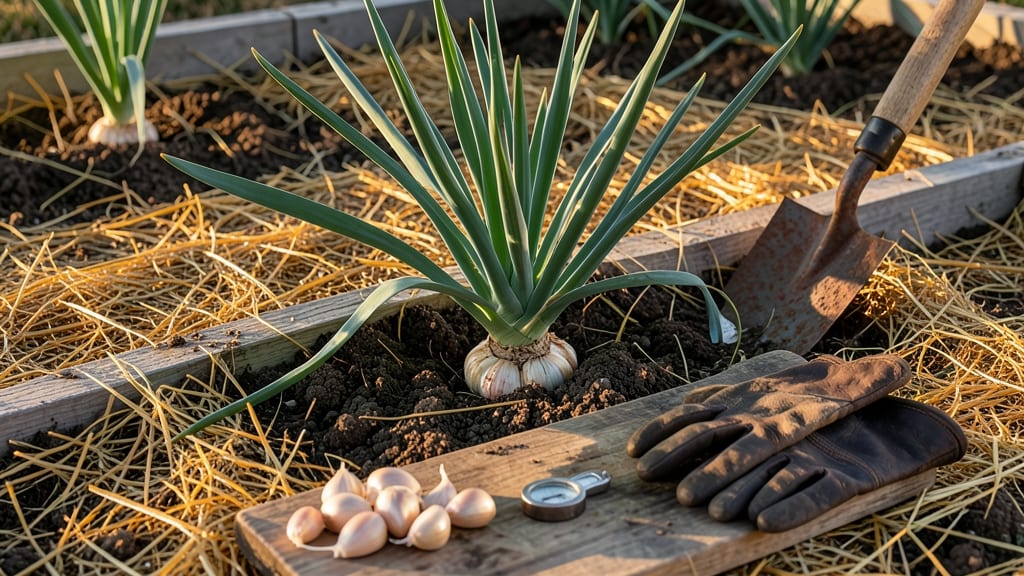
Planting garlic in Colorado isn’t just about tossing cloves into the dirt—it’s a delicate timing game that determines whether your 🧄 harvest thrives or fizzles. The wrong window means rot, while the perfect moment unlocks plump bulbs ready by next summer.
But here’s the catch: hardneck and softneck varieties demand completely different schedules, and Colorado’s elevation swings add another layer of complexity.
Most gardeners in zones 5-7 swear by late September to early November for hardnecks—the classic choice for Colorado’s climate—but softnecks, which store longer, need to hit the ground a few weeks earlier.
Miss the mark, and you risk frost damage or stunted growth. I’ve tested both methods across the Front Range and Western Slope, and the results? Night and day.
In this guide, you’ll learn the exact month-by-month breakdown for your specific elevation, plus soil prep secrets that keep bulbs from shriveling.
Whether you’re a first-timer or a veteran grower, these tips will help you avoid the top 5 Colorado garlic planting mistakes—including why planting too early can turn your cloves to mush.
Ready to grow garlic that rivals the flavors at Colorado’s famous garlic festivals? Let’s get those cloves in the ground the right way—starting with the critical timing window that makes all the difference.
Colorado garlic planting calendar: hardneck vs softneck month-by-month guide
Colorado’s diverse elevations and microclimates make garlic planting a delicate balance. Most gardeners focus on fall planting for hardneck varieties, but softnecks have a narrower window. The key? Plant when soil temps hit 40–50°F—typically 4–6 weeks before hard frost—to ensure roots establish before winter dormancy.
Hardneck garlic (USDA Zones 4–7) thrives in Colorado’s cold winters, while softnecks prefer milder conditions. High-elevation areas (like Denver or Boulder) may need earlier planting than lower elevations (e.g., Pueblo or Grand Junction).
Always check your last frost date—Colorado’s ranges from mid-October to early November depending on location.
🌱
For hardneck garlic, aim for September–October in most of Colorado.
In Zone 4 (e.g., Steamboat Springs), you might push into early November, but avoid planting after soil temps drop below 40°F. Softneck varieties are far less cold-hardy, so plant them by mid-October at the latest—they won’t survive Colorado winters.
Moon phases also play a role: Planting during a waxing moon (when the moon is growing) is said to boost bulb development. Many Colorado gardeners swear by this method, especially for German White or Creole hardnecks, which are popular in the state. Just check a lunar calendar before digging in!
Elevation matters—Front Range gardeners (Denver/Boulder) can plant slightly later than those in Grand Junction or Colorado Springs. Use your local cooperative extension office as a resource; they provide frost-free date maps tailored to your ZIP code.
For example, Denver’s last frost is typically October 15–20, while Grand Junction’s can be as late as November 5.
If you miss the fall window, spring planting is possible but risky in Colorado’s climate. Only attempt it with softneck varieties in Zone 7 (e.g., Pueblo), and plant in March–April when soil temps reach 50°F. Expect smaller yields, though, as garlic thrives on cold stratification over winter.
🌿
Colorado garlic planting calendar: hardneck vs softneck month-by-month guide
Colorado’s USDA Zones 4–7 create unique challenges for garlic growers. Unlike many crops, garlic thrives when planted in fall, but the timing varies dramatically between hardneck and softneck varieties. Hardnecks, like ‘German White’, need a cold period to form bulbs, while softnecks, like ‘Silverskin’, prefer milder winters.
Let’s break down the best months for each variety, accounting for Colorado’s high-elevation microclimates.
For hardneck garlic, the ideal window stretches from late September to early November. This aligns with soil temperatures dropping to 40–50°F, triggering dormancy.
In Zone 4 (e.g., Steamboat Springs), plant by mid-October to avoid winter kill, while Zone 7 (e.g., Colorado Springs) gardeners can extend planting until early November. The key is to plant 4–6 weeks before the ground freezes—typically by early November on the Front Range.
| Variety | Best Planting Months (Colorado) | Soil Temp Threshold | Notes for Colorado |
|---|---|---|---|
| Hardneck (e.g., 'German White', 'Chet’s Italian') | Late September–Early November | 40–50°F | Cold-hardy; needs vernalization. Plant in Zone 4 by mid-October, Zone 7 by early November. |
| Softneck (e.g., 'Silverskin', 'Artichoke') | September–October | 50–60°F | Milder winters; plant earlier than hardnecks. Risk of frost damage if planted too late. |
🌱 Pro Tip: Use a soil thermometer to confirm temps—garlic roots grow best when soil is 50–60°F.
Softneck garlic, on the other hand, prefers September to early October planting. These varieties tolerate milder winters but struggle with prolonged freezing. In Denver (Zone 5), aim for mid-September to ensure bulbs establish before winter.
Higher elevations (e.g., Aspen, Zone 4) may need to plant by late August to avoid frost damage. Softnecks also benefit from mulching with straw (4–6 inches) to insulate bulbs during Colorado’s winter temperature swings.
Moon phases play a subtle but noticeable role in garlic success. Planting during the waning moon (after a full moon) is said to encourage bulb development, while the waxing moon promotes leaf growth.
Check a gardening moon calendar for Colorado’s phases—October’s waning moon (around the 14th–21st) is ideal for hardnecks. Pair this with well-draining soil (amend with compost if needed) to prevent rot, a common issue in Colorado’s clay-heavy soils.
Spring planting is not recommended for Colorado garlic, as the growing season is too short. If you miss fall, your best bet is to buy fresh cloves from a local nursery in spring (e.g., High Country Gardens) and plant them immediately.
However, spring-planted garlic rarely matures fully in Colorado’s 165-day frost-free period, resulting in small, weak bulbs. For consistency, stick to fall planting and plan your harvest for mid-July to early August.
Remember: Colorado’s elevation differences matter. The Western Slope (e.g., Grand Junction, Zone 6) can plant 2–3 weeks later than the Front Range due to warmer nights. Always adjust your schedule based on your local last frost date—check the Colorado State University Extension for hyper-local guidance.
With the right timing, you’ll enjoy plump, flavorful bulbs that outshine store-bought varieties.