
Companion Plants
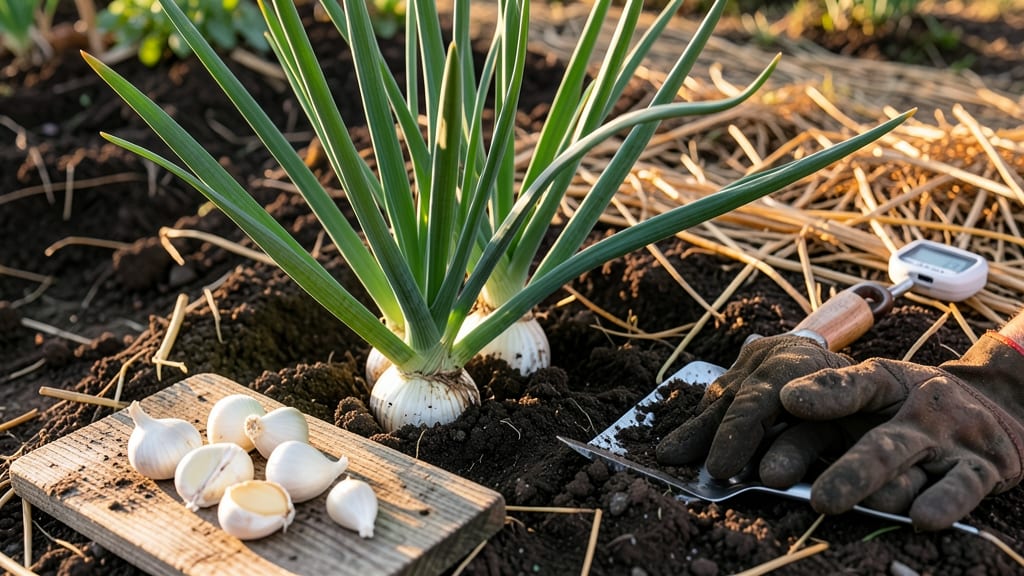
Planting garlic in Western Pennsylvania at the wrong time can mean the difference between plump, flavorful bulbs and disappointing harvests. The key to success lies in understanding your local frost dates and soil conditions—because timing is everything when it comes to growing 🧄 that thrives in Zone 6a’s chilly climate.
Most gardeners in Western PA swear by fall planting, between October and November, when temperatures drop but the ground stays workable. This gives the roots time to establish before winter sets in, ensuring stronger plants come spring.
But what if you miss that window? We’ll cover how to adjust for late starts and even explore whether spring planting could work for you.
Beyond the calendar, soil prep makes all the difference. Hardneck varieties like ‘Music’ or ‘German White’ handle our winters best, but softnecks need extra care to avoid frost damage.
I’ll walk you through the exact steps to prepare your soil, from pH adjustments to mulching techniques that protect your crop through unpredictable PA winters.
Ready to grow garlic that rivals the grocery store? Let’s dive into the exact months, local frost considerations, and pro tips that’ll have you harvesting plump bulbs by late June. Your garden—and your taste buds—will thank you.
Best planting months for garlic in Western PA’s climate zones
Western Pennsylvania’s USDA Zones 5b-6a create unique challenges for garlic growers. The key to success lies in planting 4-6 weeks before the ground freezes, typically between mid-October and early November.
This timing ensures garlic establishes roots before winter while avoiding late-season growth that can damage bulbs in unpredictable springs.
For Pittsburgh and surrounding areas (Zone 6a), aim for planting between October 15th and November 1st. In Erie and rural areas (Zone 5b), push planting slightly earlier—October 1st to October 25th—to account for colder winters.
These windows give garlic enough time to root before consistent sub-freezing temperatures arrive.
Here’s the critical rule: Never plant garlic after November 10th in Western PA. Late plantings risk overwintering failures or spring flushes that weaken bulb development. The first hard frost (typically mid-October) signals your planting window’s opening, while the last frost (around mid-November) marks its close.
Pro tip: Use Penn State Extension’s frost date maps for your specific county. For example, Allegheny County averages its last frost on November 15th, while McKean County sees it by November 1st. Adjust your schedule accordingly to avoid early spring surprises.
🌱
| Western PA Region | Ideal Planting Window | Key Consideration | USDA Zone |
|---|---|---|---|
| Pittsburgh & South Hills | October 15–November 1 | Mild winters, watch for late frosts | Zone 6a |
| Erie & Northwest PA | October 1–October 25 | Colder winters, earlier frost | Zone 5b |
| Rural Areas (e.g., Somerset) | October 10–October 20 | Harsher microclimates | Zone 5b |
| State College & Central PA | October 20–November 5 | Moderate winters | Zone 6a |
Spring planting is possible in Western PA, but it’s a high-risk gamble. If you must plant in spring, do so by March 1st and use hardneck varieties like ‘Music’ or ‘German White’.
These varieties mature faster (90-100 days) than softnecks, but bulbs will be smaller and less flavorful than fall-planted garlic.
For container gardening in urban areas like Pittsburgh, follow the same October-November window. Use 5-gallon pots with well-draining soil and plant 3-4 cloves per pot. Containers warm up faster in spring, so monitor for early growth and protect from late frosts with frost cloth.
🌡️
Remember: The soil temperature should be below 50°F (10°C) when you plant. Use a soil thermometer to confirm—planting in warm soil triggers early growth that can’t survive winter. In Western PA, soil temps drop below 50°F by mid-October, aligning perfectly with your planting window.
Check Penn State Extension’s local weather station data for your county’s 30-year frost averages. For example, Washington County has a 30% chance of frost after November 15th, while Butler County drops below freezing by November 10th. These insights help you fine-tune your schedule for maximum bulb success.
Best planting months for garlic in Western PA’s climate zones
Western Pennsylvania’s Zone 5b-6a climate demands precise timing for garlic planting. The ideal window is between mid-October and early November, when soil temperatures drop below 70°F but remain workable. This timing ensures roots establish before winter while avoiding early frost damage.
For Pittsburgh (Zone 6a), aim for planting by November 1st—any later risks weak root development. In Erie (Zone 5b), push planting to late September due to earlier frosts. Always check your last frost date (typically mid-November) to adjust timing.
Here’s how to align planting with Western PA’s microclimates:
| Region | USDA Zone | Best Planting Window | Soil Prep Tip |
|---|---|---|---|
| Pittsburgh | 6a | Mid-October to November 1 | Add compost for drainage |
| Erie | 5b | Late September to October 15 | Use straw mulch for insulation |
| Rural Areas | 5b-6a | October 1-15 | Test soil pH (6.0-7.0) |
Spring planting is possible but risky in Western PA. If you miss fall, plant softneck varieties in late March—they tolerate warmer soil better. However, bulbs may be smaller and less flavorful compared to fall-planted garlic.
Pro tip: Use cloves from local nurseries (like Penn State Extension recommendations) for varieties bred to survive our winters. Avoid grocery-store garlic—it’s often treated to prevent sprouting and won’t perform well.
For hardneck garlic, which thrives in our climate, plant 2-4 weeks before the ground freezes. This gives roots time to anchor before winter dormancy. Mark your calendar now—Western PA’s short growing season won’t wait!