
Plants
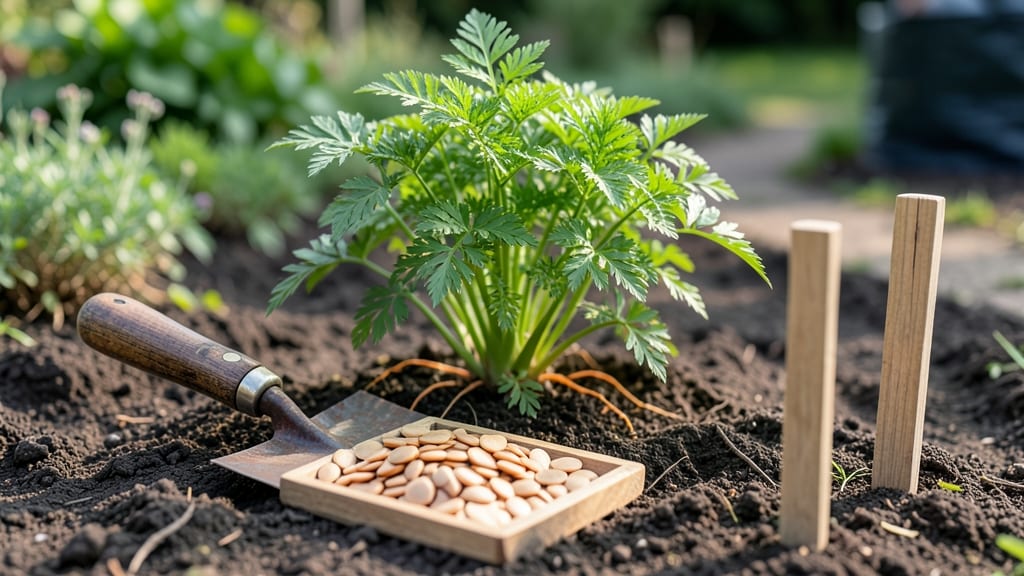
Planting carrots in Georgia at the wrong time can mean the difference between sweet, crisp harvests and bitter, stunted roots—so timing is everything. With USDA zones 7b-8b offering two prime windows, you can enjoy fresh 🥕 from spring to fall if you know exactly when to start seeds.
Most gardeners in the Peach State reach for their carrot seeds in early spring, but did you know fall planting often yields even sweeter roots? The key is understanding your region's frost dates and soil temperatures, whether you're in the Piedmont or Coastal Plain.
In this guide, I'll break down the exact planting deadlines for both seasons, plus pro tips to avoid common mistakes like bolting or rocky soil ruining your crop. Ready to grow carrots like a Georgia pro?
You'll learn how to prep your soil, time succession plantings, and adjust for microclimates—so you can enjoy homegrown 🥕 from April through November without a single wasted seed.
Georgia carrot planting calendar: best spring & fall deadlines by region
Georgia’s diverse climate—from the humid Coastal Plain to the cooler Blue Ridge Mountains—means carrot planting times vary by region. In North Georgia (USDA Zones 7a-7b), like Athens or Blairsville, frost lingers until mid-April, while South Georgia (Zone 8a), like Savannah, enjoys frost-free soil by mid-February.
Middle Georgia (Zone 7b-8a) falls in between, with late March as the cutoff for spring planting.
For sweet, crisp carrots, aim to plant when soil temps hit 50°F (10°C)—too cold, and seeds rot; too hot, and they bolt. Spring is your best bet, but fall offers a second chance for late-summer varieties like 'Danvers' or 'Nantes', which thrive in cooler weather.
Here’s your region-specific planting timeline to maximize harvests before Georgia’s brutal summer heat sets in:
| Region | Spring Planting Window | Fall Planting Window | Avg. Last Frost | Harvest Time |
|---|---|---|---|---|
| North GA (Athens, Blairsville) | Mid-March to early May | Late July to mid-Sept | April 15 | May–June, Oct–Nov |
| Middle GA (Macon, Columbus) | Late Feb to early April | Early Aug to late Sept | March 20 | April–May, Sept–Oct |
| South GA (Savannah, Valdosta) | Jan–early March | Late July to early Sept | Feb 15 | March–April, Sept–Nov |
Pro tip: Use succession planting every 2 weeks in spring to stagger harvests. In South Georgia, you can even squeeze in a winter crop (Nov–Jan) with cold-hardy varieties like 'Paris Market' under row covers.
For fall carrots, start seeds 8–10 weeks before your first frost (aim for late July–early August in most zones). This ensures roots mature before soil cools below 50°F, which slows growth. Avoid planting after mid-September, or your crop may bolt or rot.
Georgia’s summer heat (90°F+) is deadly for carrots—roots turn woody and bitter. If you miss the spring window, opt for shade-tolerant varieties like 'Rainbow' or grow them in partial shade with afternoon protection. Mulch heavily to keep soil cool and moist.
Don’t forget: Carrot seeds need darkness to germinate. Press them ¼-inch deep and keep soil consistently moist until sprouts appear (usually 10–14 days). Thin seedlings to 2–3 inches apart to prevent crowding and forked roots.
For container gardening, choose short varieties like 'Little Finger' (4 inches long) and plant in 12-inch-deep pots with well-draining mix. Follow the same timing as in-ground planting—containers heat up faster in summer!
🌱
How to adjust carrot planting for Georgia's microclimates & soil types
Georgia’s diverse climate—from the humid Coastal Plain to the cooler Piedmont—means your carrot planting strategy should adapt to your local microclimate. In North Georgia (USDA Zone 7b), where frosts linger until mid-April, start seeds indoors in February for transplanting after the last frost.
Meanwhile, South Georgia (Zone 8b) gardeners can sow directly in January and enjoy an extended harvest.
Soil type plays a critical role too. Clay-heavy soils common in the Piedmont need amending with compost to prevent forked roots, while sandy loam in Coastal areas drains too quickly—mix in organic matter to retain moisture. Urban gardeners with containers should use a lightweight potting mix with perlite for aeration.
For heirloom varieties like 'Danvers Half Long,' aim for February-March planting in all regions, but baby carrots like 'Paris Market' thrive with succession planting every 2 weeks from March through May. This staggered approach ensures a continuous harvest window from May to October.
🌱 Georgia Carrot Planting Adjustments
- Test soil pH (aim for 6.0-6.8)
- Use row covers for early spring protection
- Plant shorter varieties in containers
- Succession plant every 2 weeks for continuous harvest
- Plant in compacted or rocky soil
- Over-fertilize with high nitrogen (causes leafy tops)
- Ignore soil moisture during summer heat
- Skip thinning seedlings (crowding stunts roots)
Row covers are your secret weapon for extending seasons. In North Georgia, use them to plant 3-4 weeks earlier in spring or delay fall planting by 2 weeks.
For South Georgia, they help protect against late summer pests like carrot rust fly. Choose lightweight fabric that allows 60-70% sunlight to reach plants.
Container gardening works beautifully for small-space gardeners. Choose 5-gallon pots for full-sized carrots or 3-gallon pots for baby varieties. Fill with a mix of 50% potting soil, 30% compost, and 20% perlite.
Plant seeds 1/4 inch deep and keep soil consistently moist—containers dry out 3x faster than in-ground beds.
For clay soil gardens, double-dig before planting: remove 6-8 inches of topsoil, mix with compost and sand, then replace. This creates a loose, rock-free environment that prevents forked roots.
In sandy soils, add 2 inches of compost to the top 12 inches of soil before planting to improve water retention.
Remember: Succession planting is key to avoiding glut. In North Georgia, make your last spring planting by May 15; in South Georgia, you can extend to June 1. For fall crops, start seeds by August 15 in all regions to harvest before first frost.