
Companion Plants
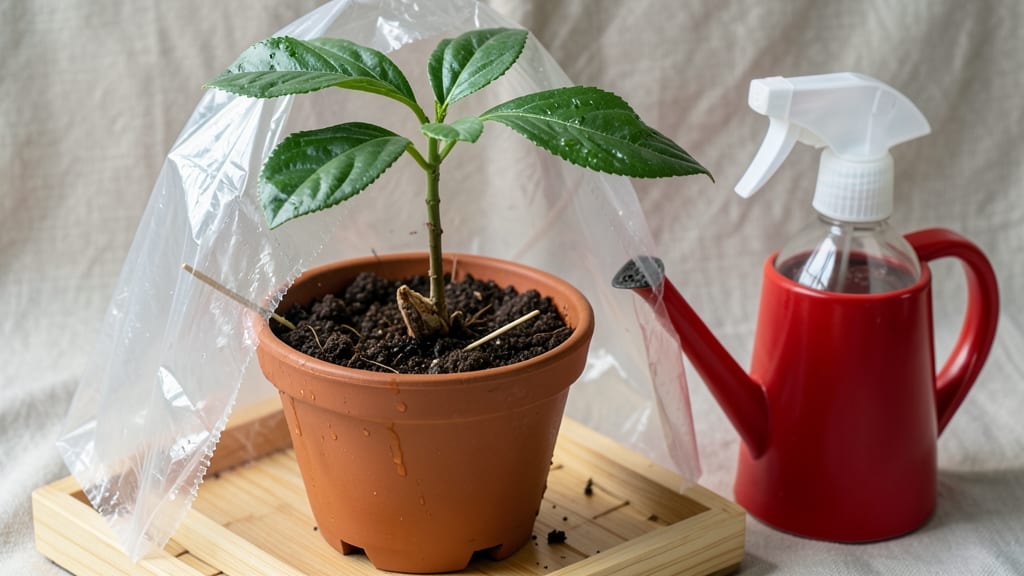
Planting your avocado seed in dirt at the wrong time can turn your 🥑 project into a soggy mess—no one wants to watch their seedling drown before it even gets a chance to grow.
The key to success lies in waiting until those first 2-3 inches of roots appear, signaling it’s ready to trade its water glass for real soil.
Most gardeners in Zone 6a should aim for late spring, after the last frost (around mid-April), when temperatures consistently stay above 50°F.
But here’s the trick: if you’re starting indoors, you can plant as early as March in a warm spot near a sunny window—just make sure your seedling has strong roots before moving it outside.
Why rush? Transplanting too soon stresses delicate roots, while waiting too long risks overgrown roots that struggle to adapt. I’ll show you how to check for readiness and prepare the perfect soil mix so your avocado seedling thrives from day one.
Skip the guesswork and learn the exact steps to give your 🥑 tree the fastest, healthiest start—because patience now means bigger harvests later (even if that’s still years away!).
Optimal time to plant avocado seed in dirt: germination stages explained
Timing is everything when you’re ready to move your avocado seed from its water glass to soil. The key is waiting until the seed develops roots 2-3 inches long and 2-3 small leaves.
This usually takes 4-8 weeks, depending on warmth and humidity. Planting too soon risks root damage, while waiting too long can stunt growth.
Avocado seeds thrive in warmth (70-85°F), so aim to plant in spring (March-April in most zones). If you started your seed in winter, it may need extra light to speed up germination. Indoor grow lights or a south-facing window can help bridge the gap until outdoor temperatures stabilize.
Climate plays a huge role—tropical zones can plant year-round, while temperate climates must wait until after the last frost date. In USDA Zone 6a, that’s typically after April 15. Always check your local frost dates to avoid cold snaps that can shock delicate seedlings.
Here’s the critical timeline to watch for: Week 1-2: Tiny root sprouts appear Week 3-4: Roots reach 1-2 inches (time to prep soil) Week 5-8: 2-3 leaves form (ready for transplant)
| Germination Stage | Root Length | Leaf Development | Best Time to Plant | Climate Notes |
|---|---|---|---|---|
| Root Sprout | 0.5-1 inch | None | Keep in water | Too fragile for soil |
| Early Roots | 1-2 inches | 1 small leaf | Prep soil mix | Indoor light needed |
| Ready Stage | 2-3 inches | 2-3 leaves | Plant in soil | After last frost |
| Established | 3+ inches | 4+ leaves | Repot if needed | Outdoor transplant |
For indoor starters, use a well-draining potting mix (50% peat, 30% perlite, 20% compost). Avoid garden soil—it compacts and suffocates roots. If transplanting outdoors, wait until soil temps reach 60°F+ and night temps stay above 50°F to prevent shock.
Pro tip: Acclimate seedlings to outdoor conditions over 7-10 days before permanent planting. Place them in partial shade for a few hours daily, then gradually increase sun exposure. This hardens the plant and reduces transplant shock.
Watch for yellowing leaves or drooping stems—these are red flags. Yellowing often signals overwatering, while drooping can mean underwatering or root stress. Adjust your watering routine immediately to correct these issues.
In tropical climates, you can plant avocado seeds year-round, but spring still offers the best balance of warmth and moisture. If you’re in a cooler zone, consider starting seeds indoors in February to give them a head start before the last frost.
Remember, patience is key. Rushing the transplant can set your seedling back weeks or even kill it. Take your time, monitor growth closely, and your avocado tree will reward you with years of lush foliage—if not fruit! 🌱
Optimal time to plant avocado seed in dirt: germination stages explained
Timing your avocado seed’s move from water to soil hinges on two key signs: root length and leaf development. Most seeds are ready when roots reach 2-3 inches—this means they’ve developed enough to handle soil without drowning.
If you rush too soon, delicate roots break easily; wait too long, and they’ll tangle in the water glass, making transplanting painful.
For Zone 6a gardeners, aim for late spring (mid-April) after the last frost, but indoor starters can start as early as March in a warm, sunny spot.
The goal? Plant when your seedling has 2-4 true leaves and roots that fill the glass halfway—this combo signals it’s strong enough for soil.
🌱 Pro Tip: Test readiness by gently tugging the seed—if roots resist slightly, it’s ready. If they slide out effortlessly, wait another 1-2 weeks. Patience here prevents root shock and sets your tree up for success.
Avocado Seedling Readiness Checklist
| Stage | Signs of Readiness | Action |
|---|---|---|
| Early Germination | Roots <1 inch, 1-2 leaves | Keep in water, change weekly |
| Active Growth | Roots 1-2 inches, 3-4 leaves | Prepare soil mix (50% potting soil, 50% perlite) |
| Transplant Ready | Roots 2-3 inches, 4+ leaves | Plant in soil, keep moist for 2 weeks |
Climate matters! In warmer zones (8a+), you can plant outdoors as early as February, but cooler zones (6a-7a) should wait until after May 1 to avoid frost damage. If you’re unsure, err on the side of waiting—your seedling will thank you with stronger growth.
Watch for new leaf growth after transplanting—this means roots are adapting well. If leaves yellow or wilt, you’ve either overwatered or planted too early. Adjust by letting soil dry slightly between waterings and providing bright, indirect light for the first week.
Remember: Your avocado seed’s first year is about root establishment, not fruit. Focus on consistent moisture, well-draining soil, and 6+ hours of sunlight daily to give it the best start. With the right timing, your seedling will grow into a 🌳 that could one day bear fruit!