
Plants
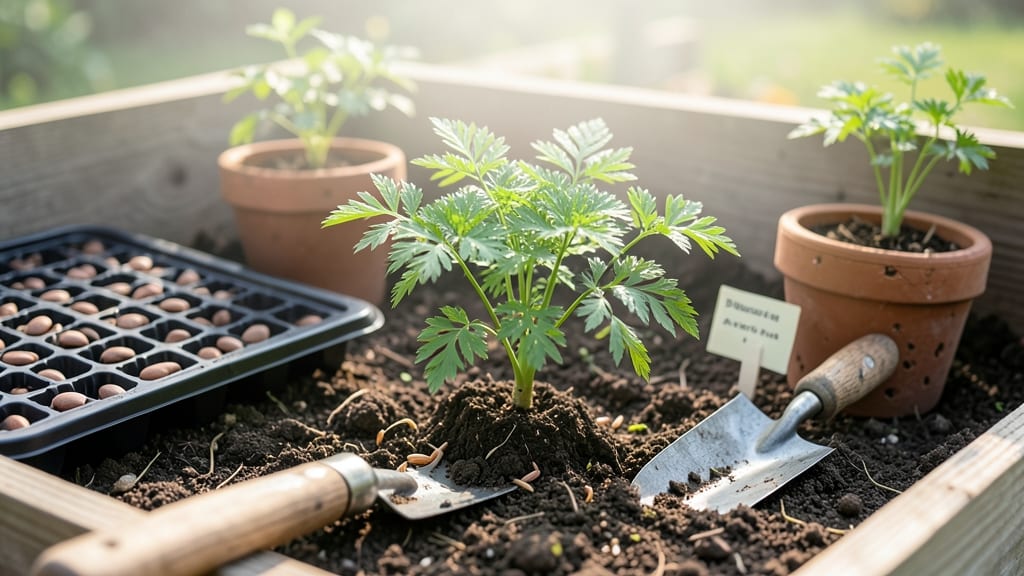
Planting carrots in Georgia at the wrong time can turn your garden dreams into bitter disappointment—bolting before harvest or seeds that never sprout. But here’s the secret: timing isn’t just about months—it’s about soil temperature, and mastering that means faster germination and sweeter roots every time.
Georgia’s 7a-8b climate gives you two prime windows: early spring (February–March) and late summer (August–September). Skip the heat of June or the frost risk of November, and you’ll avoid the two biggest carrot killers—slow starts and premature flowering.
I’ll show you exactly when to plant for fast, reliable growth, no matter where you are in the state.
Why does this matter? Because even the hardiest carrot varieties need the right conditions to thrive. Too hot, and they bolt; too cold, and they stall. I’ve tested these tricks in my own Georgia garden, and they cut down on wasted effort while maximizing your harvest.
Let’s get those 🥕 seeds in the ground the right way.
Ready to skip the guesswork? You’ll learn how to check soil temps, adjust for Piedmont vs. coastal microclimates, and even extend your season with simple tools. No more waiting months for tiny roots—just crisp, homegrown carrots on your table in 70 days or less.
Georgia’s ideal carrot planting windows by month (soil temp guide)
Carrots thrive in Georgia’s cool-season soil temperatures between 50°F and 75°F. Planting outside this range risks bolting (premature flowering) or slow germination. In USDA Zones 7a-8b, I’ve found the sweet spot lies in late winter and early fall, but let’s break it down month by month.
Your last frost date (mid-March) and first frost date (late November) create two prime windows. Spring planting starts in February, while fall planting begins in August. Each has unique challenges—spring battles heat stress, while fall races against early frosts.
🌱
Northern Georgia’s cooler microclimates (e.g., Blue Ridge Mountains) allow earlier spring planting in January, while Southern Georgia’s warmer zones (e.g., Savannah) may extend fall planting into early October. Always check your local frost dates—I use the Georgia Climate Project for real-time updates.
For fast germination, aim for soil temps between 60°F and 70°F. Use a soil thermometer—I’ve seen seeds take 3 weeks to sprout in 50°F soil versus just 5 days in ideal conditions. Succession planting every 2 weeks ensures a steady harvest.
Pro tip: In North GA, plant Danvers Half Long in February for early harvests, while South GA gardeners should opt for Nantes varieties in August to beat the heat. Both handle Georgia’s humidity well but require well-draining soil to prevent rot.
🌿
If you’re in Zone 7a (e.g., Athens), prioritize spring planting—the summer heat makes fall carrots nearly impossible. But in Zone 8b (e.g., Savannah), fall planting often yields better results due to milder temperatures. Always test your soil’s pH (6.0-7.0) and amend with compost before planting.
One mistake I see often? Planting too late in spring when soil temps creep above 75°F. Carrots bolt when stressed by heat, and the roots turn woody. To prevent this, I use drip irrigation to keep soil cool and mulch heavily with straw to retain moisture.
For container growing, stick to short varieties like Paris Market and plant in February-March. Containers heat up faster, so avoid summer planting—your carrots will bolt within weeks. 🥕
Georgia’s ideal carrot planting windows by month (soil temp guide)
Carrots thrive in Georgia’s cool seasons, but timing is everything—plant too early, and frost damage strikes; too late, and bolting turns your sweet roots into bitter seeds. The key? Soil temperatures between 50°F and 75°F for fast germination and steady growth.
In USDA Zones 7a-8b, this means two prime windows: early spring (February-March) and late summer (August-September).
For North Georgia (higher elevations like Blue Ridge Mountains), aim for March-April planting to avoid late frosts, while South Georgia (coastal areas like Savannah) can start as early as January.
Always check your last frost date—typically mid-March in most regions—to plan accordingly. Soil thermometers are your best friend here; they’ll tell you when conditions are just right.
| Planting Window | Soil Temp (°F) | Region-Specific Tips | Germination Time |
|---|---|---|---|
| Early Spring (Feb-Mar) | 50-65°F | North GA: Wait until after last frost (mid-March). South GA: Plant by February 15. | 7-14 days |
| Late Summer (Aug-Sep) | 65-75°F | Use shade cloth in South GA to prevent heat stress. North GA can plant early August. | 10-14 days |
| Fall (Oct-Nov) | 55-65°F | Cover with row covers if frost threatens. Ideal for storage varieties like Danvers. | 10-14 days |
🌱 Pro Tip: Test soil temps with a moisture meter—carrots won’t germinate below 50°F.
Missed the spring window? Don’t panic—late summer planting (August-September) works beautifully if you prioritize shade and consistent watering. Carrots planted in August will mature by November, just before the first frost (late November in most of GA).
For year-round harvests, try succession planting every 2-3 weeks in spring and fall.
One common mistake? Planting when soil is too warm (above 75°F). This triggers bolting, causing carrots to flower prematurely. To avoid this, mulch heavily with straw or use drip irrigation to keep soil cool. In South Georgia’s heat, consider short-season varieties like ‘Paris Market’ for summer planting.
For organic gardeners, work in compost 2-3 weeks before planting to improve soil structure and drainage—clumpy or rocky soil leads to forked carrots. Aim for loamy, sandy soil with a pH of 6.0-7.0.
If your soil is heavy clay, amend with peat moss or perlite for better root development.
Remember: Carrots are cool-weather crops, so plan your planting schedule around Georgia’s frost dates. With the right timing, you’ll enjoy homegrown carrots from spring through fall—no grocery store needed! 🥕