
Plants
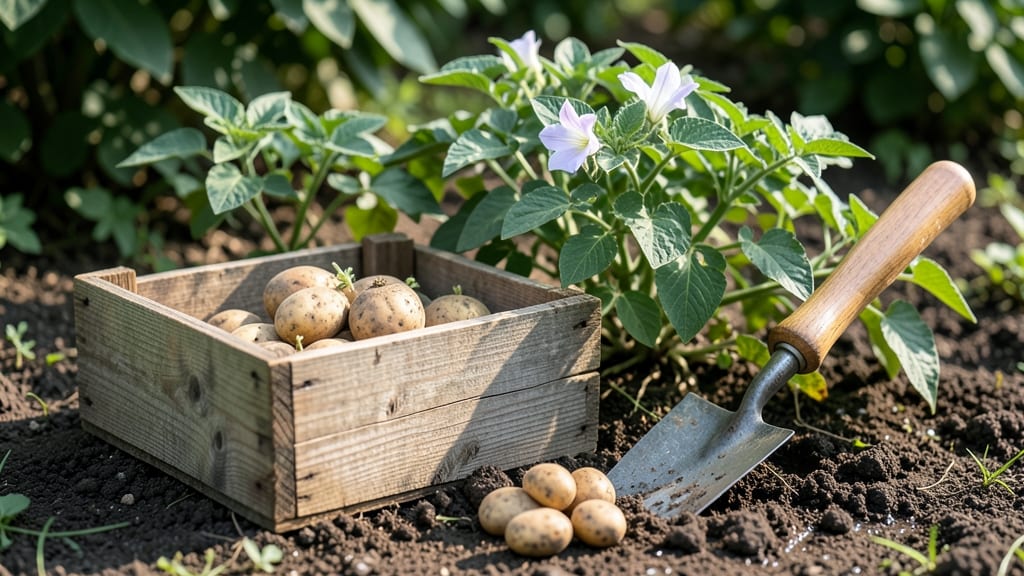
Planting potatoes in Colorado isn’t just about tossing a few seed potatoes into the dirt—it’s a calculated dance with frost dates, elevation shifts, and the state’s famously fickle spring weather.
If you’ve ever watched your tender sprouts crisp under an unexpected late frost, you know how quickly a missed window can turn a promising harvest into a lesson in patience.
The key to success lies in understanding your local microclimate, whether you’re in Denver’s 5b-6a zone or the higher elevations where frost lingers longer. Early varieties like Yukon Gold can handle Colorado’s March-April planting window, while late-season types need precise timing to avoid black fly infestations or early blight.
Let’s break down the exact moments to plant for a zero-frost guarantee.
You’ll learn how to read soil temperatures, adjust for high-altitude delays, and use row covers to extend your growing season—because in Colorado, where last frost dates can swing from mid-April to early May, preparation is everything.
With the right strategy, you’ll turn your garden into a potato powerhouse by June or July, just in time for fresh harvests.
Whether you’re a first-timer or a seasoned gardener, these proven techniques will help you sidestep common pitfalls and maximize your yield. Ready to dig in?
Best planting windows for Colorado potatoes: frost-free timing by region
Colorado’s diverse elevations and microclimates create a tricky puzzle for potato growers. The Front Range (Denver/Boulder) has last frost dates around April 15, while the Western Slope (Grand Junction) can plant 2-3 weeks earlier.
Meanwhile, the Eastern Plains (Pueblo) often wait until mid-April to avoid late frosts. These regional differences mean your planting window could vary by 6 weeks across the state!
For most Colorado gardeners, the ideal planting window falls between March 15 and April 15, but this shifts based on your elevation and microclimate.
High-altitude areas like Fort Collins (6,000 ft) may need to wait until late April, while lower desert regions like Alamosa (8,000 ft+) can start as early as March 1 for cold-hardy varieties.
Here’s the key rule: Plant seed potatoes 2-4 weeks before your average last frost date. This gives young plants time to establish roots before soil temperatures consistently stay above 40°F—the minimum for potato growth.
In Colorado’s USDA Zones 4-7, this means most gardeners should aim for early to mid-April as their target.
| Region | Avg. Last Frost | Ideal Planting Window | Best Varieties |
|---|---|---|---|
| Front Range (Denver/Boulder) | April 15 | March 20 - April 10 | Yukon Gold, Kennebec, Red LaSoda |
| Western Slope (Grand Junction) | March 25 | March 1 - March 15 | Red Pontiac, Russian Banana, Fingerlings |
| Eastern Plains (Pueblo) | April 10 | March 25 - April 5 | Katahdin, Purple Viking, Goldrush |
| High Altitude (Aspen/Leadville) | May 10 | April 15 - May 1 | Early Rose, Irish Cobbler, Norgle |
*Varieties listed are cold-tolerant and perform well in Colorado’s climate
If you’re planting early varieties like Yukon Gold or Red LaSoda, you can push the envelope and start as early as February in sheltered microclimates. These cold-hardy potatoes can tolerate light frosts, but avoid planting when soil temps drop below 35°F, as this can stunt growth.
For high-altitude gardens above 7,000 feet, consider using row covers to protect young plants from late frosts.
Colorado’s short growing season (typically 140-180 frost-free days) means timing is everything. Planting too early risks blackleg disease from cold, wet soil, while planting too late cuts your harvest window short.
The sweet spot is planting when soil temperatures reach 45°F—warm enough for root growth but cool enough to prevent bolting (premature flowering).
For gardeners in Zone 4 areas (northern Colorado), focus on early-maturing varieties like Early Rose (60 days) or Irish Cobbler (70 days).
In Zone 6-7 regions (southern Colorado), you can afford slightly later varieties like Kennebec (90 days) or Russet Burbank (100 days) while still enjoying a full harvest before the first frost.
Pro tip: Use chitting (pre-sprouting) to jumpstart your season. Place seed potatoes in a cool, bright spot (50-60°F) 4-6 weeks before planting. This gives you a 2-3 week head start on growth, which is critical in Colorado’s short spring.
Just avoid letting sprouts grow longer than 1 inch before planting, or they’ll be fragile.
Remember, Colorado’s unpredictable weather means flexibility is key. Always have row covers or plastic mulch on hand to protect young plants from unexpected late frosts.
With the right timing and preparation, you can enjoy a bountiful potato harvest from June through August, regardless of where you garden in the Centennial State! 🥔
How to calculate your local potato planting date using hardiness zones
Determining the exact potato planting window in Colorado requires more than just checking a calendar—it’s about understanding your USDA hardiness zone and local microclimates. Colorado spans zones 4-7, with Denver typically falling in 5b-6a.
This means your last frost date can vary dramatically, from mid-April in lower elevations to late May in mountain regions.
Start by identifying your zone using the USDA Plant Hardiness Zone Map. Then, cross-reference this with Colorado’s average last frost dates, which shift 1-2 weeks earlier every 1,000 feet in elevation.
For example, Fort Collins (zone 5a) averages a last frost around April 20, while Grand Junction (zone 7a) sees frost-free conditions by March 15.
| Colorado Region | USDA Zone | Avg. Last Frost | Ideal Planting Window |
|---|---|---|---|
| Front Range (Denver, Boulder) | 5b-6a | April 15-May 1 | March 15-April 15 |
| Western Slope (Grand Junction) | 7a-7b | March 15-April 1 | February 15-March 15 |
| Eastern Plains (Pueblo) | 6b-7a | April 1-May 1 | March 1-April 1 |
| Mountain Regions (Aspen) | 4a-5a | May 15-June 1 | April 15-May 15 |
🌱 Pro Tip: Use the Old Farmer’s Almanac or CoCoRaHS for hyper-local frost data.
Next, check your soil temperature, which should reach at least 45°F for 2-3 weeks before planting. Cold soil delays sprouting and increases disease risks like early blight. Use a soil thermometer or dig a small hole—if the soil feels cool to the touch, wait a few more days.
For high-altitude areas (above 6,000 feet), account for a shorter growing season by choosing early-maturing varieties like Yukon Gold (90 days) or Red LaSoda (80 days). These thrive in Colorado’s cooler temperatures and resist black fly infestations, a common pest in early spring.
Finally, adjust your planting date based on your harvest goals. For a summer harvest, plant in early April. For fall storage potatoes, succession plant every 2-3 weeks until mid-June. This staggered approach ensures a continuous supply and maximizes your 140-180 frost-free days.
By combining hardiness zone data, soil temperature checks, and local frost forecasts, you’ll pinpoint the perfect window to plant potatoes in Colorado—guaranteeing a bountiful, pest-resistant harvest every season. 🌿