
Planting
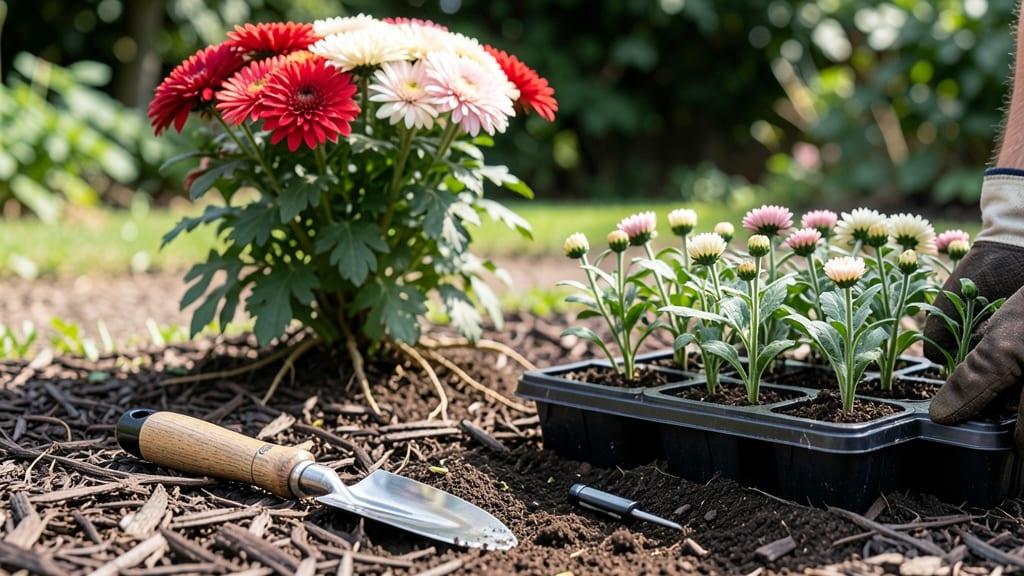
Planting your 🌼 mums in the ground at the right time means the difference between a showstopping fall display and sad, stunted blooms. The key window—late spring to early summer or early fall—depends on your USDA zone and whether you're planting for summer or fall color.
If you're in Zone 6a (like me!), aim for June or early July for summer blooms, or late August to early September for that classic fall show. But here's the catch: planting too early or too late can leave your mums struggling with heat stress or frost damage.
I've learned the hard way that timing matters—especially when it comes to soil temperature and daylight hours. Too soon, and your mums might bolt (yes, even flowers can get impatient!). Too late, and they won't have enough time to root before winter sets in.
Don't worry if you missed the ideal window—there are ways to adjust, like cold-hardening transplants or using row covers. Let me walk you through the exact steps to get your mums thriving, no matter when you plant them.
Best planting dates for mums by US hardiness Zone (with frost charts)
Planting mums (chrysanthemums) at the right time ensures vibrant fall blooms and strong root development. The ideal window depends on your USDA zone and whether you’re planting for spring or fall blooms.
For most gardeners, late spring to early summer (after the last frost) or early fall (4-6 weeks before the first frost) works best.
In colder zones (3-5), aim for late May to early June to avoid early frost damage. Warmer zones (7-11) can plant as late as early October, but soil temperatures below 50°F can stunt growth. Always check your local last frost date—this is your golden rule for timing.
Here’s how to calculate your perfect planting window: Subtract 4-6 weeks from your first frost date for fall blooms. For example, if frost hits October 15, plant by September 15. Use this frost-free timeline to guide your schedule:
| Zone | Last Frost Date | Ideal Planting Window | Notes |
|---|---|---|---|
| 3-5 | May 15 - June 1 | Late May - Early June | Cold-hardy varieties only; mulch heavily. |
| 6-8 | April 15 - May 15 | Late April - Early July | Best for fall color; avoid late summer heat. |
| 9-11 | January 1 - March 1 | September - November | Extend season with row covers; blooms year-round. |
For potted mums, the timing shifts slightly. Plant them 2-3 weeks earlier than bare-root varieties, as they establish roots more slowly. If you’re unsure about your zone, err on the side of earlier planting—mums tolerate cool soil better than heat stress.
Pro tip: Test your soil temperature with a soil thermometer. Mums thrive when soil is between 55°F and 75°F. If it’s too hot, wait a week or two to avoid transplant shock. In containers, use a lightweight potting mix to prevent overheating.
Remember, fall-planted mums need time to root before winter. If you’re in Zone 6 or colder, add a 2-3 inch layer of mulch after planting to insulate roots. This protects them from freeze-thaw cycles and keeps soil moisture steady.
If you’re planting for spring blooms, aim for late summer (August) in cooler zones. This gives roots time to establish before winter dormancy. In warmer zones, you can plant as late as early October, but blooms may be delayed until late spring.
Always choose healthy transplants with firm stems and buds just starting to open. Avoid plants with yellow leaves or wilting—these signs indicate root stress or disease. Plant in full sun (6+ hours daily) for the best color and longevity.
For gardeners in transition zones (6b-8a), split your planting: Start with early varieties in May for summer blooms, then add fall varieties in August for a continuous color show. This extends your mum season by up to 3 months!
How to adjust planting time for mum varieties (fall-blooming vs. spring)
Not all 🌼 mums bloom at the same time, which means their planting windows differ too. Fall-blooming varieties (the classic garden mums) need a 4-6 week head start before your first frost, while spring-blooming types can handle earlier planting.
The key difference? Daylight exposure—fall mums need shorter days to trigger blooming, while spring types rely on warming soil.
For fall-blooming mums, plant 6-8 weeks before your average first frost (e.g., late August in Zone 6a). These varieties—like 'Autumn Joy' or 'Mammoth'—require 10-12 hours of daylight to initiate flowering. If you plant too early, they’ll bolt (send up flower stems too soon) and flop in summer heat.
Spring-blooming mums, such as 'Springtime' or 'Early Snow', are more forgiving. You can plant them 4-6 weeks before last frost (early April in Zone 6a) because they bloom when days lengthen. These types often rebloom in fall if deadheaded, giving you double the color!
| Variety Type | Planting Window | Daylight Needs | Soil Temp Trigger | Bloom Time |
|---|---|---|---|---|
| Fall-Blooming | 6-8 weeks before first frost | 10-12 hours (short days) | 50-55°F (10-13°C) | September-October |
| Spring-Blooming | 4-6 weeks before last frost | 12+ hours (long days) | 45-50°F (7-10°C) | April-May (reblooms fall) |
| Dwarf/Spray Types | 5-7 weeks before frost | 8-10 hours (flexible) | 55-60°F (13-16°C) | August-October |
Pro tip: If you’re unsure about your variety, check the tag—most nurseries label mums as fall-blooming or reblooming. Reblooming types (like 'Bonanza') can handle a wider window because they adapt to both short and long days, making them perfect for beginners.
For extended color, mix varieties! Plant spring-blooming mums in early April and fall types in late August. This creates a continuous bloom from April through November. Just ensure they get full sun (6+ hours) and well-draining soil—both varieties hate soggy roots.
One common mistake? Assuming all mums are the same. Dwarf varieties (like 'Pompon') need earlier planting (7 weeks before frost) because their smaller root systems establish slower. Adjust spacing too—dwarfs need 12-18 inches apart, while standards require 24-36 inches.