
How To
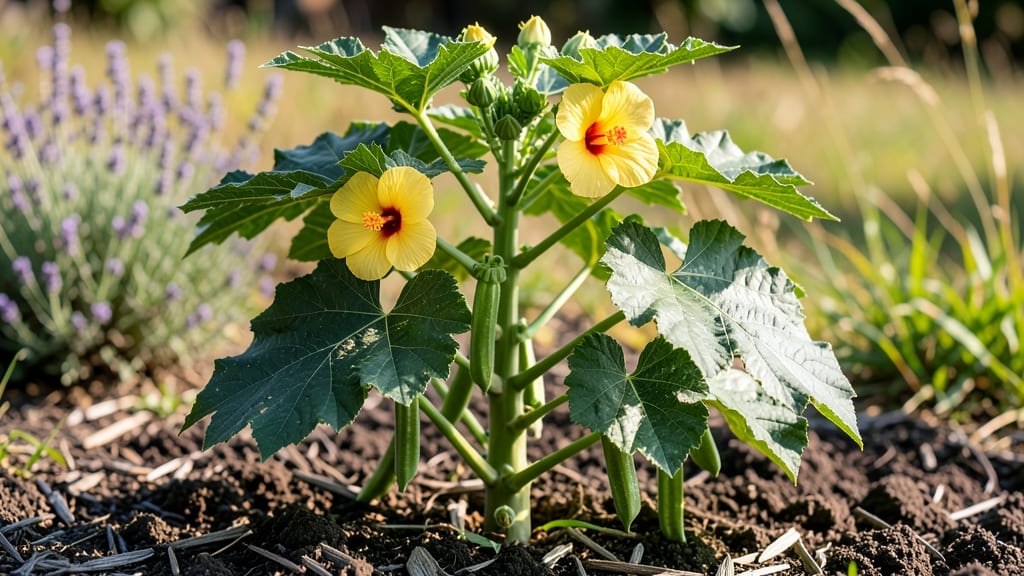
If you're wondering how tall okra plants grow, the answer might surprise you—some varieties shoot up like sky-scrapers while others stay neatly contained in pots. Knowing this isn't just about garden planning; it directly impacts your harvest and space management.
For most gardeners in USDA Zone 6a, okra typically reaches between 3 to 10 feet depending on the variety, with some dwarf types staying as short as 2 to 4 feet.
This means you could end up with towering plants that need trellising or compact bushes perfect for small spaces.
But here's the thing: height isn't just about the variety. Soil quality, sunlight exposure, and even your watering habits play a role in how much your 🌱 okra will stretch toward the sky. Let's break down what affects growth and how you can manage it for the best results.
Whether you're working with limited space or dreaming of a lush vertical garden, understanding these factors will help you grow okra that's both productive and perfectly sized for your needs. Let's get into the details.


Okra plant height by variety: from dwarf to towering giants
Okra plants are famous for their impressive vertical growth, but not all varieties reach the same heights. The mature height of your okra depends entirely on the variety you choose, with some dwarf types barely reaching waist height while others tower like small trees.
Understanding these differences helps you plan your garden layout, choose trellising options, and even decide whether to grow okra in containers.
For example, the Clemson Spineless variety is a garden classic that typically grows 6-10 feet tall—about the height of a standard basketball hoop. Meanwhile, Burgundy okra stays shorter at 4-6 feet, making it ideal for smaller spaces.
Even dwarf varieties like Emerald only reach 2-4 feet, perfect for container gardening or urban balconies.
| Variety | Mature Height | Spacing Needs | Growth Habit |
|---|---|---|---|
| Clemson Spineless | 6–10 ft | 3–4 ft apart | Tall, bushy, sprawling |
| Emerald | 2–4 ft | 1–2 ft apart | Compact, upright |
| Burgundy | 4–6 ft | 2–3 ft apart | Medium, bushy |
| Arkansas Little Leaf | 3–5 ft | 1.5–2 ft apart | Bushy, prolific |
| Jinong Green | 5–8 ft | 3 ft apart | Tall, vigorous |
🌱 Pro Tip: Dwarf varieties like Emerald thrive in 5-gallon containers, while tall types need deep soil and sturdy trellises.
If you’re growing okra in a small garden or urban space, prioritize dwarf or semi-dwarf varieties like Emerald or Arkansas Little Leaf. These stay under 5 feet tall and produce abundant pods without taking up much room.
For larger gardens or trellis setups, Clemson Spineless or Jinong Green deliver higher yields but require more space and support.
Remember, okra’s height also depends on growing conditions. Plants in full sun with rich soil and consistent watering will grow taller and produce more pods. In contrast, shady or nutrient-poor soil can stunt growth, keeping plants shorter than expected.
Always check your variety’s seed packet for specific height ranges and spacing guidelines.
For visual reference, imagine a 6-foot-tall okra plant reaching about the height of a standard door frame (6’8”). A 10-foot variety would surpass even a basketball hoop (10 feet). This helps when planning trellises or deciding whether to grow okra near your patio or fence line.
One common mistake is assuming all okra grows tall. Dwarf varieties are perfect for container gardening or small patios, while tall types need vertical support to prevent sprawling. Always match your variety to your space—your future harvest will thank you!
🌿
How to control okra height naturally: pruning and space-saving techniques
If your okra plants are reaching for the sky faster than you expected, don’t panic—there are simple ways to manage their height without sacrificing yield. Pruning and vertical gardening can help you tame even the tallest varieties like Clemson Spineless, which can grow up to 10 feet tall.
The key is timing and technique, so let’s dive into the best methods to keep your okra plants in check while maximizing your harvest.
First, understand that okra naturally grows tall to reach sunlight, but you can redirect that energy into producing more pods by pruning strategically. Start by removing any yellow or diseased leaves early in the season.
This improves airflow and reduces stress on the plant, allowing it to focus on growth rather than fighting off pests or diseases. For dwarf varieties like Emerald or Burgundy, pruning is less critical, but it can still help shape the plant and encourage bushier growth.
🚨 : step-list 🚨
Step-by-Step Guide to Pruning Okra for Controlled Growth
Wait until the plant is established: Begin pruning only after your okra has grown 3-4 feet tall and has at least 5-6 true leaves. This ensures the plant has enough energy to recover from pruning.
Remove suckers and side shoots: Look for small shoots growing from the leaf axils (where leaves meet the stem). These suckers compete with the main stem for nutrients. Snip them off with clean pruning shears to redirect energy to pod production.
Prune the top growth: Once your okra reaches your desired height (e.g., 5-6 feet for easier harvesting), pinch off the top 2-3 inches of the main stem. This encourages the plant to branch out and produce more pods at a manageable height.
Use trellises for vertical growth: Install a trellis or bamboo stake when planting to support tall varieties. Gently tie the main stem to the trellis as it grows. This not only saves space but also makes harvesting easier and reduces the risk of pods touching the ground and rotting.
Harvest regularly to encourage bushiness: Okra plants respond well to frequent harvesting. Pick pods when they’re 2-3 inches long to stimulate more growth. This practice naturally keeps the plant from growing too tall and ensures a steady supply of fresh pods.
For gardeners with limited space, consider growing okra in containers. Dwarf varieties like Emerald or Jumbo thrive in 5-gallon pots and can be kept under 4 feet tall with minimal pruning.
Just ensure the container has drainage holes and is placed in full sun. Add a balanced fertilizer every 4-6 weeks to support healthy growth without excessive height.
If you’re growing okra in a small garden or urban setting, combine pruning with vertical gardening techniques. Use a cattle panel trellis or a DIY bamboo teepee to guide the plant upward.
This method not only saves space but also makes it easier to monitor for pests like aphids or spider mites, which are more visible on upright plants. Plus, harvesting becomes a breeze when pods are within arm’s reach!
Remember, okra is a fast-growing plant, and its height can vary based on climate, soil quality, and care. If you notice your plants growing too quickly or leaning, it might be a sign of over-fertilization or poor sunlight.
Adjust your care routine accordingly, and don’t hesitate to prune aggressively if needed. With the right techniques, you can enjoy a bountiful harvest without your okra taking over your garden!