
Plants
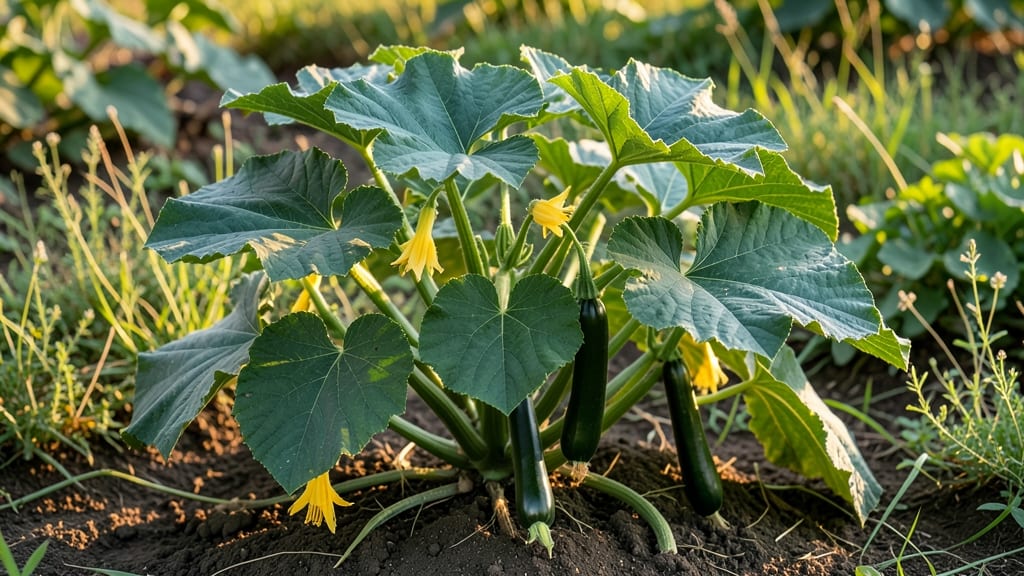
If you’ve ever wondered how tall your zucchini plants 🎃 could grow, you might be surprised to learn they can reach heights that rival your own—some even stretching toward the sky!
While most zucchini varieties top out between 2 and 4 feet, certain vining types can climb up to 6 feet or more, turning your garden into a jungle of green if left unchecked.
But here’s the catch: not all zucchini plants grow the same way. Bush varieties stay compact, making them perfect for small gardens or containers, while their vining cousins sprawl and climb, demanding more space.
Knowing the difference is the key to planning your garden layout and ensuring your zucchini thrives without taking over your yard.
Whether you’re dealing with a 1-foot dwarf or a towering 6-foot vine, understanding how to manage their growth can mean the difference between a tidy, productive garden and a chaotic mess.
I’ll break down the best varieties for your space, plus tips to control their height—so you can enjoy a bountiful harvest without the headache.
Ready to learn how to keep your zucchini plants happy and in check? Let’s dive into the heights, habits, and hacks that will transform your garden into a zucchini powerhouse—no matter how much (or little) space you’ve got!


Zucchini plant height by variety: bush vs vining types compared
Zucchini plants can grow surprisingly tall—some varieties reaching heights that rival your own! On average, most mature zucchini plants span 4 to 6 feet, but their growth habits vary dramatically between bush and vining types.
Understanding these differences helps you choose the perfect variety for your garden space and maximize your harvest without overcrowding.
Bush zucchini varieties, like Eight Ball or Patio Star, stay compact, typically growing 2 to 4 feet tall and wide. These are ideal for small gardens, containers, or urban spaces where vertical growth is limited.
Vining types, such as Black Beauty or Costata Romanesco, can sprawl 4 to 6 feet tall and spread 3 to 5 feet wide, making them better suited for larger plots or trellised setups.
Here’s how the two types compare in terms of height, space needs, and growth habits to help you decide which fits your garden best.
| Type | Height Range | Spread | Space Needs | Best For |
|---|---|---|---|---|
| Bush | 2-4 ft | 2-3 ft wide | Small gardens, containers, urban spaces | Compact areas, beginners, early harvests |
| Vining | 4-6 ft | 3-5 ft wide | Large plots, trellises, raised beds | High yields, vertical gardens, experienced growers |
*Height can vary based on pruning, sunlight, and soil quality.
If you’re working with limited space, bush varieties are your best bet—they mature faster and produce fruit closer to the ground, reducing the need for staking or trellising. For larger gardens, vining types offer bigger yields but require more room to sprawl or climb.
Pro tip: Even vining zucchini can be trained upward with a sturdy trellis, saving space and making harvests easier!
Sunlight and soil quality also play a role in height. Zucchini plants thrive in full sun (6-8 hours daily) and well-draining soil rich in organic matter. Without these, even bush varieties may grow leggy or produce fewer fruits.
I’ve found that adding a balanced fertilizer (10-10-10) every 4-6 weeks during the growing season helps my vining zucchini reach their full height potential without sacrificing fruit production.
Another factor to consider is your harvesting frequency. Bush varieties often produce fruit all at once, while vining types can offer a more staggered harvest over weeks. If you prefer fresh zucchini throughout the season, a mix of both types might be ideal.
For example, planting Eight Ball (bush) alongside Black Beauty (vining) gives you early and late-season harvests in the same space.
Don’t forget about pruning—even bush varieties benefit from occasional trimming to encourage bushier growth and larger fruits. Pinch off early flowers if your goal is to maximize plant size rather than immediate harvest. For vining types, prune side shoots to direct energy toward fewer, larger zucchini.
Lastly, consider your climate zone. In warmer regions (USDA zones 8-10), zucchini can grow even taller and produce longer into the season. In cooler zones (6-7), opt for early-maturing varieties or use black plastic mulch to extend the growing season and support taller growth.
Whether you’re a space-challenged urban gardener or a backyard enthusiast with plenty of room, choosing the right zucchini variety—and understanding its growth habits—is key to a bountiful harvest. Start with a mix of bush and vining types to see what works best in your garden! 🌱
Zucchini plant height by variety: bush vs vining types compared
When planning your garden layout, knowing how tall zucchini plants grow is crucial—especially since varieties fall into two main categories: bush types and vining types. Bush varieties stay compact, while vining types can sprawl dramatically.
For example, the popular Black Beauty zucchini reaches 4-6 feet tall with sprawling vines, while Eight Ball remains under 2 feet tall and bushy. Your garden's size and layout will dictate which type suits you best.
Bush zucchini varieties are ideal for small gardens or containers because their height stays under 3 feet and they don’t require trellising. These plants focus their energy on producing fruit rather than climbing, making them perfect for beginners or urban gardeners with limited space.
On the other hand, vining types can spread 6-10 feet wide, needing ample room or support structures to thrive.
Here’s how these two types compare in terms of height, space needs, and growth habits—so you can choose the right fit for your garden:
| Type | Height Range | Spread | Space Needs | Best For |
|---|---|---|---|---|
| Bush Zucchini | 1-3 ft | 2-4 ft wide | Compact, 2-3 ft apart | Containers, small gardens, beginners |
| Vining Zucchini | 4-6 ft tall | 6-10 ft wide | Sprawling, needs 3-5 ft apart or trellis | Large gardens, trellises, high yields |
If you’re growing zucchini in containers or raised beds, opt for bush varieties like Patio Star or Bush Baby, which top out at 2 feet tall. These varieties are bred to stay small, making them ideal for balconies or patios.
Vining types, however, like Gold Rush or Straight Eight, can climb 5-6 feet tall and need sturdy trellises or cages to support their weight.
Another key factor is sunlight exposure. Both bush and vining zucchini need 6-8 hours of full sun daily, but vining types may struggle in shaded areas due to their height.
If your garden has partial shade, bush varieties will perform better. For maximum yield, place vining types in the sunniest spot and train them vertically to save space.
Pro tip: If you love the idea of vining zucchini but lack space, try vertical gardening. Use a strong trellis or cage to guide the vines upward, reducing their footprint by up to 70%. Just ensure the structure can support 10-15 pounds per plant once fruiting begins.