
Plants
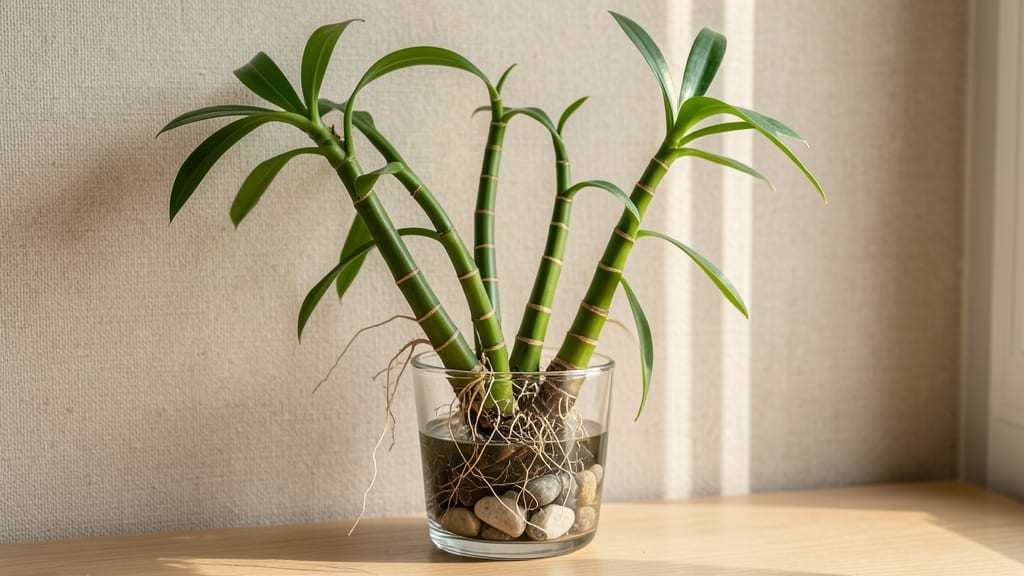
When you picture bamboo in your yard, do you imagine how tall a bamboo plant can grow—a lush, towering giant reaching for the sky—or a neatly trimmed hedge that stays put? The truth is, some varieties grow taller than a three-story building, while others remain compact enough for containers.
If you're wondering how tall bamboo can get, the answer depends entirely on the type you choose.
Running bamboo species like Phyllostachys bambusoides can shoot up to 100 feet or more, while clumping types stay between 10 and 20 feet. Even dwarf varieties like Bambusa multiplex top out at just 3 to 8 feet, making them perfect for small spaces.
The key difference? Growth habits and root behavior.
But here’s the catch: without proper controls, even a 10-foot plant can become a 60-foot monster in just a few years. Whether you’re dreaming of a privacy screen or worried about your bamboo taking over, understanding these growth patterns is the first step to managing it—before it manages you.
In this guide, I’ll break down exactly how tall bamboo can grow, which varieties reach for the clouds, and how to keep them in check—no matter how ambitious they get. Let’s dive in.


Bamboo growth heights: from dwarf to skyscraper varieties
Bamboo is one of nature’s most dramatic plants—some varieties stretch toward the clouds while others stay as compact as a shrub. The height difference between species can be staggering: from 3-foot dwarf bamboos perfect for patio pots to 100-foot timber giants that dwarf three-story buildings.
Understanding these extremes helps you choose the right variety for your space and climate.
At the heart of this variation lies two key traits: growth habit (clumping vs. running) and species genetics. Clumping bamboos like Fargesia grow in tight clusters, rarely exceeding 15 feet, while running bamboos such as Phyllostachys send out aggressive rhizomes and can reach 60-100 feet in ideal conditions.
Even within these categories, microclimate plays a role—tropical bamboos grow faster and taller than their temperate cousins.
Here’s the surprising truth: bamboo’s height potential isn’t just about species—it’s about environmental factors. A Bambusa multiplex (dwarf bamboo) might stay at 6 feet in a city garden but stretch to 10 feet in a humid subtropical climate.
Meanwhile, a Phyllostachys aureosulcata (yellow grove bamboo) could hit 40 feet in a warm USDA Zone 8 but only 25 feet in cooler Zone 6.
| Variety | Height Range | Growth Habit | Best For |
|---|---|---|---|
| Bambusa multiplex | 3–8 ft | Clumping | Containers, small yards |
| Fargesia robusta | 10–15 ft | Clumping | Privacy screens, woodland gardens |
| Phyllostachys bissetii | 20–40 ft | Running | Large landscapes, windbreaks |
| Dendrocalamus asper | 60–100+ ft | Running | Tropical regions, commercial timber |
| Bambusa vulgaris | 40–60 ft | Clumping/Running | Urban gardens, fast screening |
If you’re planning a bamboo windbreak, Phyllostachys species are your best bet—they can create an impenetrable green wall in just 3-5 years. For container gardening, Bambusa multiplex or Bambusa oldhamii (thunderhead bamboo) stay under 8 feet even in large pots.
The key is matching your yard size to the bamboo’s mature height, not its early growth spurt.
One common misconception is that all bamboo grows aggressively tall. In reality, 90% of ornamental bamboos sold in nurseries are clumping types that top out at 15 feet. Running bamboos—like the infamous Phyllostachys aureosulcata—are often sold as "dwarf" varieties but will still spread widely if not contained.
Always check the species label and ask about its rhizome type before planting.
For urban gardeners with limited space, Fargesia (dwarf bamboo) is a game-changer. Varieties like Fargesia nitida (fountain bamboo) reach only 5-6 feet but create lush, cascading foliage perfect for balconies or patios. Even in small pots, these bamboos thrive with mor
Bamboo growth heights: from dwarf to skyscraper varieties
Bamboo’s height potential is one of its most jaw-dropping traits—some varieties stretch toward the sky like natural skyscrapers, while others stay humble enough for a patio. The difference often comes down to two key factors: clumping vs. running growth habits and species-specific genetics.
Clumping bamboo, like Fargesia or Bambusa multiplex, rarely exceeds 10–20 feet, making them perfect for small gardens. Running bamboo, however, can shoot up to 60–100 feet in ideal conditions, turning your backyard into a jungle overnight.
Even within running types, growth varies wildly. Phyllostachys bambusoides, the giant timber bamboo, can reach 80–100 feet in tropical climates, while Dendrocalamus asper (a tropical giant) hits 100+ feet in its native Southeast Asia.
In temperate zones, expect 30–60 feet for hardy varieties like Phyllostachys aureosulcata. The secret? These giants thrive in warm, humid climates with rich, well-draining soil and full sun exposure.
| Variety | Height Range | Growth Habit | Best For |
|---|---|---|---|
| Dwarf Bamboo (Bambusa multiplex) | 3–8 ft | Clumping | Containers, small gardens |
| Fargesia robusta (Dragon Head) | 10–20 ft | Clumping | Shady gardens, privacy screens |
| Phyllostachys aureosulcata (Yellow Groove) | 20–40 ft | Running | Temperate climates, tall screens |
| Phyllostachys bambusoides (Timber Bamboo) | 60–100 ft | Running | Large estates, tropical zones |
| Dendrocalamus asper (Asper Bamboo) | 100+ ft | Running | Tropical forests, commercial uses |
If you’re wondering how quickly bamboo reaches these heights, the answer might shock you: up to 3 feet in a single day during peak growing seasons! This rapid growth is why bamboo is often called a renewable resource—it can regenerate faster than hardwood trees.
However, this speed also means height control is critical if you’re not planning a bamboo forest. For example, Phyllostachys nigra (black bamboo) grows 2–3 feet per year but stays under 30 feet without intervention.
For smaller spaces, dwarf bamboo varieties like Bambusa ventricosa (bumblebee bamboo) or Borinda fungosa (thunderhead bamboo) max out at 6–8 feet and spread slowly. These are ideal for containers or urban gardens where space is limited.
The key to choosing the right height? Match the species to your climate zone—tropical bamboos won’t survive frosts, while cold-hardy varieties like Phyllostachys vivax thrive in USDA Zones 5–9.
Don’t let the towering varieties fool you—even giant bamboo starts small. A 1-year-old bamboo plant might only be 1–3 feet tall, but by year 3, it can shoot up to 15–25 feet.
This exponential growth is why many gardeners opt for clumping types or install root barriers to contain running bamboo. Whether you want a privacy screen or a potted accent plant, there’s a bamboo height to fit your vision—just pick wisely!
Pro tip: If you’re unsure about a bamboo’s mature height, check the cultivar’s description or ask your local nursery. Many nursery-grown bamboos are pre-pruned to stay under 6–10 feet, so you might not see their full potential until they’re planted in the ground.
Planting depth matters too—burying rhizomes 2 inches deep encourages stronger root systems and faster vertical growth.