
Plants
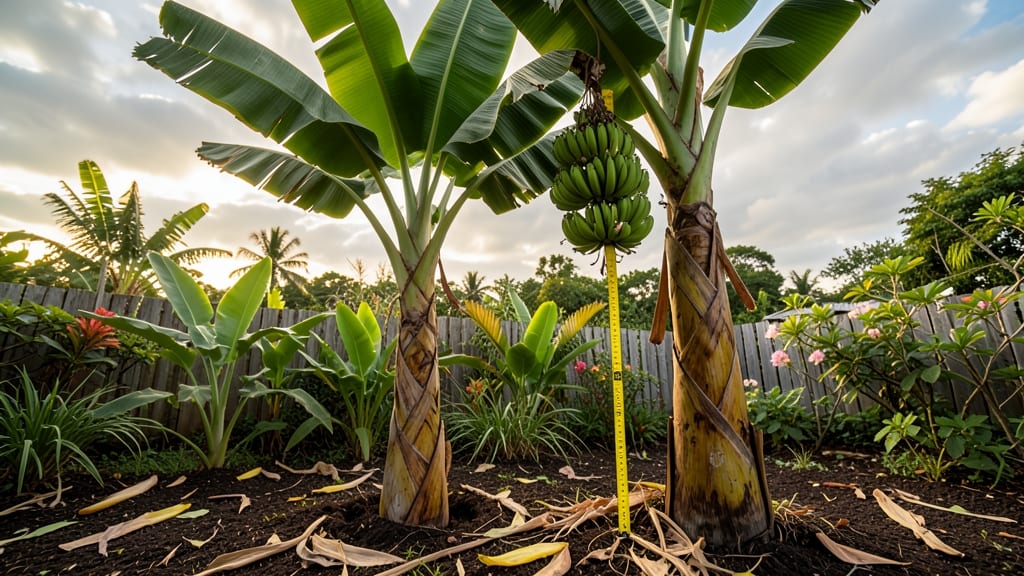
If you’ve ever dreamed of harvesting your own 🍌 banana plant, you might be surprised to learn that how tall does a banana plant grow—some varieties stretch taller than a two-story house, while others stay compact enough for a patio pot.
The height of a banana plant depends entirely on the variety, growing conditions, and a little bit of luck with your climate.
From the dwarf Cavendish, which tops out around 6 feet, to the towering Gros Michel reaching 25 feet or more, understanding these differences is key to planning your garden.
Whether you’re a city dweller with limited space or a rural gardener with acres to spare, knowing how tall your banana plant will grow helps you choose the right spot—and the right variety—for success.
Growing conditions play a huge role in height, too. Banana plants thrive in General (Tropical/Subtropical) climates like USDA Zones 10-12, but even in cooler zones, proper care can make a big difference.
Sunlight, water, and soil all influence how quickly—and how tall—a banana plant will grow, so let’s break down what you need to know to get the most out of your 🍌 banana plant.
Ready to find out which varieties fit your space and how to encourage healthy growth? We’ll cover everything from dwarf bananas for containers to giant varieties for large gardens, plus tips to keep your plant thriving no matter its size. Let’s get started!


Banana plant height by variety: from dwarf to giant species
Banana plants are famous for their impressive heights, but did you know their mature size can vary dramatically depending on the variety? The dwarf Cavendish might fit in your patio, while the Gros Michel could dwarf your two-story home.
Let’s break down the height ranges you can expect from popular banana varieties, so you can choose the perfect fit for your space.
First, it’s important to note that banana plants are not true trees—they’re giant herbs with a pseudostem made of tightly packed leaves. This unique structure allows them to grow rapidly in ideal conditions.
Most varieties reach their full height within 2-3 years, though some tropical giants can take longer to mature completely.
Here’s a quick overview of what to expect: dwarf varieties stay under 6 feet, small types reach 6-12 feet, medium varieties hit 12-18 feet, and giant species can soar to 20-25 feet or more.
Your choice of variety will determine whether you need a container garden or a spacious backyard.
| Variety | Mature Height | Growth Rate | Best For |
|---|---|---|---|
| Dwarf Cavendish | 3–6 ft | Fast (1–2 years) | Containers, small yards |
| Lady Finger (Red Dacca) | 6–12 ft | Moderate (2–3 years) | Ornamental, small orchards |
| Blue Java | 12–18 ft | Moderate (3–4 years) | Tropical gardens, large pots |
| Gros Michel | 18–25 ft | Slow (4–5 years) | Commercial farms, spacious yards |
| Ice Cream Banana (Musa acuminata) | 10–15 ft | Fast (1–2 years) | Edible fruit, ornamental |
If you’re dreaming of a tropical paradise in your backyard, the Blue Java or Ice Cream Banana are excellent choices. These varieties strike a balance between manageable height and dramatic foliage, making them perfect for ornamental gardens.
Their broad leaves can reach 2-3 feet wide, adding lushness even if the plant itself doesn’t tower over your home.
For urban gardeners or those with limited space, dwarf varieties like the Dwarf Cavendish are a game-changer. These plants thrive in large containers and can produce edible fruit just like their taller cousins.
I’ve grown them in 20-gallon pots on my patio, and they’ve rewarded me with harvests in under two years. Just be prepared for their pseudostem to expand as they mature!
On the other end of the spectrum, giant varieties like the Gros Michel are better suited for commercial farms or large estates. These plants can reach 25 feet or taller, with massive fruit bunches weighing over 100 pounds. If you’re considering one of these, plan for
How growing conditions affect banana tree height
Your banana plant’s final height isn’t just about its variety—it’s heavily influenced by your local growing conditions. In ideal tropical climates, a standard banana tree can shoot up to 25 feet in just 2-3 years, while cooler or drier conditions may stunt growth to 12-15 feet.
Understanding these factors helps you optimize your plant’s potential, whether you’re in USDA Zone 10 or a cooler subtropical area.
Sunlight is the #1 height determinant. Banana plants thrive with 6-8 hours of direct sun daily, but too much afternoon heat can stress leaves, slowing vertical growth. In hot climates like Florida or Hawaii, provide afternoon shade to protect delicate fronds.
Without enough light, your plant may stay under 10 feet tall, focusing energy on leaf production instead of stem elongation.
Soil fertility plays a critical role too. Banana trees are heavy feeders, requiring rich, well-draining soil with plenty of organic matter. In nutrient-poor soil, growth slows dramatically—expect 30-50% less height compared to plants in compost-amended beds.
Test your soil’s pH (ideal range: 5.5-7.0) and amend with compost or banana-specific fertilizer every 6-8 weeks during the growing season.
Watering habits directly impact height too. Banana trees need deep, frequent watering—especially in their first 2 years—to support rapid stem elongation. During summer, water every 2-3 days (1-2 gallons per plant), while winter watering can drop to weekly.
Underwatering triggers stress responses, diverting energy away from vertical growth. In containers, expect 20-30% shorter plants due to limited root space and faster soil drying.
Even the best-growing conditions won’t guarantee maximum height if your banana plant faces pests or diseases. Banana wilt (from Fusarium fungus) or aphid infestations can kill plants before they reach maturity.
Monitor for yellowing leaves or blackened pseudostems—early intervention with neem oil or fungicides can save your tree and its growth potential.
For gardeners in USDA Zones 9-11, winter care is key to maintaining height. Mulch heavily with straw or leaves to insulate roots, and avoid fertilizing during dormancy. With proper protection, your banana tree can regrow to full height the following spring.
In colder zones, consider dwarf varieties like ‘Dwarf Cavendish’, which tolerate shorter seasons better while still reaching 8-12 feet.