
Plants
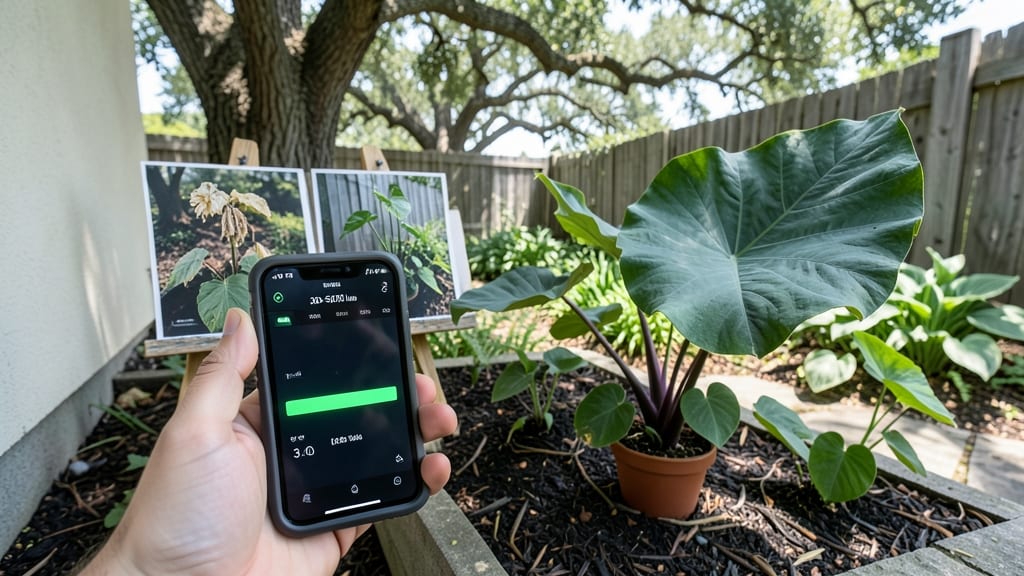
If you’re growing Elephant Ear 🌿 and wondering how much light does an elephant ear plant need, the answer likely lies in its light needs.
These tropical beauties thrive in bright but sheltered spots, where they get enough sunlight to fuel their dramatic foliage without risking scorched edges or faded colors.
Too much direct sun—especially harsh afternoon rays—can turn their lush leaves yellow or brown, while too little light makes them stretch awkwardly, losing their signature boldness. The key is finding that sweet spot: partial shade with morning sun exposure works best for most gardeners in USDA Zone 6a and beyond.
Whether you’re planting in your garden or keeping them indoors, understanding how to balance light will keep your Elephant Ear looking vibrant all season. I’ll break down exactly how much light they need, what to watch for, and how to adjust for different growing conditions.
Ready to give your plants the perfect light setup? Let’s dive into the details so you can enjoy those showstopping leaves year after year.
 Best Window Placement
Ideal sunlight requirements for elephant ear plants: bright indirect light explained
Elephant ear plants thrive in bright indirect light, mimicking their natural understory habitat in tropical forests. This means they need dappled sunlight or filtered light—think of it as morning sun with afternoon shade. Too much direct sun causes leaf scorch, while too little results in weak, pale foliage that loses its dramatic color.
For outdoor gardens, place your Colocasia near trees that provide partial shade (like maples or oaks) or under lattice structures with sheer fabric. In containers, position them where they’ll receive 4-6 hours of bright, indirect light daily, such as on a covered patio or beneath a south-facing overhang.
The key is balancing chlorophyll production and leaf sensitivity. These plants evolved to avoid harsh midday rays, so avoid west-facing spots where afternoon sun intensifies. Instead, prioritize east-facing locations or areas with reflective surfaces (like white walls) to bounce light gently onto leaves.
Indoor growers should place elephant ears within 3 feet of an east-facing window or use grow lights for 12-14 hours daily if natural light is insufficient. South-facing windows can work but may require sheer curtains to diffuse the light, especially during summer months when sun is strongest.
Seasonal adjustments are crucial. In spring and fall, when sunlight is softer, you can tolerate more direct light (up to 2-3 hours). But during peak summer, reduce exposure to morning sun only to prevent brown leaf tips or crispy edges. Mulch heavily around outdoor plants to regulate soil temperature and reduce stress.
Here’s how light intensity affects growth:
- Optimal (40% light): Vibrant foliage, rapid growth, glossy leaves.
- Too little (<30% light): Leggy stems, small leaves, pale color.
- Too much (>70% direct): Yellowing, brown patches, curled edges.
| Condition | Ideal Specification | Outdoor Placement |
|---|---|---|
| Light Type | Bright indirect (40%) | East-facing beds, under trees |
| Direct Sun Tolerance | Morning only (2-3 hrs max) | Patios with afternoon shade |
| Indoor Light Source | East window or grow lights | Rotate weekly for even growth |
| Seasonal Adjustment | More shade in summer | Use shade cloth (30-50%) |
If you’re in a hot, dry climate (like USDA Zone 9-11), prioritize afternoon shade to prevent heat stress. In cooler regions (Zones 4-7), they can handle more sunlight in summer, but still avoid harsh afternoon rays.
Always monitor your plant’s response—adjust placement if you notice leaf discoloration within 1-2 weeks.
Pro tip: Rotate containers every 3-4 days to ensure even light exposure. This prevents lopsided growth and keeps foliage symmetrical. For indoor plants, a slow-turning plant stand (like those for succulents) can automate this process while adding a decorative touch to your space.
Remember, elephant ears are tropical plants at heart—they’ll reward you with bold, glossy leaves when given the right light balance. Start with partial shade, observe their response, and tweak as needed. With the perfect light setup, your Colocasia will become the showstopper of your garden or indoor jungle.
Ideal sunlight requirements for elephant ear plants: bright indirect light explained
Elephant ear plants (Colocasia spp.) thrive in bright indirect light, which mimics their native tropical understory habitats. This means they need 4-6 hours of filtered sunlight daily, ideally from morning sun with afternoon shade protection.
Direct afternoon sun can scorch their delicate leaves, while deep shade leads to weak, pale foliage that lacks their signature boldness.
The key is morning sunlight exposure (6 AM–12 PM) paired with dappled shade in the afternoon. Think of them as sunbathers who avoid midday tanning—too much UV radiation stresses their leaves.
In tropical climates (USDA Zones 8–11), they tolerate partial shade all day, while cooler regions (Zones 6–7) benefit from 3–4 hours of morning sun to boost growth.
Here’s how to visualize their light needs: Imagine placing them near an east-facing window where they receive gentle morning rays but avoid the harsh afternoon glare. If outdoors, position them under light trees or near structures that cast afternoon shade.
Their leaves will thank you with deep green, glossy foliage that pops against other plants.
| Condition | Specification |
|---|---|
| Ideal Light Type | Bright indirect light (40% shade cloth equivalent) |
| Morning Sun | 3–4 hours (6 AM–10 AM) |
| Afternoon Shade | Full shade after 12 PM |
| Tropical Climates | Partial shade all day (20–50% shade) |
| Cooler Regions | Minimum 3 hours morning sun |
For indoor growers, east-facing windows are ideal because they provide gentle, diffused light without the intensity of south or west exposures. If your space only has south-facing windows, place the plant 6–10 feet back from the glass to filter the light.
In low-light conditions (e.g., north-facing rooms), supplement with a grow light (12–14 hours/day) to prevent leggy growth.
Seasonal adjustments are crucial: In summer, provide afternoon shade with sheer curtains or a lightweight shade cloth (30–50% density). In winter, move potted plants closer to south-facing windows to maximize weak winter sunlight.
Their leaves will stay vibrant and upright if you adapt their light exposure as the sun’s angle changes.
Pro tip: Rotate your elephant ear plant quarter-turns weekly to ensure even light exposure on all sides. This prevents lopsided growth and keeps those showstopping leaves symmetrical. When in doubt, observe your plant’s leaves—they’ll tell you exactly what they need!