
Plants
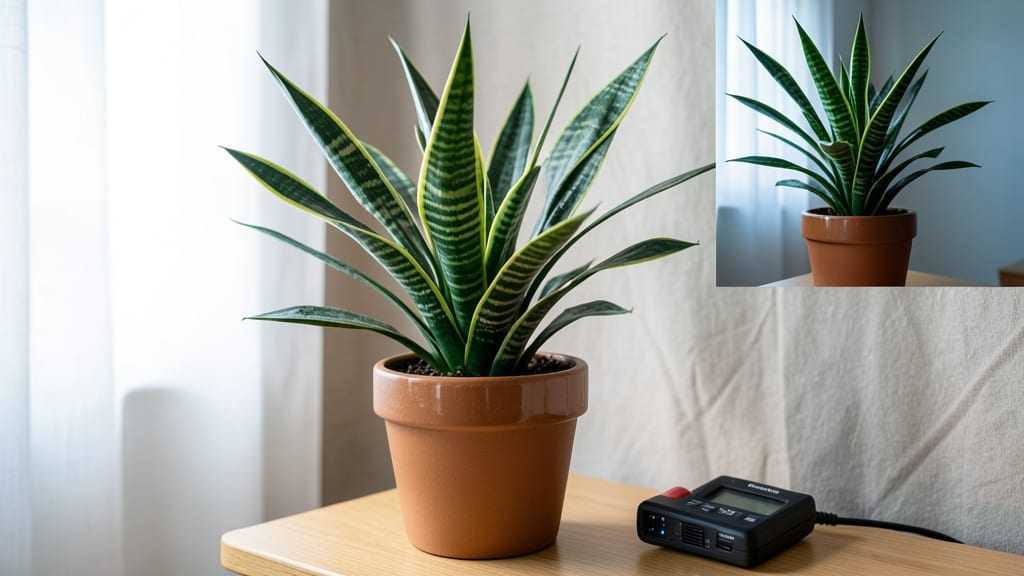
If you're wondering how much light does a rattlesnake plant need, the answer is critical—this tropical beauty thrives only in the right conditions.
Too much sun burns its delicate leaves, while too little dulls its stunning patterns, yet most people don’t realize how picky Calathea orbifolia is about its lighting.
For a healthy rattlesnake plant, aim for 4-6 hours of bright, indirect sunlight daily. This means placing it near an east or north-facing window where morning light gently filters through, avoiding harsh afternoon rays. The key is consistency—just like us, this plant needs the right balance to stay vibrant.
Watch for telltale signs like yellowing leaves or brown edges, which often mean your plant is either starving for light or getting sunburned. I’ll show you how to spot these issues early and adjust your care routine so your rattlesnake plant doesn’t just survive—it flourishes.
Whether you’re dealing with a dim corner or a sun-soaked room, I’ve got practical tips to help you create the perfect lighting setup. Let’s get your rattlesnake plant looking its best in no time!
 Best Window Placement
Optimal light requirements for rattlesnake plants: the 4-6 hour rule
The rattlesnake plant (Calathea orbifolia) thrives in bright, indirect light—think of it as the Goldilocks of houseplants. Too little light, and its stunning striped leaves lose their vibrancy. Too much direct sun, and you’ll see scorched brown patches within days.
The sweet spot? 4-6 hours of filtered light daily, similar to the dappled shade of a forest understory.
For indoor growers, position your rattlesnake plant near an east-facing window (gentle morning sun) or a north-facing window (no harsh rays). West-facing windows can work, but only if you place the plant 6+ feet away to diffuse the intense afternoon sun.
South-facing windows? Avoid them entirely—direct sunlight will fry your plant’s delicate foliage.
Outdoor enthusiasts can enjoy rattlesnake plants in partial shade gardens, especially in USDA zones 10-12. Here, they’ll appreciate morning sun and afternoon shade, mimicking their natural tropical habitat. In cooler climates, bring them indoors before temperatures drop below 60°F—they’re not frost-hardy!
Seasonal adjustments matter too. During winter’s shorter days, supplement with a grow light if leaves start yellowing. In summer’s long days, watch for sunburn signs (crispy edges) and move your plant deeper into shade. A simple trick? Rotate the pot quarter-turns weekly to ensure even growth.
| Condition | Specification | Notes |
|---|---|---|
| Indoor Light | 4-6 hours bright indirect | East/North windows ideal |
| Outdoor Light | Morning sun + afternoon shade | Zones 10-12 only |
| Grow Light | 12-14 hours daily (winter) | LED 6500K color temp |
| Distance from Window | 2-3 feet (East/North) | 6+ feet (West/South) |
Pro tip: Use a sheer curtain to filter harsh light if your rattlesnake plant sits near a window. I’ve seen white lace curtains work wonders for diffusing sunlight without blocking airflow. Avoid dark curtains—they’ll trap heat and stress your plant.
If you’re unsure about your space’s light levels, try this test: Hold a white sheet of paper near your plant’s spot. If the paper shows clear shadows (like a sunny day), move your plant farther back.
If shadows are faint (like a cloudy day), it’s likely safe. This simple trick saves countless brown leaf tips!
Remember, rattlesnake plants are tropical understory dwellers, so they crave consistency. Sudden light changes—like moving from a dim office to a bright living room—can cause leaf curling. Transition plants gradually over 7-10 days to avoid shock.
For outdoor containers, place your rattlesnake plant under dappled shade trees (like oak or maple) where sunlight filters through leaves. Pair it with hostas or ferns for a low-light garden buddy that shares similar care needs. Their combined foliage creates a microclimate with perfect humidity levels.
Lastly, monitor your plant’s growth direction. If fronds lean toward the light, it’s stretching for more—time to rotate the pot or move it to a brighter (but still indirect) spot.
A well-lit rattlesnake plant grows compact and bushy, while an underlit one becomes leggy and sparse. The difference is night and day!
Optimal light requirements for rattlesnake plants: the 4-6 hour rule
Your rattlesnake plant (Calathea orbifolia) thrives in bright, indirect sunlight—think dappled shade under a canopy or morning sun with afternoon shade. The 4-6 hour rule means it needs consistent light for this duration daily, but never harsh direct rays.
This mimics its natural habitat in tropical understory, where sunlight filters through taller trees.
Position your plant 2-3 feet from an east-facing window for gentle morning light. West-facing windows work too, but use a sheer curtain to diffuse the late-afternoon sun. North-facing windows provide softer light but may require supplemental lighting during winter months when daylight shortens.
Outdoor growers should place rattlesnake plants in partial shade gardens, where they receive morning sun and afternoon shade from structures or taller plants. Avoid full sun—even 2 hours of direct sunlight can cause leaf bleaching or crispy brown edges.
🌿 Rattlesnake Plant Light Requirements Summary
| Condition | Specification |
|---|---|
| Light Type | Bright, indirect sunlight |
| Daily Duration | 4-6 hours |
| Best Windows | East or North-facing |
| Distance from Window | 2-3 feet |
| Outdoor Placement | Partial shade (morning sun) |
| Avoid | Direct midday sun, south windows |
Seasonal adjustments are key. During summer months, your rattlesnake plant may need protection from even gentle afternoon sun. Rotate the pot quarter-turn weekly to ensure even light exposure and prevent lopsided growth. In winter, supplement with a grow light if natural light drops below 4 hours daily.
Test your plant’s light conditions by observing its leaves. If the patterns fade or fronds droop slightly, it’s signaling low light. Conversely, yellowing or crispy edges mean too much direct sun. Adjust placement immediately to prevent permanent damage.
Pro tip: Use a light meter app to measure foot-candles in your plant’s spot. Aim for 500-1,000 foot-candles—this range mimics ideal tropical conditions without risking sunburn.