
Plants
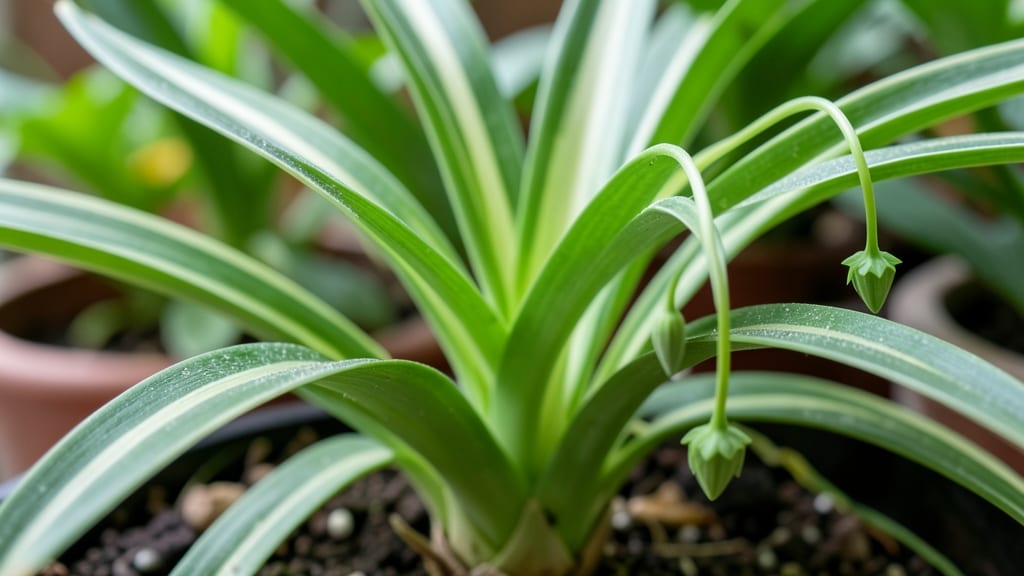
If you’re wondering how much light does a Spider Plant need? to look its best—leggy, brown-tipped, or just not growing—you might be getting it all wrong.
The truth is, these resilient plants thrive with just 3 to 4 hours of bright, indirect sunlight daily, making them perfect for busy homes where direct sun is a no-go.
Most people overcomplicate it, thinking their Spider Plant needs constant light, but that’s a fast track to crispy leaves. The key is finding that sweet spot where it gets enough glow to stay happy without frying in harsh rays.
I’ll show you exactly where to place yours—whether you’ve got a dim corner or a sunlit kitchen—and how to spot when it’s begging for a light adjustment.
What’s wild is how adaptable these plants are. A little too much sun? No problem—move it back. Too little? Rotate it or add a grow light.
We’ll cover all the signs your Spider Plant is either starving for light or getting sunburned, plus easy fixes to keep those variegated stripes popping year-round.
Ready to turn your Spider Plant from "meh" to "wow"? Let’s dive into the simple secrets that’ll have it flourishing in your space—no green thumb required.
 Best Window Placement
Optimal light requirements for spider plants: the 3-4 hour rule explained
Your spider plant thrives on bright indirect sunlight, but understanding the exact exposure it needs can feel tricky. The golden rule? 3 to 4 hours of gentle, filtered light daily. This mimics its natural habitat under the dappled shade of trees in tropical regions.
Too little light, and it stretches toward the sun; too much, and it burns. Let’s decode the perfect balance for your Chlorophytum comosum.
First, identify your home’s light intensity levels. A north-facing window offers soft, consistent light—ideal for spider plants. An east-facing window provides morning sun, perfect for 3-4 hours of exposure.
West-facing windows can be too intense, especially in afternoons, while south-facing windows often deliver harsh direct sunlight, which should be avoided. If your plant is near a window, check for shadows cast by nearby objects—these can create the perfect indirect light environment.
| Light Condition | Daily Exposure | Ideal Window | Signs of Stress |
|---|---|---|---|
| Low Light | Less than 2 hours | North-facing | Leggy growth, pale leaves |
| Bright Indirect | 3-4 hours | East/West-facing | Healthy green leaves, compact growth |
| Direct Sunlight | More than 4 hours | South-facing | Brown tips, crispy edges |
Artificial light can be a lifesaver if natural light is scarce. A LED grow light placed 6-12 inches above your plant for 12-14 hours daily mimics sunlight effectively. Fluorescent bulbs work too, but opt for cool white or full-spectrum options.
Position the light so it’s not directly overhead—angle it to simulate the dappled shade your spider plant loves. For offices or bathrooms, a simple clip-on grow light near the window can boost light levels without overwhelming the plant.
Seasonal adjustments are key. In summer, when sunlight is intense, move your spider plant further from the window or use a sheer curtain to diffuse light. In winter, when days are shorter, supplement with artificial light or rotate the pot quarter-turns weekly to ensure even growth.
This prevents one side from becoming leggy or pale while the other stays compact.
Watch for subtle clues your plant is struggling. Brown tips often signal too much direct sun or dry air, while yellowing leaves may indicate low light or overwatering. Leggy growth with sparse foliage is a cry for more light, whereas dark green leaves with no variegation mean it’s thriving in bright indirect conditions.
Adjust accordingly—your spider plant will thank you with lush, vibrant growth.
Pro tip: If your plant is near a west-facing window, test its tolerance by placing it 3 feet away for a week. If the leaves stay green and firm, gradually move it closer.
If you spot white or brown patches, it’s getting too much sun—relocate immediately to prevent permanent damage. Patience and observation are your best tools!
Remember, spider plants are adaptable. While they prefer bright indirect light, they can survive in lower light, though growth may slow. The goal is to strike a balance where your plant feels comfortable and vibrant, not stressed.
With the right light, your spider plant will reward you with long, arching leaves and adorable spiderettes year-round.
🌱
How to adjust light for spider plants in different home setups
Adjusting your spider plant’s light exposure depends entirely on your home’s layout. If you’re in a low-light apartment, don’t panic—these plants are famously adaptable. Start by placing your spider plant 2-3 feet from an east-facing window, where morning sun is gentle.
For offices with fluorescent lighting, position it 6-12 inches away—this mimics natural light well enough for healthy growth.
In high-sun rooms, like south-facing windows, use sheer curtains to diffuse harsh rays. If your plant starts showing brown tips, it’s getting too much direct sunlight. Rotate the pot quarter-turns weekly to ensure even light exposure, preventing lopsided growth.
Even a kitchen counter near a window works—just avoid placing it directly under skylights or glass doors.
🌱
If your home lacks natural light, grow lights are a game-changer. A simple LED bulb (like a 10,000K daylight spectrum) placed 6-12 inches above your plant for 12-14 hours daily mimics sunlight perfectly.
Just avoid keeping it on 24/7—spider plants need 8 hours of darkness to rest. For bathrooms or hallways, a small clip-on grow light works wonders, especially if you’re propagating spiderettes.
Pro tip: Test your light setup by observing your plant’s leaves. If they’re dark green and upright, you’ve nailed the balance. If they’re pale or stretching, it’s time to adjust.
Even a bright living room with indirect light can work—just avoid placing it near air conditioning vents or heaters, which dry out the air and stress the plant.
🪴