
Plants
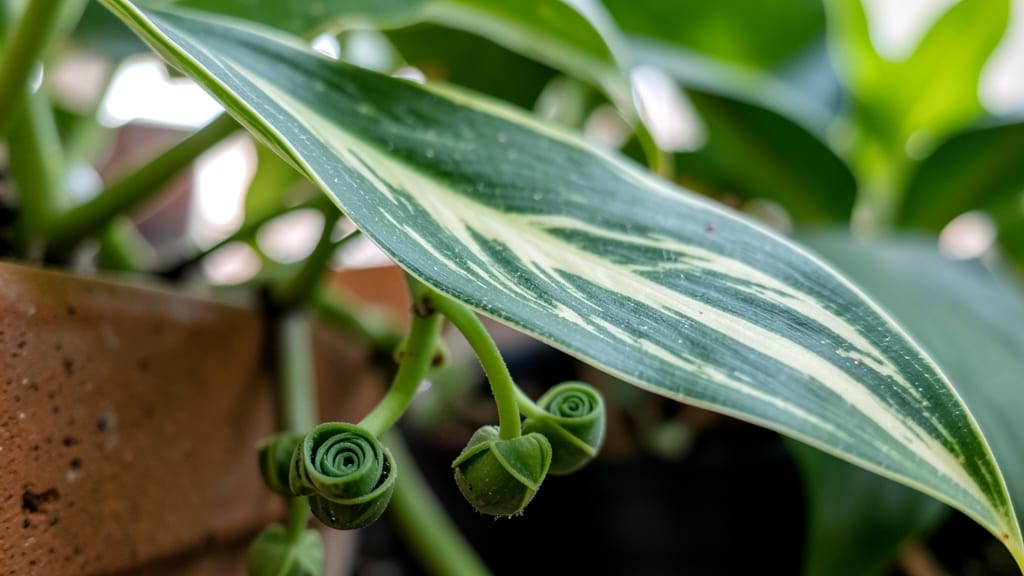
If your 🕷️ Spider Plant is stretching toward the window like it’s reaching for a high-five, you’re probably dealing with a light problem—but how much light does a spider plant need indoors?
These hardy plants thrive with just 4-6 hours of bright, indirect sunlight daily—but too little causes leggy growth, while too much burns those pretty variegated stripes.
I’ve seen firsthand how a simple window adjustment can transform a sad, sparse Spider Plant into a bushy, happy houseplant. The key? Understanding the subtle differences between east-facing morning light and harsh afternoon sun—and how your home’s windows filter it all.
Don’t worry if your space lacks natural light—we’ll cover smart workarounds like grow lights and reflective surfaces. Whether you’re dealing with yellowing leaves or stems that won’t stop stretching, this guide will help you dial in the perfect light conditions for lush, vibrant growth.
Let’s cut through the guesswork and get your Spider Plant the ideal lighting it deserves—no green thumb required.
 Best Window Placement
Ideal light requirements for spider plants: the 4-6 hour rule explained
Spider plants thrive on 4 to 6 hours of bright, indirect sunlight daily. This filtered light mimics their natural understory habitat, preventing leaf burn while encouraging lush growth. Direct midday sun acts like a microwave for leaves, causing crispy brown edges within hours.
Think of your spider plant's ideal spot as morning sunlight with afternoon shade. East-facing windows provide perfect gentle morning rays, while north-facing windows offer consistent indirect light all day. South or west windows require sheer curtains or distance to prevent overheating.
Seasonal adjustments matter too. During winter months, when sunlight is weaker, your plant may need supplemental light to maintain its 4-6 hour target. In summer, rotate your plant quarter-turns weekly to ensure even light exposure and prevent lopsided growth.
Window type dramatically affects light quality. East-facing windows provide soft morning sunlight perfect for spider plants, while west-facing windows deliver intense afternoon rays that can bleach leaves.
Test your window's light intensity by holding a white piece of paper near your plant—if you can easily read text, the light is too strong.
For apartment dwellers with limited windows, prioritize north-facing exposure or rotating plants between available light sources. Even bathrooms with small windows can work if you supplement with a 10-watt LED grow bulb for 2-3 hours daily.
Pro tip: Observe your plant's leaf color changes as your best indicator. Deep green leaves with white striped patterns signal perfect light, while yellowing or browning tips reveal the need for adjustment. Your spider plant will tell you exactly what it needs through its foliage.
Remember that light quality matters more than quantity. A spider plant prefers diffused sunlight over harsh direct rays. Position it 3-5 feet from a west window with a sheer curtain, or 1-2 feet from an east window without any barriers for optimal results.
If your home lacks natural light, LED grow lights are your best friend. A cool white LED bulb placed 12-18 inches above your plant for 6-8 hours daily mimics perfect growing conditions. Just avoid heat-emitting bulbs that can scorch delicate foliage.
Finally, seasonal light changes require attention. During winter's shorter days, extend light exposure by moving your plant closer to the brightest window or using a timer-controlled grow light for consistent 4-6 hour daily exposure.
Ideal light requirements for spider plants: the 4-6 hour rule explained
Spider plants thrive in bright indirect light, making them perfect for most indoor spaces. The 4-6 hour rule means they need 4 to 6 hours of filtered sunlight daily, but direct midday sun can burn their delicate leaves.
East-facing windows provide gentle morning light, while north-facing windows offer consistent, soft illumination year-round.
West-facing windows can be too intense, especially in summer, so place your spider plant 2-3 feet away to diffuse harsh rays. South-facing windows may require sheer curtains to mimic the bright indirect light they prefer. Overcast days? No problem—these plants adapt well to lower light conditions without losing their vibrancy.
| Light Condition | Hours Needed | Best Window Placement | Signs of Success |
|---|---|---|---|
| Bright Indirect | 4-6 hours | East or North | Deep green leaves, compact growth |
| Low Light | 2-4 hours | Away from windows | Leggy growth, pale leaves |
| Direct Sun | >6 hours | South or West | Brown leaf tips, crispy edges |
Seasonal adjustments matter too! During winter months, when sunlight is weaker, supplement with a grow light for 6-8 hours daily if natural light drops below 4 hours. In summer, watch for leaf burn near south- or west-facing windows—move your plant back if edges turn brown.
Pro tip: Rotate your spider plant quarter-turns every 2 weeks to ensure even light exposure. This prevents one-sided growth and keeps foliage lush and symmetrical. A well-lit spider plant will reward you with arching green leaves and those iconic puppy-like offspring!
If your home lacks natural light, don’t despair—LED grow lights (10,000-15,000K color temp) can mimic sunlight perfectly. Place the light 6-12 inches above the plant for 12-14 hours daily. With the right light balance, your spider plant will stay happy and healthy year-round.
Remember: Bright indirect light is the goldilocks zone—neither too harsh nor too dim. Master this, and your spider plant will thrive like a pro! 🌿